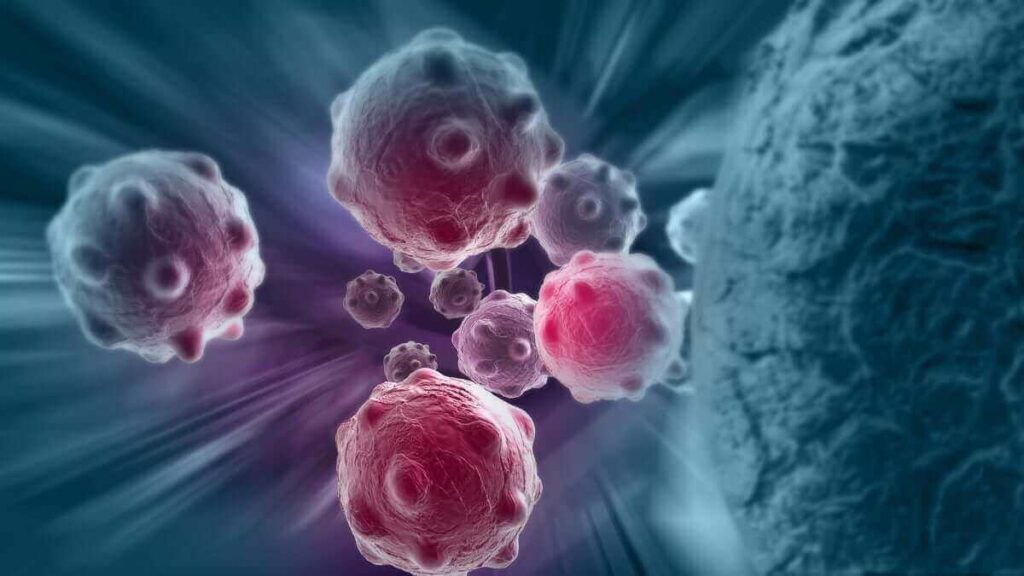
A high magnification micrograph of cryptitis in a case of Crohn’s disease.


Article published at www.nocamels.com on May 2, 2021.


Israeli biotech company CytoReason, the developer of a computational model of the human body for faster drug discovery and development, announced a new collaboration this month with Swiss biopharmaceutical company Ferring Pharmaceuticals to establish new treatment options for patients with inflammatory bowel disease (IBD). Based in Saint-Prex, Ferring specializes in areas such as reproductive health, maternal health, gastroenterology and urology.

IBD is a chronic disease that affects the digestive system and includes Crohn’s disease and ulcerative colitis. Symptoms include abdominal pain, rectal bleeding, fatigue, and weight loss. Bouts can last for days, weeks, or sometimes months at a time.

CytoReason said in a statement that it intends to present insights on the top drug targets to provide new therapeutic options for IBD patients.

Founded in 2016 by scientists and researchers from the Technion and Stanford, CytoReason built what it has called the world’s first machine learning platform that can quantify a person’s immune system at a cellular level to better understand disease responses and treatments, and facilitate the discovery and development of more effective drugs. The simulations are applicable to cancer immunotherapy, and autoimmune, neurodegenerative and infectious disease research.

ā€œIf you look at the human body, everyone is made up of the same organs,ā€ CytoReason co-founder and CEO David Harel told NoCamels in 2019. ā€œAnd every organ is made up of the same tissue. And every tissue is made up of the same cells, which are then made up of the same proteins, which are influenced by genes. Of course, the types of cells and the proportions differ and change, but in principle, it’s all the same. What we are doing at CytoReason is trying to build a computational model of human tissue, to then support clinical trials of new pharmaceuticals. That is huge!

CytoReason says its computational model of the human body simulates human disease on a cellular level, minimizes the need for animal trials, and makes human trials more focused and accurate over time. With its proprietary database and AI-led platform, pharmaceutical and biotech companies can make data-driven decisions in a fraction of the time and cost, the company indicated.

ā€œWe are very excited to be working with the talented team at Ferring,ā€ said Harel in a company statement .ā€Their expertise in gastroenterology, immunology and translational medicine will allow us to better understand the complex nature of IBD, and in turn, to create more accurate models of the disease with our AI technology. Our platform will enable Ferring to significantly shorten drug discovery time for IBD medication, dramatically reduce the costs involved, and ultimately help more patients who suffer from the chronic disease.ā€

CytoReason is already working with some of the world’s top 10 pharmaceutical companies including US-based multinational Pfizer, British multinational GlaxoSmithKline (gsk), and Roche, another Swiss multinational.

Science is promising us steak that’s heart-healthy, eco-friendly, and still decadent. But will we eat filet mignon from a bioreactor?


Article published at www.townandcountrymag.com on May 2, 2021.


On the third floor of a modern marble and glass building half an hour from Tel Aviv and around the corner from the Weizmann Institute of Science, Israel’s leading research institute, Neta Lavon snaps on a pair of blue latex gloves and opens an incubator. She removes a plate of six circular dishes covered with clear plastic, each containing a clear solution of vitamins, minerals, amino acids, and all the other compounds that the cells she is working with need to grow. Lavon, 49, a biology PhD who earlier managed the human embryonic stem cell lab at Cedars-Sinai Research Center in Los Angeles, takes a seat on a rolling chair before a large box about nine feet tall, six feet wide, and two feet deep. The box has a plastic screen like the ones we have grown accustomed to seeing at banks and checkout lines; here, it covers a shelf holding vials, pipettes, and other paraphernalia of scientific labs the world over.

ā€œWhen I want to give the cells fresh nutrients, I take out the used growth medium and replace it with fresh,ā€ Lavon says. The box, called a biological safety cabinet, washes the shelf with filtered air so she can slip her hands through an opening in the screen and uncover the dishes without contaminating them with the tens of millions of microbes that float around us every minute of every day. She exchanges the growth medium before moving the re-covered plate to a microscope, where she can check on the cells’ progress.

A computer screen shows what’s under the lenses: dozens of gray-white cells, roughly triangular in shape, with black nuclei, in a gray solution. ā€œEvery 24 hours they duplicate themselves until they fill the whole surface,ā€ Lavon says. ā€œThen we harvest the cells—that’s the terminology we use—and expand them.ā€

Once enough cells have developed, they’re placed in a bioreactor, a vessel for carrying out a biological process similar to devices the pharmaceutical industry uses to manufacture vaccines. The one in Lavon’s lab, a chrome-plated cylinder about a foot tall with tubes sticking out of it, looks like a blender on life support. A motor on top mixes the cells so they replicate in suspension.

ā€œIn our pilot plant we are going to have vessels that are 1,000 or more times bigger than this one,ā€ says Lavon. ā€œThey can grow into a big mass of cells that then we can make into the meat.ā€

Wait, what? Meat?

The New Butcher Case

Lavon is vice president of research and development at Aleph Farms, which in 2018 produced the first steak without the use—or, many say, abuse—of a living, breathing animal. That was a thin-cut steak—not exactly a hallmark of chefs or backyard grillmasters—but it was merely a stepping stone to Aleph’s announcement in February that it had developed a ribeye, considered by many the finest cut of beef.

Aleph is one among an expanding field of companies racing to bring to market what they would rather not be called ā€œlab-grown meatā€ (they prefer ā€œcultivatedā€ or ā€œslaughter-freeā€). Though the technology did not exist even just a few years ago, today at least 33 startups in 12 countries are producing a variety of meats—from dog food to foie gras, pork to duck, chicken nuggets to beef patties. Some are promising cultivated meat in stores next year.

33 companies currently grow meat in labs—from dog food to foie gras, pork to duck, chicken nuggets to hamburger patties.

Investment is also growing rapidly: At the end of 2019 companies had raised $166 million; early in 2020 Berkeley, California’s Memphis Meats took in $161 million on its own. (Aleph has raised $14 million from Big Food heavyweight Cargill, the Israeli Innovation Authority, and others.) Together they will be rushing into a space that environmentalists, the health-conscious, and promoters of wellness have cultivated carefully. Vegetarianism is growing, from 1 percent of the U.S. population to 6 percent in recent years, as is the ā€œflexitarianā€ diet.

Animal welfare is one reason many choose vegetarianism or veganism. Others aren’t ready to take that step, but, as you’ve no doubt noticed if you’ve ever set foot inside a Whole Foods, they are willing to pay more for beef that is grass-fed—meaning no ā€œfinishingā€ on corn in concentrated animal feedlot operations, where close confinement provides a less than ideal lifestyle for the residents—or for eggs and chicken that are free-range, even though no regulatory standard exists for such terms.

Aleph Farms co-founder Didier Toubia holds a plate with a Aleph Farms co-founder Didier Toubia holds a plate with a “traditionally” grown steak in one hand and petri dish containing cow cells in the other. PICTURE ALLIANCE

Restaurateurs have noticed these trends. ā€œThere is no doubt that diners are increasingly interested in nonmeat offerings,ā€ says Dan Kluger, owner of Loring Place, in Greenwich Village, and veteran of some of the country’s most lauded kitchens. ā€œThey have concerns about the environmentalā€¦ā€ he trails off. ā€œBut protein grown in labs? I’ve just been trying to get people to eat more vegetables.ā€

Bill Gates, who along with Richard Branson, Cargill, and Tyson Foods was an investor in Memphis Meats’ series B round of investment, told MIT Technology Review in February that to ā€œavoid climate disaster,ā€ rich countries like the U.S. ā€œshould move to 100 percent synthetic beefā€ (which would be good for Memphis Meats, and hence good for Bill Gates). That seems unlikely, given the more than 10,000 years of raising livestock ingrained in our civilization, but cultivated meat will find a niche because the march of science has not been good for cattle producers.

ILLUSTRATION BY JOE DARROW

The first studies on the effects of cholesterol, of which there is a copious amount in beef, were published in the 1940s; by 1964 medical journals were replete with warnings, such as the one in Angiology that year that told of ā€œconsiderable indications for the supposition that the risk for the development of coronary disease is enhanced by hypercholesterolemia [high cholesterol].ā€ The American Heart Association today recommends no more than 13 grams of saturated fat per day for people watching their cholesterol intake; a single McDonald’s Quarter Pounder with Cheese contains 12.

At the same time, researchers have been painting an increasingly bleak picture of the effects on the global climate of producing meat in the conventional (whoops, Aleph prefers ā€œtraditionalā€) way. Livestock for beef and milk production are responsible for about 10 percent of humanity’s greenhouse gas emissions—more than two-thirds the amount produced by the transport sector. The environmental effects of raising cattle can be both direct (methane released as part of the digestive process is the second-most abundant anthropogenic greenhouse gas, after carbon dioxide, and 25 times as effective as CO2 at trapping heat) and indirect (nitrogen fertilizer that grows corn that is fed to cattle spills into waterways and flows into oceans, where the nitrogen crowds out oxygen molecules that fish need to survive. Eating beef, apparently, impedes our ability to eat fish).

And we’re going to need a lot more of both. The world’s population is expected to reach 9.8 billion by 2050, a 30 percent increase in as many years. ā€œI don’t think we can keep producing and eating animals in this manner much longer,ā€ says Daan Luining, founder and chief technology officer of Meatable, a cultivated meat startup in the Netherlands. ā€œWe’re going for big impact—which is what’s needed in terms of climate change, antibiotic resistance, animal welfare.ā€

In early 2020 Memphis Meats, just one of more than 30 international companies developing ā€œcultivatedā€ raised $161 million from investors.

Luining, Lavon, and their competitors hope to produce meat much more efficiently and, in the process, reap environmental benefits. The Good Food Institute, a Washington, DC–based nonprofit that advocates for a food system that’s ā€œbetter for the planet, people, and animals,ā€ claims that cultured beef will use 95 percent less land than livestock and cut climate change emissions and nutrient pollution from beef production by three-quarters and by 94 percent, respectively.

The coronavirus pandemic has brought into stark relief one more argument for advancing technology to supply our hunger for meat. The virus that causes Covid-19 is widely believed to have evolved from one that circulated for years in another mammal. As the virus replicated, mutations developed that enabled it to infect and sicken humans. Thanks to our palates, Americans don’t generally eat bats, the animals most widely suspected of harboring SARS-CoV-2’s precursor, but two other potentially fatal viruses, the influenza strains H1N1 and H5N1, have come from poultry and livestock in recent years—suggesting that more are on the way.

And if pandemics aren’t enough to convince people, maybe antibiotic resistance is. Cattle producers discovered some time ago that giving their animals antibiotics to head off any possibility of bacterial infection also causes even healthy cattle to grow faster. Today meat producers in the U.S. are the largest purchasers of antibiotics—more than the healthcare industry. Overuse of antibiotics has accelerated the evolution of bacteria that can resist them, and now around 700,000 people all around the world die every year from what should be treatable infections.

Grill Marks

In March, Aleph’s in-house chef, Amir Ilan, gave me a video cooking demonstration with one of the company’s thin-cut steaks. Dressed in an apron and standing in his kitchen in Israel, he heated a cast iron pan on a black electric range while Ā­sautĆ©ing shiitake mushrooms and snow peas in garlic-infused oil in another pan.

He held up to the camera a white plate that held a square piece of meat. It had less red tint and more brown overtones than a typical slab of raw flesh, but it looked steaklike nonetheless. He sprinkled it with salt and pepper and then poured some oil into the pan and waited for it to start smoking.

6% of the U.S. population now identifies as vegetarian, an increase from 1 percent just in the past few years.

At the start of the demonstration, I asked Ilan if there was anything about this meat—from the type of cells they used to grow it to how it was formed in the lab—that would make it difficult to cook. Quite the opposite, he said: ā€œWe don’t have the problem of a cow [being raised] outdoors, which can toughen the meat. We create the perfect steak in the lab from the start, according to the flavor, texture, and structure we want.ā€

He dropped the square onto the sizzling cast iron, then swirled the vegetables some more. Once he was happy with the steak’s color, he flipped it; then he dribbled a wine reduction onto a plate that was already decorated with sprigs of rosemary. Using tweezers, he placed the steak in the center of the dish and surrounded it with a few snow peas and shiitakes. He held up the finished arrangement, which looked very much like something that would be served at a good restaurant.

Purported benefits notwithstanding, Aleph and its competitors are going to need to overcome a lot of resistance to get Americans to replace their filets mignons and pork chops with ones grown in a bioreactor. First, the price will need to fall dramatically. Aleph says it can produce a steak for $50, but considering that Memphis Meats’ hamburger was $6,000 per pound just four years ago and steak is a lot more complicated, that quote seems suspiciously low. The FDA and the Department of Agriculture will need to approve the products in a complicated two-step process that has never been tried.

An old-school cheeseburger. DA-KUKGETTY IMAGESAn old-school cheeseburger. DA-KUKGETTY IMAGES

And then there’s the question of how fake steak will go over with the people who patronize the world’s top restaurants. ā€œMy initial impression is that this is undoubtedly good for the planet and bad for gourmands and foodies,ā€ says the novelist Jay McInerney, who writes about food and wine (the latter for Town & Country). ā€œIt’s a noble effort, but it’s hard to imagine that, certainly in the early stages, it will be relevant to people who take food really seriously. It seems like a mass-Ā­market product, and a tough sell for people who dine at Per Se.ā€

The startups will also need to allay the suspicions of what has been called the ā€œfood movementā€ā€”those who favor the artisanal and eschew the industrial. Plant-based imitation burgers such as those from Beyond Meat and Impossible Foods have faced opposition for being overly processed. Not coming from any heretofore known method of producing food, cultivated meat is likely to bear similar scrutiny.

CRISTINA PEDRAZZINI/SCIENCE PHOTO LIBRARYGETTY IMAGESCRISTINA PEDRAZZINI/SCIENCE PHOTO LIBRARYGETTY IMAGES

ā€œWe don’t need this,ā€ says chef and author Mark Bittman, whose most recent book, Animal, Vegetable, Junk: A History of Food, from Sustainable to Suicidal, details some of the less savory trends in recent culinary habits. ā€œWe have perfectly good food out thereā€ to replace environmentally damaging, unhealthful beef, ā€œand it’s called plants.ā€ To convince food movement advocates, he says, cultivated meat would need to fulfill its promises of safety and low resource use and reduce consumption of animal products, rather than merely add another option to the menu.

More than anything, though, the new companies will need to produce something that is as good as the meat you can buy in a store, or a steak you’d order at a restaurant. Suzanne Tracht, chef and owner of Los Angeles’s Jar—consistently rated among the best steakhouses in the U.S.—told me, ā€œI have a chophouse, so I have to source and get the best. My customers are not asking, ā€˜Where did this piece of meat come from?’ But they do know what tastes good.ā€

Where’s the Beef?

Aleph’s steak grew out of a process developed at the Technion-Israel Institute of Technology by Shulamit Levenberg, an expert in biomedical engineering who hopes to cultivate from cells human tissue for transplant. She worked for years at MIT with Robert Langer, a pioneer in the field of tissue engineering, before co-founding Aleph with Didier Toubia, a life science entrepreneur.

Growing muscle tissue for human consumption is much simpler than growing it for transplant. Transplanted tissue requires functional cells, such as muscle cells that can contract. But for meat, Lavon says, ā€œWe just need the components that bring the unique taste.ā€ A ā€œbioprintingā€ technique that Levenberg helped develop enables the steak to grow three-dimensionally, with a structure similar to what is cut from a slaughtered cow, and in a single batch, with muscle, fat, and other types of tissue maturing together so they’re integrated from the outset, just as nature does it. Other companies grow different cells separately and combine them later, so all they can come up with is less refined meat, such as hamburger or chicken nuggets.

Aleph starts with a small sample from an animal (a Holstein cow, for the ribeye protoĀ­type) acquired in a nonsurgical procedure that provides enough cells for thousands of tons of meat. These cells can grow into any type of cell: muscle, fat, skin, whatever. After all the types have been replicated in an off-the-shelf bioreactor, they are 3D-printed into the combination Aleph wants. ā€œWe are designing our meat,ā€ Lavon says, ā€œso we can choose the proportion of fat cells to muscle cells.ā€ The combination is then grown in a medium Aleph developed that mimics blood serum in its composition of vitamins, amino acids, minerals, fatty acids, proteins, and sugars.

10% of humanity’s greenhouse gas emissions come from beef and milk production (more than 2/3 the amount produced by the transport sector).

Less fat means less cholesterol. More of a particular compound in the growth medium means more omega-3 polyunsaturated fatty acids, which have been shown to reduce heart attacks, particularly among people who don’t eat much fish. Luining, of Meatable, foresees a day when ā€œyou can have meats that are beneficial for certain groups—I can even imagine personalized nutrition.ā€

Beyond Meat and Impossible Foods, which have wowed critics and consumers with their plant-based burgers’ remarkable resemblance to the real stuff, spent years figuring out how to win over carnivores by replicating the taste, texture, and aroma of meat. One component of beef that is important to the experience of both eating and cooking it, they found, is myoglobin, a type of protein found in muscle cells. Each company needed to come up with a means of mimicking myoglobin’s function in the sensory experience of biting into a cut of beef. But Aleph, Meatable, Memphis, and the rest don’t need to replicate the Ā­components of meat; myoglobin—and the 1,000-plus other molecules that comprise our interaction with food from animals—is already in the product. Because the product is, biologically, meat.

Big Meat’s Big Beef

ā€œTraditionalā€ beef enjoys several built-in advantages that will make it difficult for lab-grown meat to replace it in shopping carts in wealthy countries, and without the early support of Americans and Europeans, it will be difficult for the fledgling industry to grow to the scale necessary for it to furnish the expected demand for meat from the developing world. First, in the U.S. the federal government leases land to ranchers to graze cattle at below-market prices. The subsidies make meat cheaper, inducing Americans to eat more of it than anyone else on earth.

Then there’s the beef lobby, which doesn’t even want cultivated beef to be called beef. Missouri and several other states have already passed legislation banning companies like Aleph from using the word. Since the United States Cattlemen’s Association’s members pay for the organization to promote ā€œbeef,ā€ ā€œit would seem unfair to beef producers to have this new player in the game come in to take advantage of the good nutritional reputation beef has built up,ā€ says Maggie Nutter, a Montana rancher who chairs the association’s labeling committee.

PHOTOGRAPH TAKEN BY ALAN HOPPSGETTY IMAGESPHOTOGRAPH TAKEN BY ALAN HOPPSGETTY IMAGES

As Bittman suggests, it may come down to the environmental claims, which have been at the center of the new industry’s portrayal of itself to investors and media. ā€œThere really needs to be independent analyses normalized among different products, so consumers can have confidence that if someone wants to buy something more sustainable, it really is, on some objective level,ā€ says Gregory Jaffe, director of the Project on Biotechnology at the Center for Science in the Public Interest, a DC-based nonprofit.

Regardless, the potential health benefits may be enough to convince some hard-core meat eaters. Suzanne Tracht notes that her restaurant in Los Angeles is ā€œdown the street from the heart clinic at Cedars-Sinai, so I think there will be people interestedā€ in cholesterol-free beef. While she’s skeptical that cultivated meat will be as savory as the cuts she procures from small operations, she’s curious.

ā€œI’m looking forward to trying it with the real thing, side by side,ā€ she says.

An independent data monitoring committee has reported encouraging data from the Phase III LUNAR trial.


Article published at Globes.co.il on April 13, 2021.


Drug Development company Novocure (Nasdaq: NVCR) today announced a positive update on its phase III pivotal LUNAR trial for treating lung cancer. The company said that an independent data monitoring committee (DMC), informed it that the pre-specified interim analysis for the LUNAR trial would be accelerated given the length of accrual and the number of events observed, and that the trial should continue with no evidence of increased systemic toxicity.

Novocure’s share price opened 48% higher on Nasdaq today at $195, giving a market cap of $20.034 billion. Prior to today, Novocure’s share price had risen 92% over the past year, and 440% in the past three years.

The primary endpoint of the LUNAR trial is superior overall survival when patients are treated with TTFields plus immune checkpoint inhibitors or docetaxel versus immune checkpoint inhibitors or docetaxel alone. The final analysis will also include an analysis of overall survival in the immune checkpoint inhibitor and docetaxel treatment subgroups.

Novocure CEO Asaf Danziger said, “The completion of the LUNAR interim analysis is an important milestone for Novocure. We are grateful to the DMC members for their diligence, guidance and support, and are looking forward to working closely with the FDA on amendments to the protocol given the DMC’s recommendations. Pending regulatory approval, the recommended protocol adjustments could accelerate trial completion by more than a year. We look forward to sharing final data from the LUNAR trial as quickly as possible.”

NovoCure’s technology is basically a completely new approach to treating cancer, developed by Prof. Yoram Palti, now aged 82, professor emeritus of physiology and biophysics at the Technion-Israel Institute of Technology. It consists of electric fields directed at the growth from several directions that disrupt the growth of the cancerous cells, without damaging other areas. The treatment is akin to radiation, but without the damage done by radiation to tissues that it encounters on the way to the growth. Now headquartered and registered in the US, Novocure has 200 employees in Israel.

Prof. Moshe Shoham, founder of Mazor Robotics, acquired for $1.64 billion, will speak about his new company Tamar Robotics on Monday, April 12


Article published at Times of Israel on April 8, 2021.


Every year, doctors diagnose millions of people with tumors, blood clots and other masses in their brains. In each case, doctors must weigh the benefits of surgery against possible long-term neurological damage.

ā€œImagine having to decide between removing someone’s tumor to give them more time to live, but in the process of that they lose their ability to speak,ā€ says Prof. Moshe Shoham, a professor at the Technion-Israel Institute of Technology and a serial entrepreneur. ā€œWhich is really the better choice?ā€

To reduce dilemmas like this and shorten recovery times, Shoham’s latest startup, Tamar Robotics, is developing a surgical robot that aims to revolutionize brain surgery, finally giving doctors a safer, minimally invasive tool to remove tumors and blood clots and treat other life-threatening brain conditions that now require major surgery. ā€œWe hope we will be able to let the people suffering from these conditions get back to their lives,ā€ Shoham says. ā€œWe believe that our robotic system can do this better than a surgeon’s free hand.ā€

Prof. Shoham, a global pioneer in the field, established the Kahn Medical Robotics Laboratory at the Technion, from which a string of groundbreaking and successful startups have emerged to help change the practice of modern medicine.

Companies founded or co-founded by Prof. Shoham include Mazor Robotics, a surgical robotic startup acquired by Medtronic for $1.64 billion in 2018; Diagnostic Robotics, an artificial intelligence-based triage and clinical predictions platform; and Microbot Medical, a Nasdaq-traded company.

Prof. Shoham will discuss his work and the plans for Tamar Robotics in an online event on Monday, April 12 hosted by Technion Canada and OurCrowd, the Jerusalem-based investment platform.

Tamar Robotics, based at Kibbutz Yagur near Haifa, is part of the growing field of robotic surgery, in which tiny instruments inserted through small incisions perform procedures inside the human body, often also guided by imaging and sensing technology. The technique allows for more accurate and less invasive procedures, reducing patient recovery time.

The market for surgical robots is growing by 11.4% a year and is expected to be worth $9.5 trillion by 2026, according to market research firm Mordor Intelligence. With costs falling, robotic systems are expected to become much more common in numerous types of operations, according to Mordor.

Tamar Robotics is among the first such systems being developed for brain surgery. The company began when Dr. Hadas Ziso, its co-founder and Shoham’s former graduate student at the Technion, began examining ways to make brain surgery safer.

ā€œIn brain surgery there is always the fear of damaging the surrounding healthy tissue, which can result in things like people losing their ability to talk or walk,ā€ Shoham says. ā€œSo surgeons are always weighing whether they should operate or not operate, and it’s not easy.ā€

Ziso and Shoham worked for five years developing a tiny robot that could target and remove tumors and other masses from the brain while leaving healthy tissue alone, and founded Tamar Robotics to bring the system to market.

The technology, currently being tested in large animals like pigs, consists of a tiny, moving robotic needle that shoots out jets of water to destroy tumors and blood clots in the brain. The needle is inserted through a small incision in the head and surgeons then control it remotely, assisted by imaging software.

ā€œIt has sufficient freedom to tackle and treat complex tumor or blood clot shapes in challenging locations within the brain,ā€ says CEO Noam Hassidov, explaining that the tool also includes a suction mechanism that quickly removes and evacuates the destroyed tissue. Surgeons can map out a ā€œfly-zone,ā€ where the needle will destroy blood clots or tumor cells, and a ā€œno-fly zone,ā€ where the needle will not touch or damage healthy brain tissue.

ā€œBy design, this mechanism is extremely precise,ā€ Hassidov says.

An integrated ultrasound providing constant scanning helps guide the needle in real time. This is important because the brain constantly moves during surgery as areas of tissue are removed, making it difficult to rely on pre-operative images from MRIs and other scans.

ā€œThis way, the physician can look all around and can see right away if something moves in the brain,ā€ Hassidov says. ā€œWe can know exactly where the target mass is at all times.ā€

It also measures pressure inside the skull, making sure it does not rise to dangerous levels, which can cause neurological damage.

Prof. Moshe Shoham with the Mazor Robotics system, which was sold to Medtronic for $1.64 billion (Courtesy)Prof. Moshe Shoham with the Mazor Robotics system, which was sold to Medtronic for $1.64 billion (Courtesy)

One of the main obstacles in using robotics for brain surgery is the need to develop better imaging technology to help guide robotic equipment inside the brains of patients, says Alfredo Quinones-Hinojosa, chair of the department of neurological surgery at the Mayo Clinic’s campus in Jacksonville, Florida, who has no connection to Tamar Robotics.

ā€œJust as robotic technology is used to perform abdominal surgery, in the near future it will most likely be used to perform minimally invasive brain surgery,ā€ Dr. Quinones-Hinojosa says. ā€œRobots will allow us to venture deep into the brain through very small incisions.ā€

ā€œThe biggest challenge right now is the fact that our equipment is difficult to maneuver through small spaces,ā€ he says.

The company is in the advanced stages of testing the system on animals. Professionals in the surgical field have said they are excited about its potential use in humans in the near future.

Tamar plans to first start human trials in patients suffering from intracranial hemorrhage, or bleeding inside the brain, an acute condition that requires emergency surgery to release pressure that builds up inside the brain and threatens long-term neurological damage.

Looking back to 2001, when he founded Mazor Robotics, one of the first companies to offer robotic systems for spinal surgery, Shoham says he expects uptake of this new tool to be quick once it is approved.

ā€œNow surgeons are more open to robotic tools than back then,ā€ he says. ā€œIt is now clear that if we have better and sharper tools, we can do much better and save more lives.ā€

Technion scientists introduce stem-cell tissue regeneration technology to rebuild bone with fewer complications.


Article published at Israel21c.org on May 9, 2021.


Prof. Shulamit Levenberg. Photo courtesy of Techion-Israel Institute of TechnologyProf. Shulamit Levenberg. Photo courtesy of Techion-Israel Institute of Technology

While modern medicine has made leaps and bounds in the field of tissue and organ reconstruction over the years, it is still limited by one major drawback: Human beings don’t have spare parts.

If a car-accident survivor needs a reconstructed jaw, for instance, surgeons must build it from a piece of the patient’s fibula bone and the surrounding soft tissue and blood vessels, in a procedure known as autografting.

Autografting takes a heavy toll on the body and can often lead to medical complications.

Prof. Shulamit Levenberg’s bioengineering team at the Technion-Israel Institute of Technology has introduced a better way.

Using stem cells derived from dental pulp (the soft tissue inside the tooth), along with capillary-forming endothelial cells, they generated blood vessels for enhanced tissue remodeling and repair.

Working with Prof. Gordana Vunjak-Novakovic of Columbia University, Levenberg’s team took the concept of implantable bone tissue to a new level –reducing the need to harvest soft tissue and blood vessels to support organ reconstruction.

The study was published in the journal Advanced Functional Materials.

One day, these methods could make it possible for patients to receive a lab-grown bone perfectly matching the shape of their face, surrounded by lab-grown soft tissues based on their own cells cultivated using 3D biomaterials. No major damage to the patient’s other body parts would be necessary.

Also taking part in this research wereIdan Redenski, Shaowei Guo, Majd Machour, Ariel Szklanny, Shira Landau, Ben Kaplan, Roberta I. Lock, Yankel Gabet and Dana Egozi. Bruker-Skyscan assisted with the microCT studies, allowing noninvasive and precise observation of the healing process.

Zeekit’s virtual try-on technology enables one of the most difficult things to replicate online: understanding how an item will actually look on you.


Article published at Israel21c.org on May 19, 2021.


US-based retail giant Walmart will be acquiring Zeekit, an Israeli startup that provides online clothing shoppers with a virtual fitting room where they can see what they would look like wearing an item before buying it.

The deal, of which the details were not disclosed, was announced by Walmart on May 13.

ā€œI’m thrilled to announce Walmart’s plan to acquire Zeekit, a female-founded, Israeli-based company that combines fashion and technology through its dynamic virtual fitting room platform to create a significantly enhanced customer and social experience,ā€ Walmart EVP of Apparel and Private Brands Denise Incandela said in press release.

She added Zeekit’s virtual try-on technology is a ā€œgame-changerā€ set to solve what has historically been one of the most difficult things to replicate online: understanding how an item will actually look on you.

Zeekit’s real-time image processing technology maps a shopper’s image into thousands of tiny segments. Various items of clothing are then processed in a similar manner and the two mappings are combined into a simulation incorporating factors such as body dimensions, fit, size and fabric.

Prior to the acquisition, Zeekit was already working with big-name brands such as Macy’s, Tommy Hilfiger, Asos and Adidas.

Walmart said that using Zeekit’s technology, customers will soon be able to try on items from its growing assortment of national brands including Free People, Champion and Levi’s Strauss, as well as of exclusive brands such as Time and Tru, Terra & Sky, Wonder Nation, and George.

Zeekit was founded in 2013 by CEO Yael Vizel, CTO Nir Appleboim and VP-R&D Alon Kristal. All three founders will continue to run Zeekit’s operations under Walmart.

ā€œWe’re thrilled to welcome Zeekit’s experienced team and three visionary founders … who bring extensive experience and impressive technology capabilities,ā€ Incandela said in Walmart’s statement.

ā€œWe’re confident that with the team’s expertise in bringing real-time image technologies, computer vision and artificial intelligence to the world of fashion, we’ll identify even more ways to innovate for our customers in our continued effort to be the first-choice destination for fashion,ā€ she added.

Former Israeli pilot, Eytan Stibbe will be taking 44 experiments in fields like agriculture, neurology and optics to space on next year’s mission to the International Space station.


Article published at Israel21c.org on May 6, 2021.


Forty-four Israeli experiments are set to reach the International Space Station. Photo by Dima Zel via Shutterstock.comForty-four Israeli experiments are set to reach the International Space Station. Photo by Dima Zel via Shutterstock.com

Forty-four experiments conceived by Israeli scientists, entrepreneurs and students will be conducted in outer space by Eytan Stibbe, who is set to become the second Israeli to leave Earth’s orbit.

A former Israeli Air Force fighter pilot, Stibbe is scheduled to travel to the International Space Station as part of Axiom Space’s AX1 mission in 2022. It will be the first space mission to the ISS that will be manned entirely by private astronauts, and Stibbe is donating the $50 million cost of his trip and of the experiments that will be conducted.

Many of the 44 experiments will not be space related, but rather use the unique conditions found in space to test ideas and technologies from a variety of fields such as optics, agriculture and neurology.

They were announced on Wednesday at a conference held by the Israel Space Agency and the Ramon Foundation, which is named after Israel’s first astronaut Ilan Ramon and his family.

ā€œResearch in space is meant to break the boundaries of human knowledge, the attempts to resolve the unsolvable and decipher the unknown,ā€ Stibbe said at the conference.

ā€œWhat started out as a dream is taking shape before our eyes. The depths of a whole and fascinating world opened up before me, and every day I’m learning something new – thanks to you,ā€ he told the crowd, which was made up of the entrepreneurs whose experiments he will be conducting.

From optics to hummus

According to the Ramon Foundation, the selected experiments will come from the fields of optics (1), engineering (1), energy (3), agriculture (3), medicine-neurology (3), communications (3), astrophysics (5), medicine-ophthalmology (7), medicine-medical devices (7) and medicine-biology (11). They come from a variety of sources, such as universities, startups, hospitals and schoolchildren.

The Sheba Medical Center, for example, will be sending multiple experiments into space. One of them will examine the effects of space conditions on the virulence of Salmonella enterica bacteria that causes foodborne disease, and specifically the impact of microgravity conditions on their growth.

Another is set to investigate anti-viral T cell activation and the production of a T-cell bio-bank for astronauts traveling to space, while a third will study the effects of microgravity on Alzheimer’s disease.

Eytan Stibbe is the second Israeli astronaut to launch into space. Seen here at a press conference in Tel Aviv on May 5, 2021. (Flash90)Eytan Stibbe is the second Israeli astronaut to launch into space. Seen here at a press conference in Tel Aviv on May 5, 2021. (Flash90)

In the field of energy, meanwhile, Israeli company StoreDot partnered with the Israel Electric Corporation to test fast charging technology for advanced ion-lithium batteries that could be utilized in electric vehicles. The zero-gravity conditions in space, the company says, will enable it to identify irregularities in the surface of the batteries’ anodes.

Hummus, too, is going to be represented in the mission, with SpaceIL co-founder and Standford PhD candidate Yonatan Winetraub sending off an experiment called ā€œSpace Hummus.ā€

Winetraub is collaborating with other scientists and teen students from southern Israel to grow chickpeas at the International Space Station using optogenetics, a genetic tool that controls plant growth. The point, they say, is that hummus is an easy-to-grow superfood, making it a strong candidate for outer-space agricultural efforts.

Other exciting experiments include one from the Oncology Department and Schneider’s Children Medical Center. Researchers there want to examine the influence of sub-gravity on malignant cells with or without chemotherapy.

The study will analyze the changes in gene expression and in the proliferation of malignant cells in instances of T-ALL leukemia in sub-gravity conditions to explore innovative ways to treat the cancer, which is very common in children, in a less toxic and more effective way.

Monitoring brain wellness

Also, EEG-Sense aims to monitor Eytan Stibbe’s brain activity for 10 minutes twice a day while he is on his mission using a multi-sensor headset that incorporates AI algorithms.

Data gathered from Stibbe could then be used to facilitate assessment of future astronauts’ cognitive wellness aboard their missions.

A joint Technion – Israel Institute of Technology and NASA experiment based on the physics of fluids under microgravity is also going to try show that liquids in space can successfully be shaped into optical elements of high quality.

If this works, it could enable the in-space manufacturing of optical elements such as space telescopes that will be able to capture direct imaging of extrasolar planets.

The experiments will take off with Stibbe to the ISS subject to approval by NASA and Axiom Space, the Israel Space Agency noted.

These are the 44 selected experiments:

Agriculture

  1. The Promise of Fresh Duckweed, GreenOnyx, Dr. Dubi ShachalĀ 
  2. Space Hummus, Stanford University, Yonatan WinetraubĀ 
  3. Martian Agriculture Experiment (MARS), Brenner Regional High School (BRHS), Dr. Tal Feingersh

Astrophysics

  1. ILAN-ES, Interdisciplinary Center, Herzliya, Prof. Yoav Yair
  2. Gamma-ray burst Localizing Instrument (GALI), Technion – Israel Institute of Technology, Roy Rahin
  3. In orbit demonstration of the inline-screw-feeding vacuum-arc-thruster, Technion – Israel Institute of Technology, Space Plasmatics, Dr. Igal KronhausĀ 
  4. COTS-Capsule, Tel Aviv University, Yoav SimhonyĀ 
  5. Astrorad Ergonomics Research, StemRad, Dr. Oren MilsteinĀ 

Communication

  1. Space-to-Sea, University of Haifa, Dr. Roee DiamantĀ 
  2. Photonic Freespace – Qphoton Link, ELTA/QuantLR, Dr. Nissan MaskilĀ 
  3. NISSAN (Nano ISS Antenna Nisui), NSLComm, Daniel RockbergerĀ 

Energy

  1. Cosmo Cell Power System, Israel Electric Corporation – PV Nano Cell, Ira Perelshtein-Elbaz
  2. Flexible solar film for extra-terrestrial use to produce electricity, Solarapint (Apollo Power), Michal DaganĀ 
  3. Silicon-dominant lithium-ion breakthrough experiment, Israel Electric Corporation – StoreDot, Gadi Gonen – Daniel AronovĀ 

Engineering

  1. Drone in the ISS, Tel Aviv University, Shay Monat

Medicine-biology

  1. Anti-viral T cells, Sheba Medical Center, Tel Hashomer, Nira Varda-BloomĀ 
  2. IAMI-RedC, RedC Biotech, Dr. Eran Schenker, Dr. Ari GargirĀ 
  3. CRISPR-based genetic diagnostics in microgravity, Tel Aviv University, Dr. David BursteinĀ 
  4. Enhancing bone forming and muscle cells performances in microgravity conditions by amorphous calcium carbonate, Amorphical, Moti TikotinskiĀ 
  5. Space travel induced immune dysfunction, Sheba Medical Center, Dr. Yaacov Richard LawrenceĀ 
  6. Impact of space environment on human urinary microbiome, Thomas Jefferson University – Sheba Medical Center collaboration, Dr. Ben BoursiĀ 
  7. The effect of space conditions on the virulence of bacterial pathogens, Sheba Medical Center, Tel Hashomer, Prof. Ohad Gal-MorĀ 
  8. The influence of sub-gravity on malignant cells with or without chemotherapy, Schneider Children’s Medical Center, Shai MantzurĀ 
  9. Aging in space: the final frontier of brain star shaped cells, Tel Aviv University, Dr. Dan FrenkelĀ 
  10. Zeprion – Creutzfeldt Jakob Disease, Israel Creutzfeldt Jakob Foundation, Alice AnaneĀ 
  11. In-situ cultivated meat production for space exploration, Aleph Farms, Pascal RosenfeldĀ 

Medicine-medical devices

  1. Wristwatch monitor for heart conditions and vital signs in space missions, Israel Aerospace Medicine Institute (IAMI), CardiacSense, Dr. Eran Schenker, Eldad Shemesh, Meni ItzhakĀ 
  2. Inclusive neurological tests for space missions, IAMI-Encephalog, Montfort Brain Monitor, Israel Aerospace Medicine Institute (IAMI), Dr. Ziv Yekutieli, Dr. Eran SchenkerĀ 
  3. IvyLife medical intravenous transfusion pump for space missions, IAMI-Medinfuze, Dr. Ami Glicksman, Dr. Eran SchenkerĀ 
  4. Cardiac point of care ultrasound for space missions, Ultrasight, Israel Aerospace Medicine Institute (IAMI), Davidi Vortman
  5. SpacePharma Advanced (SPAD) Lab, SpacePharma R&D Israel, Dr. Lihi EfremushkinĀ 
  6. Urinalysis in space, Healthy.io, Yonatan Adiri, Ron ZoharĀ 
  7. Monitoring stress, ARC Innovation Center, Sheba MC, Thomas Jefferson University, Tunefork, Dr. Asaf CaspiĀ 

Medicine-neurology

  1. EEG Sense: Neuro-wellness study in micro gravity environment, EEG-Sense, Israel DeutschĀ 
  2. BBB in space, Sheba Medical Center, Dr. Itzik CooperĀ 
  3. Optimizing brain function in space with remote EEG and neurofeedback, Myndlift, Dr. Glen Doniger

Medicine-ophthalmology

  1. Digital tablet eye test for space missions, Israel Aerospace Medicine Institute, Bar-Ilan University, Dr. Eran Schenker, Prof. Uri Polat, Prof. Yossi MandelĀ 
  2. IAMI-SlitTrek, Sheba Medical Center, Tel Aviv University, Israel Aerospace Medicine Institute, Prof. Ygal Rotenstreich, Prof. Haim Suchowski, Dr. Eran SchenkerĀ 
  3. The eye in orbit, Rabin Medical Center, Dr. Gal Antman, Dr. Itay Gabbay, Dr. Iftach Yassur, Dr. Orly Gal-Or, Prof. Irit BaharĀ 
  4. Evaluation of visual function during space flight, Tel Aviv University, Prof. Arieh S. SolomonĀ 
  5. Eye-tracking space, Israel Aerospace Medicine Institute, Dr. Eran SchenkerĀ 
  6. In-flight monitoring of space travelers’ retina using advanced imaging system, ARC Innovation Center, Sheba Medical Center, Prof. Ygal Rotenstreich
  7. Shamir overhead spectacles for astronauts, Shamir Optical Industries, Noam BaranĀ 

Optics

  1. FLUTE – fluidic telescope experiment, Technion – Israel Institute of Technology, NASA AMES Research Center. Prof. Moran Bercovici, Dr. Edward Balaban

CytoReason uses artificial intelligence to speed up long and expensive drug trials for six of the world’s top ten pharmaceutical giants.


Article published at Times of Israel on May 18, 2021.


Cyto-Pfizer logo

Scientists at pharmaceutical giant Pfizer have long understood that people with various autoimmune diseases often have elevated levels of a protein called CCR6, believed to play a part in a range of conditions from lupus to inflammatory bowel disease.

The Pfizer wizards have developed a compound that in lab tests seems to inhibit the protein, in theory preventing the symptoms and the harmful diseases.

But, as with all potential medicines, figuring out which conditions and which patients the drug could actually help outside the lab would be a long, expensive road of animal trials, human trials and data analysis.

That’s why Pfizer teamed up with Israeli startup CytoReason, an artificial intelligence-powered platform that builds digital models of the human immune system and diseases. Pfizer used those computer models and deep wells of data to quickly narrow down the drug’s possible uses, ultimately figuring out that it would work best to fight ulcerative colitis, a painful condition that affects the digestive system.

ā€œThe results we found in partnership with CytoReason supported Pfizer’s decision to begin the clinical development of this drug,ā€ says Mike Vincent, chief scientific officer of Pfizer’s Inflammation and Immunology Research Unit.

Other pharmaceutical giants are also impressed. Six of the world’s 10 largest drugmakers, including GlaxoSmithKline and Roche, are among the multinationals now using CytoReason’s technology to develop hundreds of drugs.

On average, developing a new drug takes a decade and costs $2.6 billion. Less than 12 percent of new drugs actually succeed in gaining regulatory approval, according to data from the Pharmaceutical Research and Manufacturers of America.

CytoReason’s platform allows pharmaceutical developers to significantly accelerate their process, saving costs and potentially delivering more life-saving medications.

The future of drug development is likely to rely heavily on models and data from CytoReason and other computer-aided drug design companies, which could replace lengthy trials and lab work. Research Dive forecasts revenue in the fast-growing sector will grow 15.5 percent annually to reach $4.8 trillion a year by 2026.

CytoReason’s technology can replace some animal trials, allowing scientists to move directly from the lab to human trials. Pfizer was able to bypass tests on mice for its CCR6 research, saving about 18 months – and numerous mice. Someday, the company’s digital platform could be accepted as a more accurate and cost-effective substitute for today’s complex and expensive system of human clinical trials, says David Harel, CytoReason’s co-founder and CEO.

ā€œWe are building a digital, computational simulator of the human body that is so accurate it can be used to predict responses to drugs,ā€ Harel says. ā€œScientists can then take a specific medicine and test it out. This lets scientists see directly how new compounds affect the human immune system. Our disease models do in less than an hour what would take a mouse experiment 18 months. And not only is it faster, it’s better, because the goal, after all, is to help humans, not mice.ā€

The system is especially timely as the costs of drug development rise, and as medicine becomes more complex and more tailored to individuals. The cost of developing new drugs is becoming so expensive that companies’ costs are beginning to outpace expected returns (see chart).

Returns on developing new drugs are being outpaced by rising costs. (EvaluatePharma via CytoReason)Returns on developing new drugs are being outpaced by rising costs. (EvaluatePharma via CytoReason)

ā€œAll the easy drugs have been discovered,ā€ Harel says. ā€œNow we are dealing with developing more complex drugs for more complex diseases.ā€

As scientists learn more about how each person’s unique makeup affects their response, the process becomes even more complicated, with the potential to tailor treatments to individual immune systems. Harel points to CAR-T cell therapy, which can spur a patient’s immune system to fight cancer, which, although often successful, is extremely expensive because the treatment is different for each patient.

ā€œIt’s so good that it’s almost science fiction,ā€ he says. ā€œBut things like this, although amazing, make no financial sense to many companies. There are so many potential life-saving treatments to be discovered, but they are too expensive. That’s really not a good place for humanity to be in.ā€

Instead, to remain profitable, companies make ā€œcarpet bombsā€ that ultimately do not help everyone, and may even harm some patients, Harel says.

Incentives

While government regulations have long included incentives for pharmaceutical companies to develop drugs for rare conditions, which the US Food and Drug Administration calls ā€œorphanā€ diseases, these policies are no longer enough as it becomes clearer that different people respond differently.

ā€œEvery disease is now an orphan because we now know that every patient is different,ā€ Harel says. ā€œThe more precise the medicine is, the better. But we are limited by economics. The whole way of developing drugs needs to change.ā€

CytoReason, whose technology was initially developed at the Technion-Israel Institute of Technology to build computational models of diseases, is one of the companies leading such changes. It now provides these software-based models of the molecular makeup of diseases to clients, who can integrate them with other data, including studies and trial results, adding their own ideas for new medicines and digital models of those new chemical compounds.

CytoReason’s platform is based on a huge trove of published drug trials, and companies’ internal unpublished data that previously was kept hidden.

AI-powered algorithms quickly sort through and find patterns in the data, constantly improving with use, making the models more effective with time. Such models allow drug developers to alter certain aspects related to the immune system, and efficiently figure out how the same drug may affect different people, or how a certain disease or certain type of individual would respond to a potential compound or treatment.

ā€œOnce you have a model, you ask it an unlimited amount of questions, and it can answer those based on the data it’s built on,ā€ Harel says, likening the process to navigating with a mobile app, like Waze, instead of a traditional printed map.

ā€œRunning a drug trial with animals like mice is sort of like trying to plan your trip on a paper map,ā€ he says. ā€œYou don’t even know if the road is there.ā€

ā€œWe can already see technology and artificial intelligence speeding up and reducing costs of clinical trials,ā€ Harel says. ā€œBut only in many years will human clinical trials be eliminated. Our goal is to help drugs get developed faster and cheaper, and to help deliver the best treatments to each patient, ultimately saving and improving lives.ā€

The ā€˜PillCam’, shown for size reference next to a pen Photograph: NHS England/PA

Innovation in NHS self-care will see patients in England swallow tiny cameras instead of having standard endoscopy.


Article published at The Guardian on March 11, 2021.


People will be able to check if they have bowel cancer by swallowing a tiny capsule containing miniature cameras, in an extension of patient self-care.

In what experts described as a trend towards more NHS at-home care, hastened by the Covid-19 pandemic, thousands of people in England will be able to avoid the discomfort of having a camera inserted into their bowel by instead swallowing a capsule the size of a cod liver oil tablet.

Pictures transmitted from inside their body during the painless procedure will help doctors judge whether the person has bowel cancer, the second deadliest form of the disease in the UK.
The boss of the NHS in England said the procedure, known as a colon capsule endoscopy, is an example of ā€œsci-fiā€ medicine increasingly deployed to improve care. One of the country’s top doctors said the capsules illustrated a major shift of healthcare out of hospitals that will see more and more diagnosis and treatment of illness done at home.

ā€œAs we come out of ā€˜peak Covid’ and the disruption of the pandemic, the NHS is now pushing ahead with genuine innovation to expand services for many other conditions. That’s why we’re now trialling these ingenious capsule cameras to allow more people to undergo cancer investigations quickly and safely,ā€

said Sir Simon Stevens, the chief executive of NHS England.

ā€œWhat sounds like sci-fi is now becoming a reality, and as these minute cameras pass through your body, they take two pictures per second, checking for signs of cancer and other conditions like Crohn’s disease.ā€

NHS England’s trial of the capsules, which are 2cm long, follows its decision last month to send 31,000 women in London a home kit to test for signs of cervical cancer and overcome the awkwardness and discomfort some women feel at having a smear test for the human papilloma virus with a nurse or doctor.

Around 11,000 patients with potential symptoms of bowel cancer will be offered the option of swallowing a capsule as an alternative to having a standard endoscopy. The latter involves an invasive process in which a tiny camera mounted on a thin flexible wire is guided into someone’s body and then around their large bowel, where it takes pictures.

In contrast, colon capsule endoscopy involves the patient visiting a nurse who fits a belt and receiver around their waist under their clothing to capture the pictures, before taking the capsule, going home and using laxatives to clean out their bowel so that the cameras can get clear images.

The ā€˜PillCam’, shown for size reference next to a pen Photograph: NHS England/PA

The ā€˜PillCam’, shown for size reference next to a pen Photograph: NHS England/PA


The process takes five to eight hours. Photographs of the bowel are sent wirelessly from the capsule and later passed on to a cancer specialist to help them decide whether or not the person has bowel cancer, which kills about 16,600 people a year. Patients excrete the capsule when they go to the toilet.

The test is already being used across Scotland. The NHS there has found that most patients tested this way turn out to be cancer-free and do not experience any risks or complications with what they call the ScotCap Test, though the laxatives can leave some feeling sick and dehydrated.

Prof Andrew Goddard, president of the Royal College of Physicians, said: ā€œThe future of healthcare should be closer to the home, and indeed that is the vision of the NHS Long Term Plan [for the NHS in England]. As technologies develop, we will see more and more tests that can be done at home, which is great, provided they are accessible by all.

ā€œRegarding colon capsules, we hope this will save some people from having to have a colonoscopy. But they will still need to have bowel preparation, which many say is the worst part of a colonoscopy, and come to hospitals or clinics to be given the capsule and monitoring equipment.ā€

Prof Peter Johnson, NHS England’s clinical director for cancer, said the latest initiative in at-home care showed the service was fast-tracking new ways of treating and diagnosing cancer. It responded to the suspension of much hospital-based cancer care during the pandemic by delivering chemotherapy drugs to thousands of patients who were unable to have radiotherapy.

ā€œThis is just one further example of the NHS embracing the latest innovative treatment options and bringing the NHS home to patients.ā€

Prof Martin Marshall, chair of the Royal College of GPs, said: ā€œWe’re aware that some patients are reluctant to seek help for certain cancers because the diagnostic tests available can be invasive, so this is a fascinating development and we will be very interested to see the results of the trial.

ā€œGPs are preparing for an upsurge in cases of suspected cancer cases post-Covid, and the capsule cameras and new test for cervical cancer are welcome developments that could enable more patients to monitor and manage their own health at home without embarrassment or discomfort.ā€

The endoscopy team at University College London Hospitals NHS trust is already using the capsules to detect bowel cancer.

Research by Professor Yuval Shaked of the Technion presents new ways to curb the development of anti-cancer therapy resistance, a phenomenon that is detrimental to the efficacy of existing cancer treatments. His research was recently summarized in a published article in Nature Reviews Cancer.

Article published at ats.org on February 4, 2020.

Anti-cancer therapy resistance: A devastating challenge

Although the initial cancer treatment phase is often successful, many patients become resistant to anti-cancer therapies, characterized by tumor relapse and/or spread. The majority of studies have so far focused on investigating the basis of resistance as a result of tumor-related changes.

But over the last decade, Prof. Shaked and his team have shown that the patient’s body plays a role, too. They have discovered that cancer therapy can induce local and systemic responses in the body, and these actually support the resurgence of cancer and its progression.

Predicting resistance

Prof. Shaked’s research focuses on predicting a patient’s response to anti-cancer therapy. This prevents disease recurrence or spread, improving patient care and outcomes.

Most of Prof. Shaked’s research has been around patient responses to chemotherapy, which harms not only cancer cells but also healthy cells in the body. But his recent research suggests that this reaction occurs in almost every existing anti-cancer therapy, including advanced therapies such as biological therapy. The host’s response to treatment involves the production of resources such as proteins and increased release of growth factors — processes that protect the tumor and allow it to flare up and metastasise.

Better, personalized treatments

Prof. Shaked emphasizes that his findings do not suggest that existing treatments are not effective. Rather, because each treatment triggers a response in a patient, it is important to match patients with the right treatments for their bodies.

For instance, only 20–30% of patients today respond to immunotherapy, one of the most important effective approaches currently in the field of cancer. Through blood testing, Prof. Shaked can predict the outcome of patients treated with immunotherapy and continue such treatment only in patients in whom treatment is expected to be effective.

Based on his findings, in the future physicians may offer combined therapies to increase the effectiveness of treatment or allow patients who are currently unresponsive to immunotherapy drugs to respond to them.

Bringing this research from the lab to the bedside

Prof. Shaked is working with ONCOHOST, a company he co-founded, to commercialize his research. ONCOHOST is currently conducting clinical trials in Israel that measure the host’s response to patient care and predict the effectiveness of the treatment. They are in negotiations to implement clinical trials in additional countries in Europe and the United States.

The company is also looking for ways to integrate different therapies to increase treatment effectiveness.