Patent registration involves prestige as well as significant money. Commercial companies file patents and reap major profits, but academic institutions also benefit from the innovations developed by their researchers.

Israel holds a respected position in this arena, and for the fifth consecutive year, the Technion – Israel Institute of Technology ranked among the Top 100 institutions for U.S. patent approvals.

The latest ranking places the Technion first in Israel, second in Europe, and within the list of the world’s 100 leading institutions for U.S. patent approvals in 2025. The Technion ranked 81st globally, with 46 patents approved during the year, and was the only Israeli university to make the Top 100. The top spot went to the governing body of the University of California.

The Technion’s approved patents span a wide range of fields, from artificial intelligence to 3D-printed structures, from smart drug delivery systems to advanced materials and quantum computing technologies.

Prof. Yuval Grofeni, Deputy President for Innovation and Industry Relations, said: “The Technion’s continued success at the forefront of patent approvals is a credit to our faculty members and their students, who constantly strive for excellence. Many invest not only in high-level research but also in translating their work into technologies and products that positively impact quality of life.”

The patent rankings are published by the National Academy of Inventors (NAI). The organization notes that U.S. patent registration enables academic and other institutions to convert original technologies into competitive products in the global market and make a tangible impact on consumers. The NAI ranking is based on data from the United States Patent and Trademark Office (USPTO) for 2025 and includes 100 institutions and approximately 10,000 patents.

Rona Samler, CEO of T3, the Technion’s technology transfer unit responsible for patent evaluation and licensing, added: “Behind every patent stands deep scientific thinking, and behind every licensing decision — responsibility for generating real-world value. T3 is tasked not only with managing patents but also with transforming knowledge into innovation through commercialization and company formation, thereby serving society, strengthening the economy, and contributing to the resilience and prosperity of Israel and the world.”

A research team from the Technion’s Wolfson Faculty of Chemical Engineering has developed an original technology for treating cancer using nanoparticles that carry no drugs at all, and has demonstrated its effectiveness against particularly dangerous and stubborn tumors

An innovative technology developed by researchers at the Technion-Israel Institute of Technology could lead to a fundamental shift in the cancer treatment paradigm. They created advanced nanoparticles that successfully halt aggressive triple-negative breast cancer tumours – without releasing a single drug molecule. The particles operate through a sophisticated interaction with the immune system, changing the rules of the game by delivering a biological message to the tumour microenvironment and to immune system cells.

Published in ACS Nano, the study was led by Ph.D. candidate Ofri Vizenblit, with the assistance of Ph.D. candidate Rawan Mhajne, under the supervision of Assistant Professor Assaf Zinger, head of the Bioinspired Nano Engineering and Translational Therapeutics Laboratory in the Wolfson Faculty of Chemical Engineering.

Triple-negative breast cancer is considered one of the most aggressive and difficult cancers to treat. It is characterized by rapid progression and high resistance to conventional therapies. The new paradigm change presented by Technion researchers is based on a revolutionary approach: instead of attacking the cancer cells themselves, it targets the environment in which they exist and develop.

Cancer cells employ a range of “strategies” to evade the immune system, which is supposed to identify and destroy them. One of the central strategies is recruiting immune cells to their side. In such cases, white blood cells known as macrophages –whose role is to protect the body – are “hijacked” by the tumour, support its growth, and prevent the immune system from attacking it effectively.

The nanoparticles developed by the Technion researchers, called MPsomes, act as a biological decoy. They compete with immune cells for binding sites in the tumor microenvironment and block the access of harmful cells to the tumor. The particles were tested in cell cultures and in preclinical mouse models of triple-negative breast cancer. The experimental results showed that the particles accumulate in exceptionally high concentrations around the tumor and inhibit its growth with effectiveness comparable to that of existing treatments.

An additional advantage highlighted by the researchers is manufacturability: the process developed at the Technion enables the production of approximately 20 ml of nanoparticles per minute (about 1.2 liters per hour). Moreover, the particle base is composed largely of materials that are recognised by the FDA as Generally Recognised as Safe (GRAS), a factor that may facilitate the transition to clinical trials and ultimately to medical use.

The results were particularly surprising: in pre-clinical experiments, the particles not only accumulated in the tumor but also inhibited its growth like the effects of advanced immunotherapies currently approved for clinical use, all without drugs, without chemotherapy, and without antibodies.

“This is a conceptual shift,” the researchers explained. “The therapeutic efficacy does not stem from the release of an active substance, but from the biological information encoded on the surface of the nanoparticle.” In other words, it is the interaction with the immune system itself that triggers the therapeutic effect.

Beyond inhibiting tumour growth, the researchers showed that the particles alter the composition of immune cells in the tumour environment: fewer cells that promote tumour development and more cells that attack it. In addition, no signs of toxicity were observed in vital organs.

The research is still at the preclinical stage and has so far been tested only in mouse models. Nevertheless, the researchers hope that in the future it will be possible to advance to clinical trials in humans and perhaps open the door to a new generation of cancer therapies, ones that do not rely on drugs at all.

Assistant Professor Assaf Zinger earned his bachelor’s degree from the Technion Faculty of Biomedical Engineering and his Ph.D. from the Wolfson Faculty of Chemical Engineering. He returned to the Wolfson Faculty as a faculty member in October 2021 after completing a postdoctoral fellowship at Houston Methodist Hospital in Texas. Ofri Vizenblit, also a graduate of the Technion Faculty of Biomedical Engineering, joined Zinger’s laboratory immediately after completing her bachelor’s degree, and the current paper is part of her doctoral research. “Although we focused here on a specific type of cancer,” concluded Dr. Zinger, “this is a paradigmatic breakthrough that can lead to the development of new therapeutic platforms that are more effective and safer. I sincerely hope we will find the path to bring this invention to the clinic.”

The research was supported by the Israel Cancer Research Fund (ICRF), the Israel Science Foundation (ISF), the European Union (ERC Starting Grant), the Ministry of Innovation, Science and Technology (MOST), the Israel Cancer Association, the Russell Berrie Nanotechnology Institute at the Technion, and the Alon and Seiden Fellowships in nanotechnology and optoelectronics.

Technion and top US universities unveil implantable ‘living pancreas’ that senses glucose, produces insulin and evades immune response, paving the way for self-regulating, long-term diabetes treatment without daily injections

A multinational research team led by an Israeli engineer and involving top U.S. universities has unveiled a pioneering implantable device that could someday eliminate the need for daily insulin injections for people with diabetes.

The study, published Jan. 28 in Science Translational Medicine, describes a living, cell‑based implant that functions as an autonomous “artificial pancreas.” Once placed in the body, the device continuously monitors blood glucose levels, produces insulin internally and releases exactly what the body needs — without external pumps, injections or patient intervention.

The breakthrough centers on a novel protective technology researchers call a “crystalline shield”, engineered to prevent the body’s immune system from rejecting the implant — a major hurdle that has stymied cell‑based therapies for decades. The shield allows the implant to operate reliably for years.

Tests in mice showed effective long‑term glucose regulation, and studies in non‑human primates confirmed that the cells inside the implant remain viable and functional, the researchers said. Those results, they added, provide strong support for future clinical testing in humans.

The work was led by Assistant Professor Shady Farah of the Technion — Israel Institute of Technology’s Faculty of Chemical Engineering, in collaboration with scientists at the Massachusetts Institute of Technology, Harvard University, Johns Hopkins University and the University of Massachusetts. The collaboration traces back to Farah’s postdoctoral work beginning in 2018 at MIT and Boston Children’s Hospital/Harvard Medical School, under tissue‑engineering pioneers including Robert Langer, a co‑founder of Moderna.

Assistant Professor Shady Farah

Farah’s co‑first authors on the paper are Matthew Bochenek of MIT and Joshua Doloff of Johns Hopkins. Other contributors include Technion researchers Dr. Merna Shaheen‑Mualim and former master’s students Neta Kutner and Edward Odeh, who also helped adapt the work for publication.

While the initial focus is on diabetes, the team emphasized that the platform could one day be adapted to deliver other biologic therapies continuously, offering a new approach to chronic conditions such as hemophilia and other metabolic or genetic diseases.

If successfully translated into human treatment, experts say the technology could reshape the management of chronic illness by replacing lifelong drug regimens with self‑regulated, living therapeutics working continuously inside the body.

The special collaboration will help advance Israeli innovation, energy security, and civil aviation. After concluding the project feasibility study, Boeing and the Technion announce advancement to the next stage of practical development

January 27, 2026 – Dr. Brendan Nelson, President of Boeing Global, visited the Technion yesterday to mark a milestone in the activities of the Boeing–Technion Innovation Centre for Sustainable Aviation Fuel (SAF) and to launch the implementation phase. This strategic partnership, the Boeing–Technion SAF Innovation Centre, was launched in 2023 to develop sustainable fuels for the aviation industry. According to the project partners, aviation’s long-term growth will be enabled by producing SAF from feedstocks including green hydrogen and carbon dioxide, and the joint centre will advance this process to a level that enables commercial production at a competitive cost.

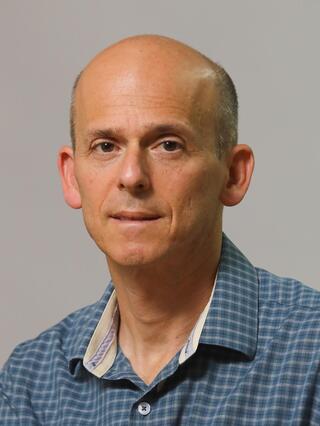
Also participating in the visit on behalf of Boeing were Boeing Israel President Maj. Gen. (res.) Ido Nehushtan and Haggai Mazursky, Head of the SAF project. The Boeing delegation was welcomed at the Technion by Technion President Prof. Uri Sivan; Vice President for Research Prof. Noam Adir; Vice President for Innovation and Industry Relations Prof. Yuval Garini; and Head of the Centre Prof. Gidi Grader of the Wolfson Faculty of Chemical Engineering.

Dr. Nelson, a physician by training, previously held senior positions in the Australian government, including Member of the Australian Parliament, Minister of Defence, Minister for Education and Science, and Ambassador to Europe. During his visit to the Technion, Nelson said: “In addition to delivering high-quality fuel-efficient airplanes to our customers, Boeing works globally and regionally to enhance energy security, support the growth of the civil aviation industry, and create new economic opportunities through sustainable aviation fuel and other technologies. We are pleased to partner with Technion and other stakeholders in the SAF Innovation Centre to support Israel’s aerospace industry.”

“This is a historic collaboration of national importance for the State of Israel,” said Technion President Prof. Uri Sivan. “The partnership with the global aviation leader, Boeing, is, for us, a vote of confidence in the Technion, its researchers, and our technological capabilities. Through this collaboration, Technion experts are taking on a tremendous mission: to develop technologies for producing clean fuels through sustainable processes, thereby making a significant contribution to aviation—and no less importantly, to human health and the environment. I do not doubt that we will meet this challenge, just as we have met many others over the past hundred years.”

“Boeing has been active in Israel since before the establishment of the State and serves as an important supplier to El Al and the Israeli Air Force,” said Maj. Gen. (res.) Ido Nehushtan, President of Boeing Israel. “Israeli industries are now key suppliers to Boeing, and many Israeli systems are integrated into the company’s products worldwide. Boeing has continued to deepen its research and development ties with academia and industry in Israel, as well as its investments in the high-tech sector.” The President of Boeing Israel added that the collaboration between the Technion and Boeing will pave the way for the development of Israel’s most advanced technologies and capabilities, which will be integrated into future generations of aerospace systems around the world.

The Boeing–Technion partnership was initiated by Boeing and includes partners from across the industry and government in Israel. The Israeli Government has provided measures and financial support to accelerate the Israeli SAF industry, which include Israel’s Ministry of Innovation, Science, and Technology establishing the ISAF research consortium and the Israel Innovation Authority launching SAF-IL which is an incubation program for Israeli start-ups dealing with SAF development.

To lead this groundbreaking vision for the development of SAF, Boeing partnered with Prof. Gidi Grader of the Technion’s Wolfson Faculty of Chemical Engineering to establish the centre, which has now completed its proof-of-concept phase. As part of the partnership, 11 Technion faculty members and dozens of doctoral students from five different faculties are working on various aspects of aviation fuel production, including efficient and competitive manufacturing; theoretical aspects of catalytic reactions and fuel combustion; safety considerations; full life-cycle analysis; and the establishment and operation of an experimental fuel-testing facility at the Technion, which will be only the second of its kind in the world.

The announcement of the Boeing–Technion partnership was originally planned for October 2023. Despite the events of October 7 and the war that followed, the decision was made to continue with the technical work, as Dr. Nelson explained several months later: “We launched this initiative, a project of resilience and innovation in the spirit of the Jewish people and the State of Israel, shortly after the horrific October 7 attack. When I met the Prime Minister a few months earlier, I told him that if there is one country in the world capable of solving civil aviation’s emissions challenge, it is Israel, led by the Technion—the Israeli MIT.”

Now, two years later, following the completion of the initial feasibility phase, senior Boeing executives were presented with the progress achieved to date, and the second phase of the initiative was launched: the development of SAF produced from green hydrogen and carbon dioxide, and the advancement of the process to a level that will enable competitive commercial production.

What if a single breath — or a small wearable patch — could reveal disease long before symptoms appear? For years, Prof. Hossam Haick of the Technion – Israel Institute of Technology has been turning that revolutionary idea into a reality. By identifying invisible chemical signals emitted by the human body, Prof. Haick has helped transform how illness can be detected: faster, earlier, and without invasive tests.

Global Recognition for Transformative Innovation

His pioneering research has opened new paths for diagnosing cancer, neurological disorders, infectious diseases, and more — using breath, skin, and advanced sensing technologies rather than needles or radiation. That life-changing work has led to Prof. Haick’s election as a Fellow of the U.S. National Academy of Inventors. This prestigious distinction is widely recognized as one of the highest professional honors for academic inventors worldwide, reflecting broad international recognition of Prof. Haick’s scientific achievements, groundbreaking inventions, and far-reaching impact on health care, technology, and education.

Prof. Haick is among a select group of researchers and inventors worldwide who have completed the full innovation cycle: from basic scientific discovery, through technological development, to real-world impact that touches the lives of millions.

In an academic landscape where basic and applied science are often separate, he stands out as someone who bridges the two worlds, translating deep scientific discoveries into clinical and technological tools with global influence.

His work led to the emergence of a new scientific field — volatilomics — which studies the chemical “fingerprints” the body emits through breath and skin.

A New Vision for Early, Noninvasive Diagnosis

This groundbreaking discovery has led to fast, noninvasive tests that give accurate results in just minutes and are used in medical centers worldwide. Additionally, Prof. Haick’s team has created smart patches that can monitor health from afar, along with new imaging tools that use chemical signals instead of radiation. These tools help doctors catch diseases early and provide personalized health care.

Beyond the Laboratory

Prof. Haick has also translated innovation into real-world impact. He holds dozens of patents and has founded several startup companies that bring advanced diagnostics, wearable devices, and electronic sensing technologies into practical use. He also founded and leads seven European Union research consortia, uniting more than 70 partners across four continents to accelerate the development and clinical adoption of advanced medical technologies.

Educating the Next Generation of Innovators

Equally significant is Prof. Haick’s role as an educator and mentor. He has published more than 500 scientific papers, authored two books, and supervised over 110 graduate and postdoctoral researchers, many of whom now lead research groups and technology companies of their own. His pioneering online course on nanotechnology and nanosensors — the first of its kind — has reached more than 1 million learners in 87 countries, extending Technion research and educational impact worldwide.

A Moment of Great Honor

Prof. Haick will be formally inducted into the NAI on June 4, 2026, at the Dolby Theatre in Los Angeles. During the ceremony he will receive a medal, certificate, lapel pin, and rosette from the NAI President and the representative of the United States Patent and Trademark Office. This extraordinary achievement reflects both Prof. Haick’s personal excellence and the Technion’s enduring mission to advance science that improves lives around the world.

Prof. Ido Kaminer and Prof. Yehonadav Bekenstein of the Technion have been awarded ERC Proof of Concept (PoC) grants by the European Research Council. The grants are expected to lead to a major leap forward in low-radiation medical imaging and in the precise mapping of biological tissues.

Two young researchers from the Technion have won the prestigious ERC PoC grants from the European Research Council (ERC). Proof of Concept grants are feasibility grants designed to promote the transition from academic research to application and commercialization, including the establishment of a startup company, and are awarded only to researchers who have previously received ERC grants. Grant amount: €150,000 each.

The two recipients are Prof. Ido Kaminer from the Andrew and Erna Viterbi Faculty of Electrical and Computer Engineering and Prof. Yehonadav Bekenstein from the Faculty of Materials Science and Engineering. Both joined the Technion faculty in the same year, 2018, and in 2025 inaugurated a joint interfaculty laboratory: the Quantum Microscopy Lab. This innovative lab is equipped with state-of-the-art microscopes capable of detecting quantum phenomena that cannot be studied by other means. The laboratory, which also includes Dr. Michael Krüger from the Faculty of Physics, was established following the Technion’s success in a call issued by the National Authority for Technological Innovation, with support from the Helen Diller Quantum Center at the Technion.

Prof. Yehonadav Bekenstein, a graduate of the Hebrew University of Jerusalem, joined the Technion faculty after a Rothschild postdoctoral fellowship at the University of California, Berkeley. He is considered a leading scientist in materials discovery, specializing in light-emitting nanomaterials and perovskites  the technology at the heart of the new sensor that earned him the grant. His scientific work has been recognized with a series of prestigious awards, including the Krill Prize for Excellence in Scientific Research and the Goldberg Prize from the Technion.

The grant Prof. Bekenstein received will be used to advance MagicLayer a sensor for a new generation of medical imaging with minimal radiation exposure. The scientifc idea of the developed technology is based on nanocrystals and ultrafast quantum light emission.

3.המעבדה למיקרוסקופיה קוונטית בטכניון. מימין לשמאל : מנהל המעבדה ד"ר קובי כהן, פרופ' עדו קמינר , ד"ר מיכאל קרוגר ופרופ' יהונדב בקנשטיין.
The Quantum Microscopy Laboratory at the Technion. From left to right: Prof. Yehonadav Bekenstein, Dr. Michael Krüger, Prof. Ido Kaminer, and laboratory director Dr. Kobi Cohen

Sensors used in medical imaging are currently limited by their response speed. This relative slowness leads to the loss of valuable information and forces physicians to increase patients’ exposure to radiation. Standard crystals used in industry have reached the limits of their classical physical capabilities and struggle to deliver the field’s “holy grail,” which is a time resolution of 10 picoseconds. This is where the new sensor comes in; it is based on arrays of nanocrystals developed at the Technion. The light emitted from these arrays is correlated and responds significantly faster than existing technologies. The technology is relevant not only to medicine but also to improving electron microscopes and to real-time monitoring of radioactive gases in nuclear facilities. The research team behind the winning proposal includes Dr. Georgy Dosovitskiy, Dr. Rotem Strassberg, and Shai Levy.

Prof. Ido Kaminer, who completed all of his degrees at the Erna and Andrew Viterbi Faculty of Electrical Engineering, returned as a faculty member after a postdoctoral fellowship at MIT. He is a world-renowned scientist in photonics, electron microscopy, light–matter interactions, quantum information processing, and mathematical discoveries using artificial intelligence. His scientific work has earned him numerous honors, including the Stanisław Lem Prize, the Schmidt Science Polymath Award, the Blavatnik Award, the Krill Prize, and election to the Israeli Young Academy.

His new grant will be used to develop Stork – an innovative module that improves the performance of transmission electron microscopes (TEM). These instruments are widely adopted for biological applications as well as semiconductor metrology and inspection. However, their capabilities across both fields are highly limited owing to low contrast, which hinders resolution and throughput. The Stork technology makes it possible to introduce light directly onto the studied specimen, while also efficiently collecting the light emitted from it, thereby enhancing the TEM imaging capabilities dramatically. This paradigm shift in TEM technology will provide unprecedented information for imaging biological tissues and atomic-scale defects in electronic devices. The research team behind the winning proposal includes Dr. Tal FishmanDr. Michael Yannai, and Dr. Raphael Dahan, as well as students Marta Rozhenko and Rotem Elimelech.

Researchers at the Technion Faculty of Biology have discovered that a mechanism responsible for breaking down toxic proteins, and known to be involved in the development of Alzheimer’s disease, may actually spread these proteins to neighboring cells, thereby promoting the progression of the disease in the brain

A research group led by Professor Michael Glickman, dean of the Technion’s Faculty of Biology, has uncovered a key mechanism in the development of Alzheimer’s. The mechanism in question identifies toxic proteins and disposes of them. In most cases, harmful proteins are degraded inside the cell. However, the researchers found that in certain situations, the very system meant to eliminate these proteins simply transfers them outside the cell. This discovery may explain how a disease that begins randomly in individual neurons can spread to large regions of the brain.

The study, published in PNAS, was led by Prof. Glickman and postdoctoral researcher Dr. Ajay Wagh. In their article, they describe how brain cells deal with UBB+1, a defective and toxic variant of the protein ubiquitin.

The ubiquitin system is essential for breaking down damaged and dangerous proteins. Ubiquitin helps the body eliminate such proteins. The problem arises when ubiquitin mutates into UBB+1. Instead of protecting the cell, UBB+1 harms it, forming protein aggregates associated with the development of Alzheimer’s disease. In brain cells, this damage is particularly severe because neurons do not divide or regenerate – once a neuron dies, it cannot be replaced. One of the “gatekeepers” that prevents UBB+1 from poisoning brain cells is the protein p62, which is involved in the cellular self-cleaning process known as autophagy. Acting as a smart receptor, p62 recognizes UBB+1 and encloses it in a vesicle that prevents it from causing harm.

Next, one of two things happens: p62 either directs the vesicle to the lysosome, which is the cell’s recycling centre, or secretes it out of the cell into the intercellular brain fluid. The Technion researchers show that the second option may endanger brain tissue. Once the vesicle is expelled into the brain’s extracellular fluid, fragments of the toxic UBB+1 protein may leak into neighboring neurons, thereby accelerating the spread of Alzheimer’s pathology.

According to Prof. Glickman, “We all want someone to take out the trash, but in this case, the cells are dumping their trash on their neighbors. Although this solves an acute problem for the individual cell, it may cause long-term damage to the entire tissue. We believe that uncovering this mechanism will enable, first, early diagnosis of Alzheimer’s disease based on analyses of cerebrospinal and other body fluids, and second, the development of precise, personalized treatments.”

The study was supported by the Israel Science Foundation (ISF) and the European Research Council (ERC).

Prof. Reinhard Genzel, who won the 2020 Nobel Prize in Physics for discovering the black hole at the centre of the Milky Way Galaxy, met with students at the Technion and planted a tree on the campus’ “Nobel Laureates Avenue”

Prof. Reinhard Genzel, Nobel Prize laureate for 2020, recently visited the Technion-Israel Institute of Technology. During his visit, Prof. Genzel met with the incoming Dean of the Faculty of Physics, Prof. Eric Akkermans, delivered a lecture in the Faculty, met with graduate students, and then planted a tree on the Technion’s “Nobel Laureates Avenue,” where more than twenty trees have been planted by Nobel Prize laureates.

This was not Prof. Genzel’s first visit to the Technion. In 2014, the Technion awarded him the Harvey Prize in Science and Technology for proving the existence of a black hole at the center of our galaxy (i.e., the Milky Way Galaxy). The Harvey Prize is the most prestigious award granted by the Technion, and over the years, it has become known as a “Nobel predictor,” since more than 30% of its recipients have gone on to win the Nobel Prize. This was the case with Prof. Genzel, who received the Nobel Prize six years after winning the Harvey Prize. Since then, Prof. Genzel has visited the Technion several times.

Born in Germany in 1952, Prof. Genzel is the director of the Max Planck Institute for Extraterrestrial Physics in Garching, Germany. Until the age of 15, he believed he would become an archaeologist. “In the end, I arrived at a similar field,” he told Technion students, “after all, both archaeology and astrophysics deal with the study of the past.” He was also interested in sports and was even selected for Germany’s Olympic team in javelin throwing. A severe elbow injury cut short this promising athletic career and dashed his dream of participating in the Munich Olympics. Nevertheless, he said that “Sports gave me excellent tools for life, especially the understanding that you must work hard and know how to get up after failures.”

2.נשיא הטכניון פרופ' אורי סיון (מימין) עם פרופ' גנצל
Prof. Genzel with Technion President Prof. Uri Sivan

Before the lecture in the Faculty of Physics, Prof. Hagai Perets spoke in glowing terms about Prof. Genzel. “In my view, his greatness as a person is no less than his greatness as a scientist,” said Prof. Perets. “As a doctoral student, I remember how accessible he was to students, how much he enjoyed meeting them and helping them. His support for Israel over many decades, and especially since the events of October 7, attests to his exceptional character.”

“My visits here, and my friendships with colleagues at the Technion and in Israel in general, are a great privilege,” said Prof. Genzel. “I see many curious students here in the audience, and I promise them that the Technion is an excellent place for high-level learning.”

“Black holes were part of Einstein’s general theory of relativity,” said Prof. Genzel. “According to Newton’s classical physics, if a photon (a particle of light) passes near a mass, it will not be affected by it and will not change its path. According to Einstein, by contrast, the photon will be influenced by the mass and will deviate from its trajectory; and if the mass is particularly large, the deviation will be especially large. In such a case, regions form in space from which photons cannot escape. These are black holes.”

3.פרופ' גנצל מרצה בפקולטה לפיזיקה בטכניון
Prof. Genzel

Since the publication of the general theory of relativity in 1915, significant breakthroughs have been made in its theoretical development, but experimental research has had to contend with numerous technological challenges – and this is where Prof. Genzel’s main contribution lies. Using the technologies he developed, Prof. Genzel succeeded in proving the existence of a black hole at the center of the Milky Way Galaxy and determined that its mass is four million times that of the Sun.

One of the technological challenges on the road to discovery was the optical challenge, since the radiation reaching the large telescopes on Earth passes through currents and turbulence in the atmosphere that distort the resulting image. The solution developed by Prof. Genzel and his colleagues combined infrared imaging, innovative optical technologies, and adaptive optics – a field that began developing in the 1980s and made it possible to correct the optical disturbances created by the atmosphere. Adaptive optics is based, among other things, on creating “virtual stars” using laser radiation and observing them telescopically; based on the data obtained from these observations, and the gap between them and the true properties of the “star,” it is possible to create a correction mechanism that neutralizes atmospheric distortions and provides a more accurate and sharper image of real objects in space.

“Prof. Genzel is a leading observational astrophysicist who has excelled in developing groundbreaking instrumentation,” explained Dr. Shmuel Bialy from the Technion Faculty of Physics, who organized the visit. “The success that led him to the Nobel Prize was based on instruments whose development he led. The most recent of these, GRAVITY, was launched in 2016 as part of the VLT (Very Large Telescope) in Chile. The instrument combines the signals from four telescopes, each with a diameter of 8.2 meters, and produces an image with exceptional resolution, equivalent to observations made with a gigantic telescope with a mirror diameter of 130 meters. This technology makes it possible to measure the positions of objects with an accuracy of up to 10 micro-arcseconds – like measuring, in a telescopic observation from Tel Aviv, the exact position of a grain of sand lying on a bench in New York.”

4.פרופ' גנצל בפגישתו עם הסטודנטים
Prof. Genzel with the students

The technological advances led by Prof. Genzel enabled him and his partners to create pioneering observation systems and unprecedented discoveries. In October 2002, they published in Nature the findings they had collected over a decade and their central conclusion: at the center of the Milky Way galaxy, about 26,000 light-years from us, there is an object smaller than the size of the solar system but with a mass four million times that of the Sun. This discovery led to the awarding of the 2020 Nobel Prize in Physics to three scientists: Prof. Genzel and Prof. Andrea Ghez for the discovery of a “supermassive compact object at the center of the galaxy,” and Prof. Roger Penrose of Oxford for showing that “black holes are a robust prediction of the general theory of relativity.”

Prof. Genzel shared his scientific journey with the students. “The motivation to continue experimental research, with all its challenges, came to me from the many successes along the way. The Nobel Prize was never my motivation – and Prof. Charles Townes, Nobel laureate in Physics for 1964, made it clear to me early in my career that there are no Nobel Prizes in astrophysics. Later, when I received the Crafoord Prize in 2012 from the Royal Swedish Academy – the same academy that awards the Nobel Prize – they told me at the dinner after the ceremony that ‘you have no chance of winning a Nobel Prize – unless you present a truly earth-shaking discovery.’”

In the past decade, things have changed, and four Nobel Prizes in Physics have been awarded to astrophysics. One of them went to Prof. Genzel, who told the students that, “Even after the Prize, I continue to do science because that’s what I love. It’s not that nothing changes – the attention you receive following the award is hard to describe. And it doesn’t affect you only positively – suddenly, the media follows every word you say and looks for ways to create sensational headlines from your remarks. That requires great caution.”

4.פרופ' גנצל בפגישתו עם הסטודנטים
Prof. Genzel with the students

Photo credit: Sharon Tzur, Technion Spokesperson’s Office

Five companies across the hardware-software stack position Israel among the world’s most dynamic quantum hubs.

Israel’s quantum computing sector is experiencing a breakout year. In 2025 alone, five Israeli quantum companies have raised almost $500 million, an influx of capital that places the country among the most active and diversified quantum hubs in the world. The companies – Quantum Art, Classiq, QuamCore, Qedma, and Quantum Machines – span nearly every layer of the quantum stack, from hardware and scaling architectures to control systems and error-correction software.

Quantum Art: A Hardware Bet With an Aggressive Roadmap

The most recent deal came on Wednesday, when Quantum Art announced a $100 million Series A, bringing its total funding to $124 million. The round was led by Bedford Ridge Capital with participation from Battery Ventures, Destra Investments, Lumir Growth Partners, Disruptive AI, Harel Insurance, and others, alongside continued investment from Amiti Ventures, StageOne Ventures, Vertex Ventures, Entrée Capital, and the Weizmann Institute of Science.

Founded as a spin-off from Prof. Roee Ozeri’s group at the Weizmann Institute, the company is led by Dr. Tal David (CEO), Dr. Amit Ben Kish (CTO), and Ozeri (CSO). It specializes in trapped-ion quantum computing, a field long known for precision but criticized for scalability. Quantum Art argues it has solved key challenges through proprietary techniques in multi-qubit gates, modular architectures, and robust error correction.

In June, the company unveiled an unusually detailed roadmap targeting Quantum Advantage by 2027 and a one-million-qubit system by 2033. The timeline includes a 50-qubit system next year; a 1,000-qubit “Perspective” line in 2027; an ultra-dense 12,000-40,000 qubit “Landscape” platform; and ultimately a fault-tolerant “Mosaic” architecture.

Classiq: Software as the Missing Layer

Quantum computer
Quantum computer. (Courtesy)

On the software side, Classiq raised an estimated $30 million in November in an up-round that included AMD Ventures, Qualcomm Ventures, IonQ, and major financial institutions such as Mirae Asset Capital, Bank Leumi’s LeumiTech77, and Quantum Eretz. The company has now raised more than $200 million to date, following a $110 million Series C completed just six months earlier and an additional $10 million investment from SoftBank.

מוסף חג העצמאות 25.4.23   מייסדי החברה מימין ניר מינרבי אמיר נוה ד׳׳ר יהודה נוה חברת Classiq
Classiq founders. (Photo: Eyal Toueg)

Classiq builds an operating system and development environment that translates high-level goals into quantum circuits, allowing organizations to build applications without deep knowledge of quantum physics. Its partnerships with NVIDIA, Microsoft, and AWS, and customers including BMW Group, Comcast, Rolls-Royce, Citi, Toshiba, and SoftBank, suggest that enterprises increasingly see value in preparing for quantum computing years before the hardware matures.

Founded in 2020 by CEO Nir Minerbi, CPO Amir Naveh, and CTO Dr. Yehuda Naveh, the company employs 100 people, three-quarters of whom are based in Israel.

QuamCore: The Race to a Million Qubits

In August, QuamCore raised $26 million in a Series A that brought its total funding to $35 million, including a $4 million grant from the Israel Innovation Authority. The round was led by Sentinel Global, with participation from Arkin Capital and returning investors Viola Ventures, Earth & Beyond Ventures, Surround Ventures, Rhodium, and Qbeat.

מייסדי QuamCore
QuamCore founders. (Photo: QuamCore)

QuamCore claims to have developed a fully designed and simulated architecture for scaling superconducting quantum systems to one million qubits in a single cryostat, far beyond the ~5,000-qubit per-module limit achieved by Google and IBM. If validated, the approach would fundamentally rewrite assumptions about the physical limits of superconducting systems.

The company is led by CEO Alon Cohen, formerly of Mobileye’s EyeC Radar Group, and CTO Prof. Shay Hacohen-Gourgy and Chief Scientist Prof. Serge Rosenblum, both leading figures in superconducting quantum research at the Technion and the Weizmann Institute. Their combined academic work has appeared in Science, Nature, and other top journals.

Qedma: Fixing Quantum Computing’s Biggest Problem

Error rates remain the defining barrier to practical quantum computing, and Israeli startup Qedma has positioned itself squarely at this chokepoint. The company raised $26 million in July in a Series A led by Glilot+ with participation from IBM, Korean Investment Partners, and others.

QEDMA עובדי חברת קדמה
Qedma team. (Photo: Eyal Toueg)

Qedma develops software that identifies and learns the noise profile of each quantum device and adjusts algorithms to suppress and mitigate errors. The company claims its methods can enable quantum calculations up to 1,000 times larger than today’s hardware alone can support. That would dramatically reduce the overhead required for quantum error correction, which typically consumes up to 1,000 physical qubits for every single logical qubit.

The company traces its origins to a 2020 conversation between Prof. Netanel Lindner and Dr. Asif Sinay, later joined by Prof. Dorit Aharonov, a pioneer of the fault-tolerance theorem that proved large-scale quantum computing was theoretically possible. Their weekly discussions evolved into a startup aiming to build the “operating layer” that quantum machines currently lack.

Quantum Machines: Control Systems Become Strategic

The year’s largest raise came in February, when Quantum Machines closed a $170 million Series C, bringing its total investment to $280 million and valuing the company at an estimated $700 million. PSG Equity led the round with participation from Red Dot Capital Partners, Intel Capital, TLV Partners, Battery Ventures, and entrepreneur Avigdor Willenz.

מייסדי Quantum Machines קוואנטום משינס ד”ר יונתן כהן CTO , ד”ר איתמר סיון, מנכ"ל וד”ר ניסים אופק מהנדס ראשי
Quantum Machines team. (Photo: Ilya Melnikov)

Quantum Machines builds hybrid control systems used across nearly every type of quantum hardware. Its technology has seen broad global adoption, including through a strategic collaboration with NVIDIA on DGX Quantum, which integrates real-time quantum control with high-speed classical computing.

The company was founded in 2018 by Dr. Itamar Sivan (CEO), Dr. Yonatan Cohen (CTO), and Dr. Nissim Ofek (VP R&D), all alumni of the Weizmann Institute’s Submicron Center.

Prof. Gal Shmuel of the Faculty of Mechanical Engineering at the Technion—Israel Institute of Technology has developed an innovative approach that enables precise control of heat conduction in ways that do not occur naturally.

The breakthrough could lead to new applications in energy harvesting and in protecting heat-sensitive devices. The research, conducted in collaboration with Prof. John R. Willis of the University of Cambridge, was published in Physical Review Letters.

The researchers’ approach is based on designing materials with asymmetric and nonuniform microstructures, inspired by similar methods previously developed for controlling light and sound—but never applied before to heat conduction. The challenge in adapting these ideas stems from the fact that light and sound propagate as waves, while heat spreads through a spontaneous process known as diffusion.

The solution developed by Profs. Willis and Shmuel relies on a unique homogenization method that accurately maps the average heat flow in composite materials. Using this method, the two propose thermal metamaterials (engineered materials with thermal properties not found in nature) in which the average heat flow is asymmetric: the heat flow pattern depends on the direction from which it enters the material.

This engineered asymmetry makes it possible to “tame heat,” guiding it in desired directions. According to Prof. Shmuel, “This capability is essential for various technological applications. It expands our toolkit for managing heat and offers new solutions for protecting temperature-sensitive electronics and efficiently routing heat in thermal energy harvesting systems.”