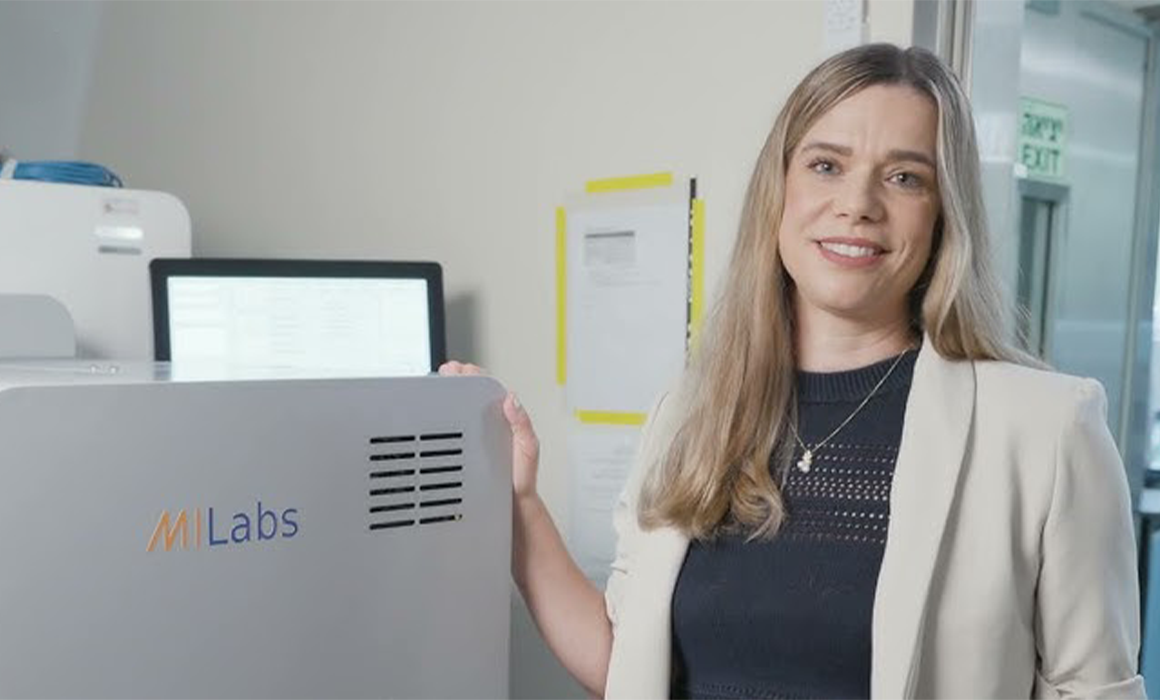

Belgian-born Technion scientist Dr. Katrien Vandoorne leads research tracking inflammation in the body and says Israel’s collaborative science culture and wartime resilience convinced her to build her lab and raise her family here

When Dr. Katrien Vandoorne first arrived in Israel to pursue her PhD at the Weizmann Institute of Science, she was struck by something that went far beyond laboratories and research facilities. “The people were very collaborative and warm and inspiring,” she recalled. “The science was really great for me, but also the Mediterranean climate, the food, all those things.”

Originally from Belgium, Vandoorne said the country’s scientific culture felt very different from the academic environment she had known in Europe. “In Belgium it’s very hierarchical,” she said. “The professor is very high up, and you should always be very polite and never question anything that is written in the book.”

How did you find Israel’s scientific culture in contrast?
“What I really like about Israel is that, as a master’s student, you can question the whole theory of your professor, and there is no problem with that,” she said. “Your professor will actually like it that the student is engaged and wants to make your theory fall.”

For Vandoorne, that openness was transformative. “No one will ever say, ‘That’s a stupid question,’” she said. “Everybody will say, ‘Hey, that’s a good question,’ and take it as a sport.” She believes this atmosphere encourages creativity and innovation. “The young people, they’re the ones with the, maybe, crazy ideas, but maybe also really solving things that the previous generations couldn’t solve.”

Building a life in Israel

Although Vandoorne later had opportunities to work in Europe and the United States, she and her family ultimately decided to build their future in Israel. “It was really a package deal,” she said. Her husband, an Israeli, had long hoped to return. But Vandoorne said the decision was not only personal. “For me it was really the scientific culture and the unique combination of very good science that wants to make an impact and solve problems, together with a really human environment,” she said.

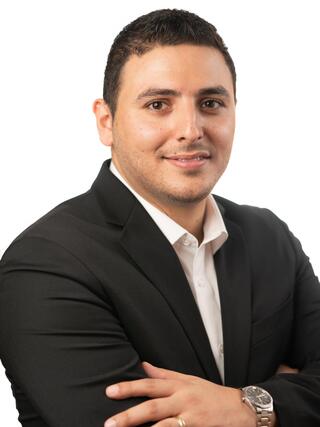
Dr. Katrien Vandoorne
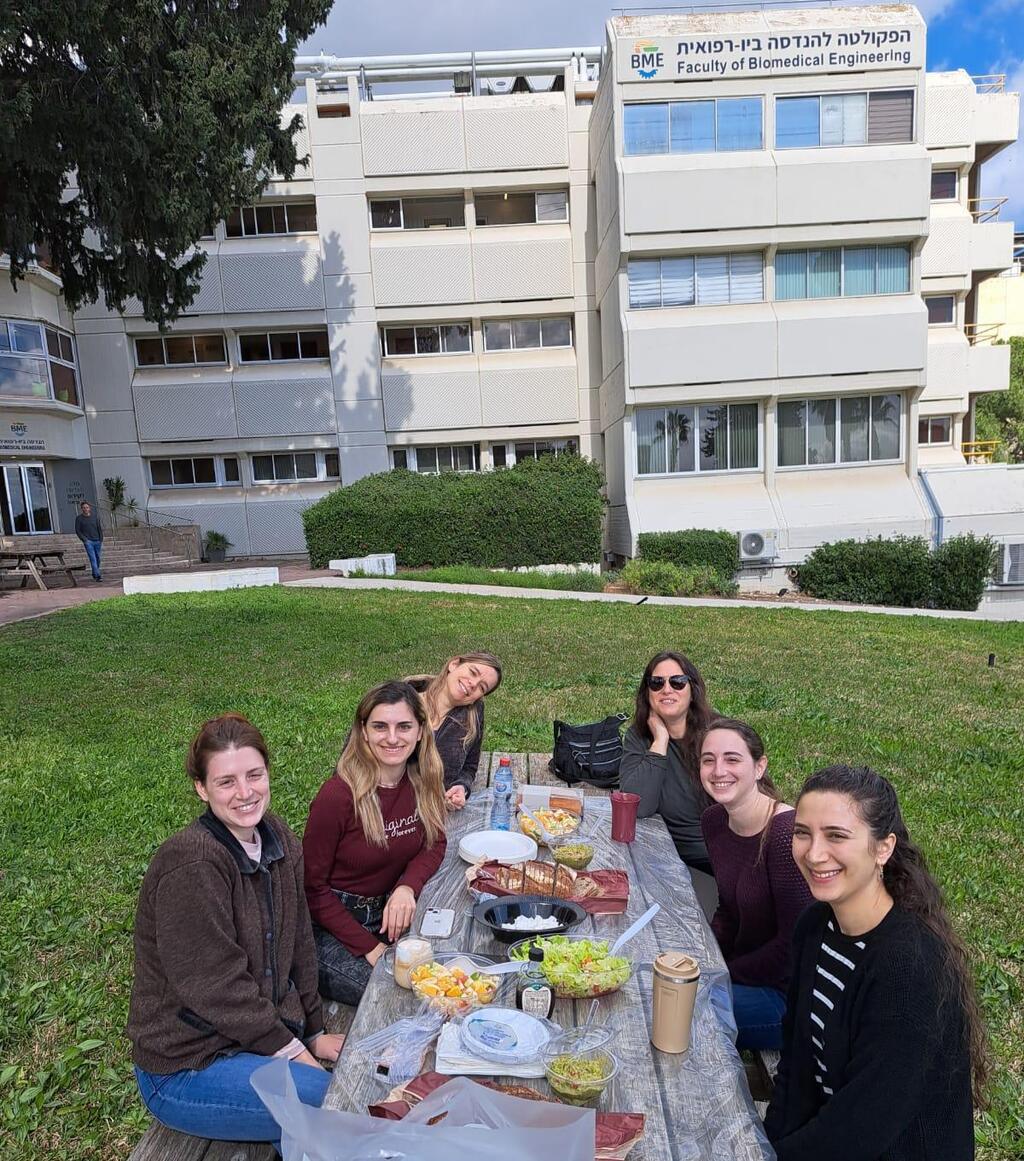
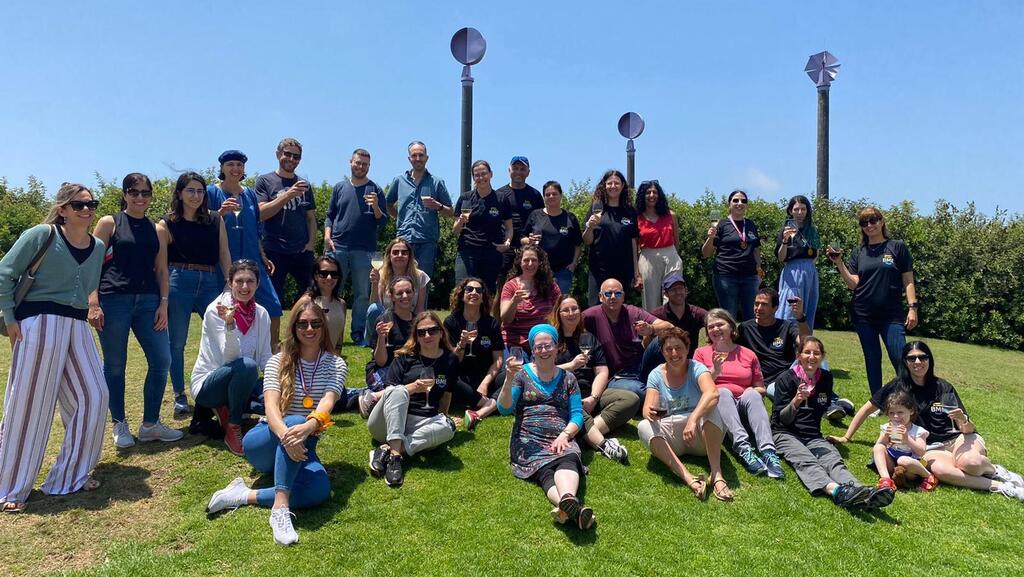
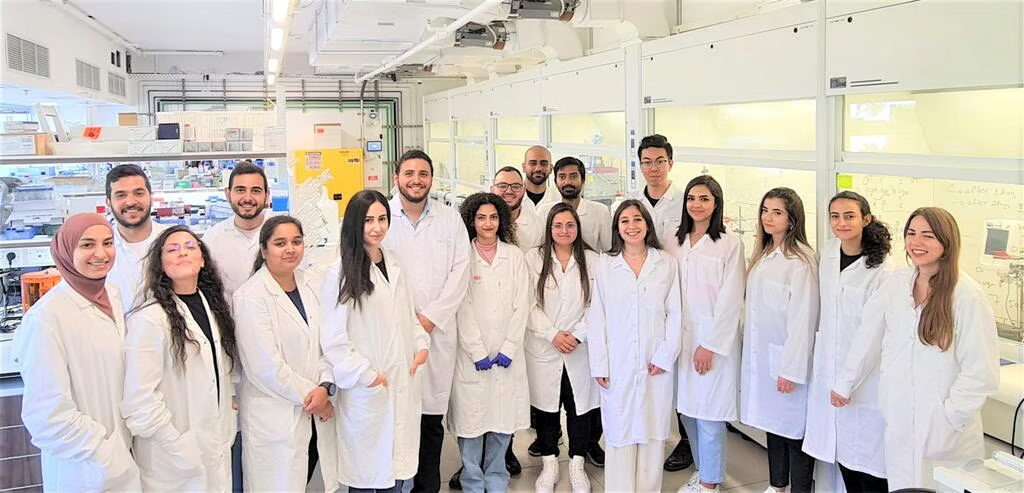
Dr. Vandoorne having breakfast with her students on the grass next to the faculty building: coffee, ideas, and a little team-buildin (Photo: Private album)

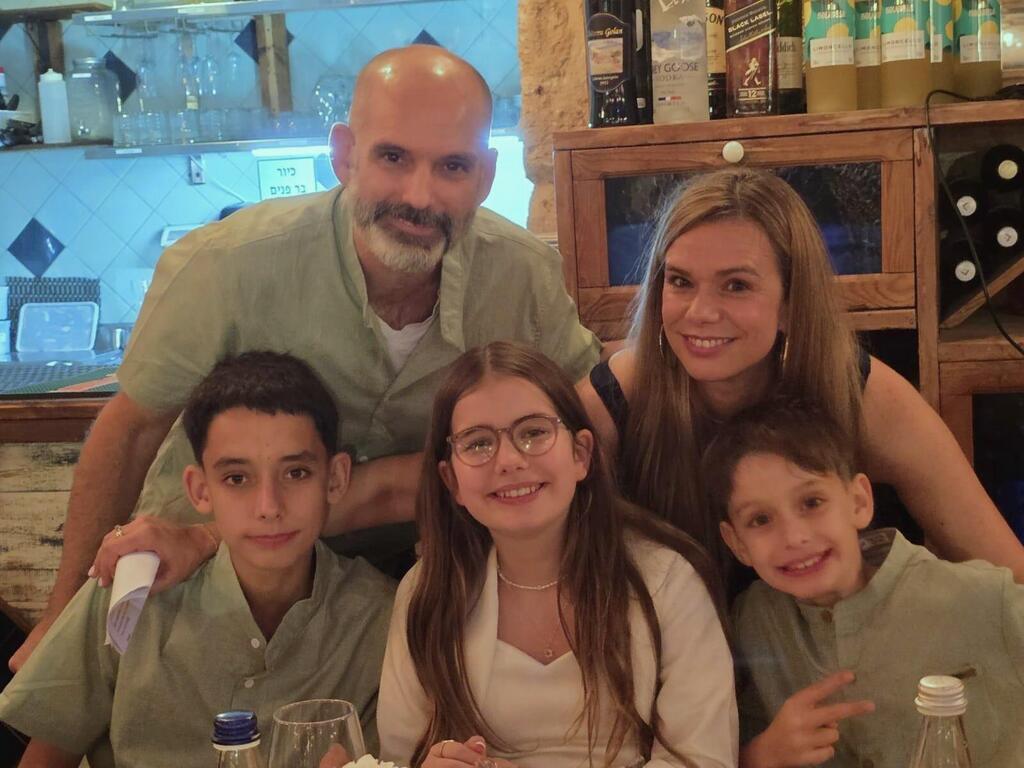
Family considerations also played a central role. The couple moved to Israel in the summer of 2018 with their three young children. “They were 3, 5 and 7,” she said. Starting over in a new country while raising a family was not simple. “Becoming an immigrant means that you have to learn the language, find new friends and also professionally grow,” she said. “It’s been a journey.”

Despite the challenges, she says the experience has been enriching. “Instead of making myself smaller by being only an immigrant, I expanded myself by learning Hebrew and also being part of the Israeli culture,” she said.

Mapping inflammation in the body

Today Vandoorne is head of theIn Vivo Multi-Scale Imaging Lab at the Technion’s Faculty of Biomedical Engineering in Haifa. Before joining the Technion, she worked at leading research institutions in Europe and the United States, including Eindhoven University of Technology in the Netherlands, and conducted research at the Weizmann Institute of Science, where she completed her PhD.

Her team studies how inflammation spreads through the body and how immune cells travel between organs. “When the body faces any stress like infection, chronic disease or heart attack, the immune system is activated,” she explained. “Most of these immune cells come from the bone marrow. It’s like a factory inside the bones where blood and immune cells are produced.” Her work focuses on how inflammation contributes to diseases such as heart disease, diabetes and neurological disorders, conditions in which the immune system plays a key role.

Dr. Katrien Vandoorne

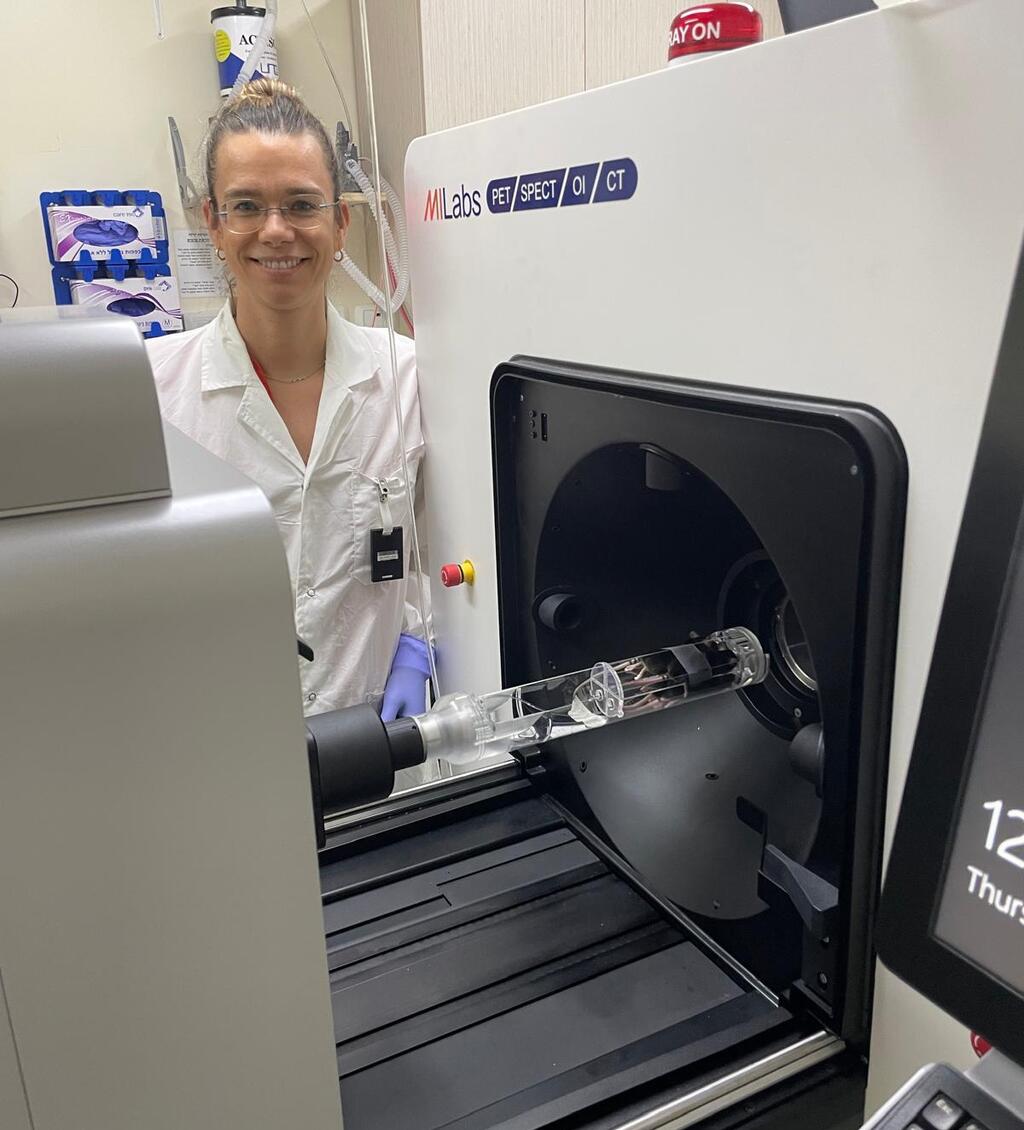
Using advanced imaging technologies including MRI, PET-CT and intravital microscopy, her team tracks immune cells as they move from the bone marrow through the bloodstream to organs such as the heart and brain. “Our goal is really to visualize these inflammatory processes so we can measure them, monitor them and ultimately also treat them,” she said. “Or even diagnose them earlier and be more precise with therapies.”

Vandoorne’s work sits at the intersection of biology, medicine and engineering, reflecting the Technion’s approach of combining technological innovation with medical research.

A unique research ecosystem

Vandoorne says the Technion’s strength lies in its ability to bridge engineering and medicine. “It combines engineers on the technical side and clinicians on the medicine side,” she said. “You have Rambam Hospital, a great medical school and all the engineers needed to solve problems.” Biomedical engineers often stand at the intersection of those disciplines. “We’re really trying to work on real-world problems,” she said.

Dr. Katrien Vandoorne

Beyond infrastructure, she credits the university’s collaborative atmosphere. “It’s a very warm human environment,” she said. “Everybody is open and supporting. Whatever question I have, people are trying to help.”

Life and work during war

Like many Israelis, Vandoorne’s daily life has also been shaped by the ongoing war. “The war has been a rough pill to swallow,” she said. Without extended family nearby and with many international friends leaving Israel after the October 7 attacks, the experience has been emotionally challenging. “I built up a whole network of friends and most of them left,” she said. “It was very confronting for me to need to start it up again.”

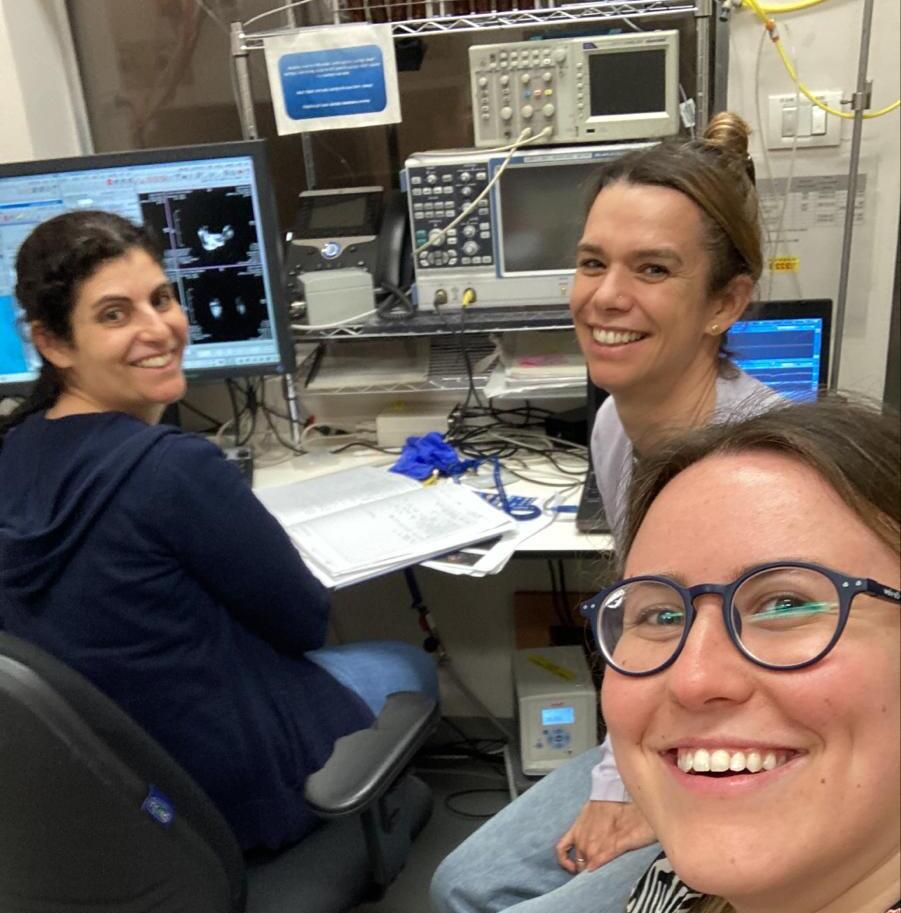
Yet she says both her children and her students have helped her navigate the uncertainty. “My children teach me the most about how to deal with it,” she said. “I worry about them and they tell me not to. They say they are fine.” Her lab community has also provided support. “For me our faculty feels like a small family,” she said. “Everybody is really part of the community.”

Dr. Katrien Vandoorne

During periods of heavy rocket fire from Hezbollah in northern Israel, staff and students often gathered in a large underground shelter inside their building. “We were just all down there trying to ground ourselves by talking science in the shelter while bombs were falling,” she said. “After everything stops everybody gives a hug and we go back up and continue our day.”

Believing in Israel’s scientific future

Despite the difficulties, Vandoorne remains optimistic about Israel’s future in science and innovation. “I think if anywhere there’s going to be biomedical innovation, it’s going to be here,” she said. Part of that belief comes from what she sees as a national resilience. “We are not afraid of anything,” she said. “That lack of fear stops many people in other countries from innovating.”

Dr. Katrien Vandoorne

Facing constant challenges can also fuel creativity, she said. “If you are in a country where everything is good and everything is fine, you don’t want to take a challenge,” she said. “Here we deal with challenges every day.”

For Vandoorne, that spirit continues to shape both her research and her life in Israel. “It really feels like a place where people want to solve problems and help each other,” she said. “That’s why I want to stay.”

Prof. Katrien Vandoorne is head of the In Vivo Multiscale Imaging Lab in the Faculty of Biomedical Engineering in the Technion – Israel Institute of Technology.

As the world is told about the war between Iran, Israel and the United States in the language of strategy and security, my prism is memory. For many, this is geopolitics. For me, it never really is.

All my grandparents were Persian Jews. They left their homes when the country they had known most of their lives had become home no longer. They felt unsafe under a regime that was fast becoming more rigid and fundamentalist.

They left behind property, wealth, community and family. Some relatives who stayed were imprisoned. Many others were killed. In our family, those stories are not told as political history, they are told as personal experience.

Before the Islamic Revolution in 1979, Iran back then was a rapidly modernising country, vibrant and sophisticated with an incredibly rich culture. Under the rule of the Shah, it blended ancient heritage with a booming, Western-influenced urban culture – and the Jews were protected.

For centuries, Jews in Persia contributed to its society in many meaningful ways. My own family, from Mashhad, were educated, entrepreneurial and deeply connected to the people around them. The shift did not happen overnight. It rarely does, but as Islamic fundamentalism hardened into state power, Jewish life became increasingly precarious. What once felt like belonging, became uncertainty, and then fear. That change shaped the course of my family’s life, and it still echoes.

They were lucky and managed to leave the country before the current evil regime took power. They move to Israel, the US and the UK.

I was meant to be in Israel this week on a Technion UK solidarity visit. Cancelling the trip was not an easy decision. It felt heavy, and even disloyal. Yet whether I am in Israel or in London, what is unfolding does not feel far away. It feels familiar in ways that are too difficult to explain to those who do not carry a similar history.

As CEO of Technion UK, I proudly represent Israel’s oldest university and one of its leading scientific and technological institutions. Technion graduates have played a central and leading role in many areas including developing nearly all of Israel’s defence systems that protect Israel’s citizens of every background; Jewish, Christian, Muslim, Druze and Bedouin. But beyond the technology is something more enduring: a determination to keep building and contributing to the country and the world, even under threat.

When I spend time with members of the Persian Jewish community in London, I do not hear rage. I hear deep sadness. There is grief for a country they once loved that no longer exists. Their hope for change is not driven by vengeance. It is shaped by longing and the memory of what once was.

Behind the headlines are so many families like mine: 150,000 Jews shaped by exile, resilience and memory. That is not ancient history. It sits within living memory, around Shabbat tables, in the stories grandparents tell our children.

Purim teaches us that Jewish history has never moved in a straight line. There have been moments of threat, moments of reversal and moments of renewal. Remembering that is simply part of our inheritance.

For me, this moment is not only about strategy or security. It is about responsibility, to those who came before us, and to those who will come after. That is why it feels so personal.

Six international companies are relocating to Boston as part of an artificial intelligence health care accelerator backed by the Middle East’s largest medical centre.

Sheba Medical Center in Israel — which has the world’s first AI-powered emergency department — first announced its new U.S. endeavour last May. Now it has officially launched the ARC Innovation Boston location in the city’s downtown, a “soft landing pad” for international startups working to transform the delivery of health care through AI and digital solutions.

The Boston hub is joining a network of existing ARC (Accelerate, Redesign, Collaborate) programs in London, Melbourne, Singapore, Berlin and New Zealand.

It’s expected to leverage Massachusetts’ world-class health care institutions, clinical research and tech innovation with Sheba Medical Centre’s ARC methodology and global platform.

“The launch of ARC Landing Boston marks the start of a new era of medical innovation,” said Dr. Yonatan Keschner, CEO of the Boston location. “Our first cohort of startups are developing technologies that will address some of the greatest medical challenges and reinvent the future of healthcare.”

Sheba Medical Center Boston Arc
Dr. Yonatan Keschner, CEO of ARC Landing Boston, speaks at a February networking event hosted at the new AI health care accelerator.Courtesy ARC Landing Boston

The companies setting up shop in Boston as part of the first U.S. cohort are:

  • XEOS (founded in 2019) — Real-time molecular imaging in the operating room to help surgeons confirm complete tumour removal and improve surgical outcomes.
  • UltraSight (founded in 2018) — AI-driven software that makes high-quality cardiac ultrasound accessible anywhere — designed for clinicians who aren’t cardiac sonographers but routinely evaluate and manage patients.
  • FeelBetter (founded in 2019) — AI-powered pharmacotherapy platform for medication management, designed to improve outcomes, efficiency and financial performance for health care organisations.
  • Modulight (founded in 2022) — Developing first-of-its-kind therapy (precise control of brain activity using light) to treat severe neurological disorders.
  • custoMED (founded in 2023) — Combining AI, 3D printing and clinical expertise to empower orthopaedic surgeons to design and produce personalised surgical guides and implants from standard imaging.
  • Nuri Braintech (founded in 2024) — The first emotion brain-computer interface designed for psychiatry, breakthrough therapeutic approach for post-traumatic stress disorder and other treatment-resistant mental illnesses.

Collectively, the companies have so far raised $84.9 million. The Sheba ARC team is providing physical work space in downtown Boston and facilitating connections with the state’s health care ecosystem, as well as operational support. 

Sheba Medical Center ARC Boston
Sheba Medical Center has formally launched its ARC Landing Boston location, featuring six international startups relocating to the U.S.Courtesy Boston ARC Landing

Professor Eyal Zimlichman — who serves as deputy director general, chief medical officer, chief innovation officer and ARC co-founder at Sheba Medical Center — previously told MassLive that patients in Massachusetts will have the opportunity to experience the technologies before the rest of the world, as the companies will need to test and deploy their work with local hospitals and providers.

Last fall, the program was in the process of signing memorandums of understanding with “a very large number” of Massachusetts providers, in not just Boston, but also the western part of the state and the north and south shores.

The Technion claimed the top spot in Europe for AI research according to CSRankings, placing 21st globally, and has fuelled a surge of successful commercial tech spinoffs.

The Technion Israel Institute of Technology was ranked the best university in computer science and artificial intelligence research in Israel and Europe. It was also ranked 21st worldwide, according to an index unveiled by CSRankings on Monday.

The index was created using the number of peer-reviewed conference papers published by Technion researchers between 2005 and 2025 at the world’s leading computer science conferences, highlighting the Technion as one of the leading institutions in AI research and development.

The institute was also ranked among the top ten most important universities when investigating Machine Learning, a subfield of Artificial Intelligence.

The Technion explained that this achievement was possible thanks to its extensive community of researchers, comprising more than 150 professionals from across a range of faculties, working in various areas of AI research and development.

“This international recognition stems from a long-term strategy to advance AI research at the Technion and from substantial investment in this field,” said Prof. Danny Raz, Senior Executive Vice President at the Technion.

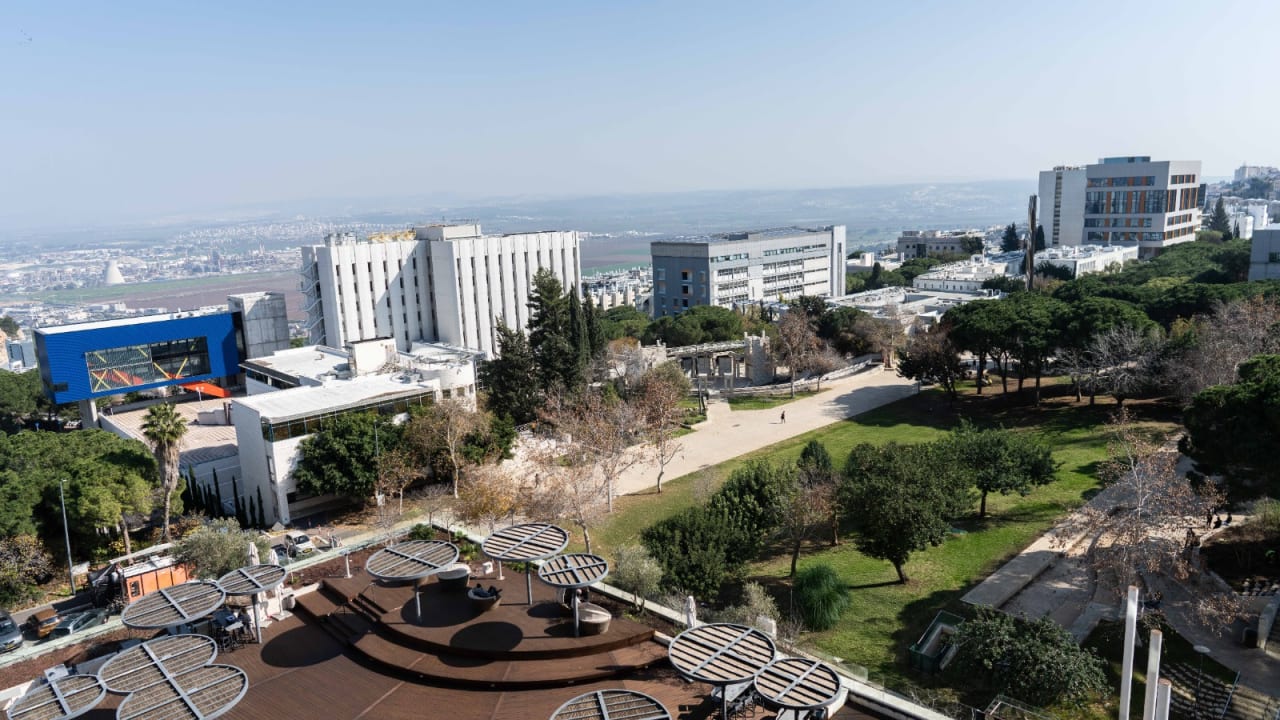
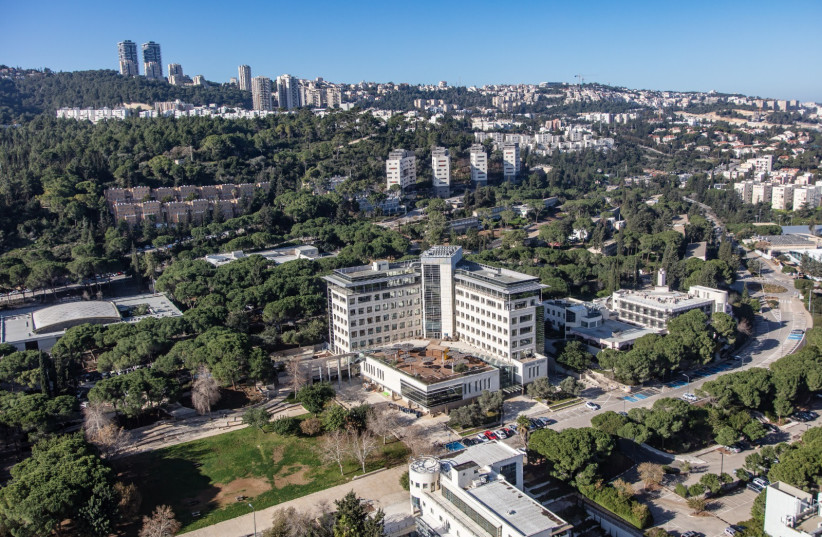
Aerial view of the Technion Israel Institute of Technology (credit: TECHNION SPOKESPERSON’S OFFICE)

“Hundreds of our faculty members apply advanced AI-based methods across a wide range of fields, including data science, medical research, mechanical engineering, civil engineering, architecture, and biology, and I am confident this trend will only intensify,” he added.

Technion transforms academic achievements into commercial applications

According to a statement by the institute, the Technion’s AI research achievements have been translated into commercial applications, mainly using the T3, the Technion’s technology transfer arm.

Among the most important are Firefly Neuroscience (brain health), founded by Dr. Shahaf Goded and which went public in 2024; DECI AI (deep learning), founded by Prof. Ran El-Yaniv and acquired by NVIDIA; and Autobrains (autonomous vehicles), founded by Prof. Yehoshua Zeevi.

Other important companies founded by Technion’s alums are Barcode Nanotech (in-body particle transport for therapeutic purposes), founded by Prof. Avi Schroeder, Pickommerce AI Robotics (robotics), founded by Prof. Elon Rimon, Nol8 (data processing), founded this year by Prof. Mark Silberstein, Metasight Diagnostics (bioinformatics), founded by Prof. Tomer Shlomi, and SleepAI (sleep research), founded by Prof. Joachim Behar.

Ali Ayoub told the Globes Putting the North at the Center Conference that Nvidia does not see the north as a periphery but as the center of the AI revolution.

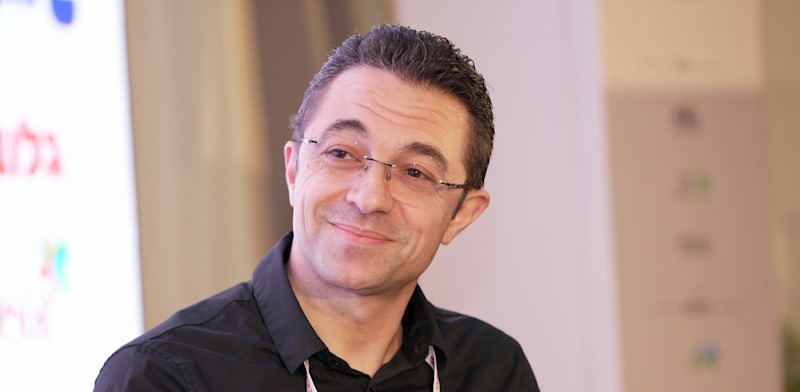
“I was born and raised in the (Galilee) village of Majd al-Krum and was infatuated by the field of technology from an early age. I remember my father buying us a computer, which was not a given. I shared the computer with my brothers,” Nvidia VP software engineering Ali Ayoub told Globes technology editor Assaf Gilead at the Globes Putting the North at the Center Conference held in cooperation with Bank Leumi and Strauss Group.

Nvidia VP Ali Ayoub credit: Cadya Levy

Ayoub spoke about AI and if it will replace engineers and juniors, how to hire employees in the North, how to integrate Arab society into tech professions, Nvidia’s cooperation with academia, and how he reached his current position at Nvidia. Ayoub’s path to Nvidia VP included several stages: he earned a degree in computer engineering at the Technion – Israel Institute of Technology, worked at Mellanox, moved to the US where he worked at Google and founded a startup, and after 10 years he returned to Israel and Mellanox, and remained there even after the acquisition of Nvidia. At the US chip giant, he founded the DOCA feature group and today manages hundreds of employees at Nvidia in Israel and around the world. He is also cofounder of the HAAT food delivery company.

When asked why he chose to return to Israel, he replied: “People usually ask why I left the center of the country and came to the north. I left the center of the world, Silicon Valley, and returned to the north. This is home. In high-tech, they always talk about the importance of work-life balance, the north is ‘life’, and also being close to family and Nvidia is ‘work’. For me, the stars aligned and looking back, this is one of the best decisions I made.”

Nvidia is to build a large development center in Kiryat Tivon over the next decade for 8,000-10,000 employees. Why in the north and specifically in Kiryat Tivon?

“The north has excellent human capital, and tech companies are really looking for the best. In the north, first of all, there are very good universities. Also in general, if you want to find good people, it is worth looking where others are less likely to look. In Nvidia’s eyes, the north is a place with excellent human capital and a place for growth, and it is no coincidence that they chose Tivon. From our point of view, there is raw material here and it is full of talent that we would be very happy to recruit to Nvidia to reach even further and greater growth. In my opinion, not only is there talent here, but also untapped talent here.”

Can you expand about Nvidia’s activities in Israel?

“Nvidia Israel, which employs 5,000, is the company’s biggest branch worldwide outside the US. The employees are the nervous system of data centers. They focus on the field of networking and the transformation of AI. Nvidia makes the GPU (graphics processing unit), the AI engine, and if hundreds of GPUs were once enough to build AI data centers, today thousands are needed. They must be connected to a very fast network, and this is where Nvidia Israel comes in. We provide these fast networks. This is the beating heart of the AI revolution not only in Israel, but around the world.”

How do you hire employees in the North?

“Firstly, you have to believe that they exist, look for them and then find them. It’s a matter of cause and effect. In all kinds of jobs, not just in high-tech, there is a lot of stress on the balance between work and home. The North brings the home part and we have to work on the work part. So, companies must set up branches here and focus on here and create the opportunity to work in quality jobs. This is, in my opinion, the number one element that will keep people here. Nvidia does not see the North as a periphery but sees it as the center of the AI revolution, and you have to believe in it and see it and when you look, you find it.”

Are you working with universities in order to build a pool of employees in the future?

“For us, universities are not just a collaboration, but complement us. This is not done as a favor to the universities, but we want to bring the best to us. Personally, every two months, there is a high school or school that comes to visit. It starts even before the universities.”

Ayoub spoke about collaboration with the universities: “We work very closely with them. This is reflected in job fairs, and we have a program that provides AI tools to lecturers and students, and this brings us very close together.”

On the change required in universities and the integration of AI tools, he said, “I think universities are changing. They also turn to us and we suggest how to change the syllabus and courses. The juniors and students we hire do an excellent job and integrate into AI very quickly. We take people when they have the basic tools, and we do the education and use of AI tools within the company.”

On the difficulty of juniors finding tech jobs, he said, “We hire a lot of juniors and we are at the center of the AI revolution that will require more work. We need to hire people. The reason we are doing this is because we believe in juniors and do not believe that AI will replace them.”

“Whoever doesn’t use AI will get left behind”

You are Nvidia VP software engineering, and this is the area most vulnerable to the impact of AI. There are companies where employees and programmers have not programmed for six months. Do you believe that the programmer will be replaced by AI?

“Not at all. AI will not replace the engineer, but any engineer who does not use AI will be replaced by another engineer who does use it. Almost every engineer at Nvidia uses AI. Things that take weeks to do alone, today can be done in days or hours. It is such an essential tool that anyone who does not use it will be left behind. AI will certainly create new jobs for those who look at it from the right angle.”

What would you recommend to your young children when they grow up to study: software or electrical engineering?

“You cannot do one without the other. I studied software and work in it, but the software I make is software that complements the hardware. The hardware is the body and the software is the mind. You cannot have a body without a mind and vice versa. They complement each other.”

You have previously told me that when you were growing up, your family took it very hard that you went to study computer engineering.

“My parents wanted me to be a doctor, maybe to this day,” laughs Ayoub. “I remember when I wanted to enroll in school, there was the option to give two majors. But I asserted myself, and I only registered the first major.”

How has Arab society changed in recent years and how easy is it for young people to integrate into the tech industry?

“We see them at the Technion, but many give up after their degree and go do other things. But still, almost 16% of the students today in technology subjects are from Arab society. At the Technion, close to 20% of students are Arab, which is very close to the percentage of the population. 50% of Arab students are female students, and this representation we are very proud of. Tech companies are looking for diversity and we see it as a blessing and something good that brings better products.”

Ayoub stresses that more work is needed because there are not many entrepreneurs from Arab society: “Today there is more openness and exposure to technology and we need more role models to say ‘When I grow up, I will be a tech professional’. I think it is happening, but we need to give it more push.”

Full disclosure: The conference was held in cooperation with Bank Leumi and Strauss Group, and sponsored by Aura Investments, Tel-Hai Academic College, Propdo, and with the participation of Netivei Israel National Transport Infrastructure Co.

Patent registration involves prestige as well as significant money. Commercial companies file patents and reap major profits, but academic institutions also benefit from the innovations developed by their researchers.

Israel holds a respected position in this arena, and for the fifth consecutive year, the Technion – Israel Institute of Technology ranked among the Top 100 institutions for U.S. patent approvals.

The latest ranking places the Technion first in Israel, second in Europe, and within the list of the world’s 100 leading institutions for U.S. patent approvals in 2025. The Technion ranked 81st globally, with 46 patents approved during the year, and was the only Israeli university to make the Top 100. The top spot went to the governing body of the University of California.

The Technion’s approved patents span a wide range of fields, from artificial intelligence to 3D-printed structures, from smart drug delivery systems to advanced materials and quantum computing technologies.

Prof. Yuval Grofeni, Deputy President for Innovation and Industry Relations, said: “The Technion’s continued success at the forefront of patent approvals is a credit to our faculty members and their students, who constantly strive for excellence. Many invest not only in high-level research but also in translating their work into technologies and products that positively impact quality of life.”

The patent rankings are published by the National Academy of Inventors (NAI). The organization notes that U.S. patent registration enables academic and other institutions to convert original technologies into competitive products in the global market and make a tangible impact on consumers. The NAI ranking is based on data from the United States Patent and Trademark Office (USPTO) for 2025 and includes 100 institutions and approximately 10,000 patents.

Rona Samler, CEO of T3, the Technion’s technology transfer unit responsible for patent evaluation and licensing, added: “Behind every patent stands deep scientific thinking, and behind every licensing decision — responsibility for generating real-world value. T3 is tasked not only with managing patents but also with transforming knowledge into innovation through commercialization and company formation, thereby serving society, strengthening the economy, and contributing to the resilience and prosperity of Israel and the world.”

A research team from the Technion’s Wolfson Faculty of Chemical Engineering has developed an original technology for treating cancer using nanoparticles that carry no drugs at all, and has demonstrated its effectiveness against particularly dangerous and stubborn tumors

An innovative technology developed by researchers at the Technion-Israel Institute of Technology could lead to a fundamental shift in the cancer treatment paradigm. They created advanced nanoparticles that successfully halt aggressive triple-negative breast cancer tumours – without releasing a single drug molecule. The particles operate through a sophisticated interaction with the immune system, changing the rules of the game by delivering a biological message to the tumour microenvironment and to immune system cells.

Published in ACS Nano, the study was led by Ph.D. candidate Ofri Vizenblit, with the assistance of Ph.D. candidate Rawan Mhajne, under the supervision of Assistant Professor Assaf Zinger, head of the Bioinspired Nano Engineering and Translational Therapeutics Laboratory in the Wolfson Faculty of Chemical Engineering.

Triple-negative breast cancer is considered one of the most aggressive and difficult cancers to treat. It is characterized by rapid progression and high resistance to conventional therapies. The new paradigm change presented by Technion researchers is based on a revolutionary approach: instead of attacking the cancer cells themselves, it targets the environment in which they exist and develop.

Cancer cells employ a range of “strategies” to evade the immune system, which is supposed to identify and destroy them. One of the central strategies is recruiting immune cells to their side. In such cases, white blood cells known as macrophages –whose role is to protect the body – are “hijacked” by the tumour, support its growth, and prevent the immune system from attacking it effectively.

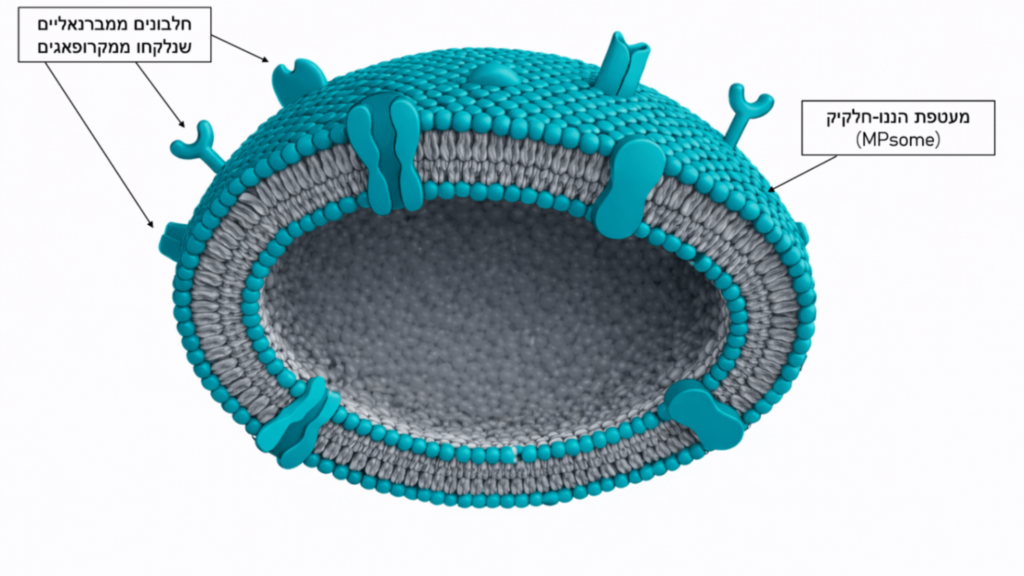
The nanoparticles developed by the Technion researchers, called MPsomes, act as a biological decoy. They compete with immune cells for binding sites in the tumor microenvironment and block the access of harmful cells to the tumor. The particles were tested in cell cultures and in preclinical mouse models of triple-negative breast cancer. The experimental results showed that the particles accumulate in exceptionally high concentrations around the tumor and inhibit its growth with effectiveness comparable to that of existing treatments.

An additional advantage highlighted by the researchers is manufacturability: the process developed at the Technion enables the production of approximately 20 ml of nanoparticles per minute (about 1.2 liters per hour). Moreover, the particle base is composed largely of materials that are recognised by the FDA as Generally Recognised as Safe (GRAS), a factor that may facilitate the transition to clinical trials and ultimately to medical use.

The results were particularly surprising: in pre-clinical experiments, the particles not only accumulated in the tumor but also inhibited its growth like the effects of advanced immunotherapies currently approved for clinical use, all without drugs, without chemotherapy, and without antibodies.

“This is a conceptual shift,” the researchers explained. “The therapeutic efficacy does not stem from the release of an active substance, but from the biological information encoded on the surface of the nanoparticle.” In other words, it is the interaction with the immune system itself that triggers the therapeutic effect.

Beyond inhibiting tumour growth, the researchers showed that the particles alter the composition of immune cells in the tumour environment: fewer cells that promote tumour development and more cells that attack it. In addition, no signs of toxicity were observed in vital organs.

The research is still at the preclinical stage and has so far been tested only in mouse models. Nevertheless, the researchers hope that in the future it will be possible to advance to clinical trials in humans and perhaps open the door to a new generation of cancer therapies, ones that do not rely on drugs at all.

Assistant Professor Assaf Zinger earned his bachelor’s degree from the Technion Faculty of Biomedical Engineering and his Ph.D. from the Wolfson Faculty of Chemical Engineering. He returned to the Wolfson Faculty as a faculty member in October 2021 after completing a postdoctoral fellowship at Houston Methodist Hospital in Texas. Ofri Vizenblit, also a graduate of the Technion Faculty of Biomedical Engineering, joined Zinger’s laboratory immediately after completing her bachelor’s degree, and the current paper is part of her doctoral research. “Although we focused here on a specific type of cancer,” concluded Dr. Zinger, “this is a paradigmatic breakthrough that can lead to the development of new therapeutic platforms that are more effective and safer. I sincerely hope we will find the path to bring this invention to the clinic.”

The research was supported by the Israel Cancer Research Fund (ICRF), the Israel Science Foundation (ISF), the European Union (ERC Starting Grant), the Ministry of Innovation, Science and Technology (MOST), the Israel Cancer Association, the Russell Berrie Nanotechnology Institute at the Technion, and the Alon and Seiden Fellowships in nanotechnology and optoelectronics.

Technion and top US universities unveil implantable ‘living pancreas’ that senses glucose, produces insulin and evades immune response, paving the way for self-regulating, long-term diabetes treatment without daily injections

A multinational research team led by an Israeli engineer and involving top U.S. universities has unveiled a pioneering implantable device that could someday eliminate the need for daily insulin injections for people with diabetes.

The study, published Jan. 28 in Science Translational Medicine, describes a living, cell‑based implant that functions as an autonomous “artificial pancreas.” Once placed in the body, the device continuously monitors blood glucose levels, produces insulin internally and releases exactly what the body needs — without external pumps, injections or patient intervention.

The breakthrough centers on a novel protective technology researchers call a “crystalline shield”, engineered to prevent the body’s immune system from rejecting the implant — a major hurdle that has stymied cell‑based therapies for decades. The shield allows the implant to operate reliably for years.

Tests in mice showed effective long‑term glucose regulation, and studies in non‑human primates confirmed that the cells inside the implant remain viable and functional, the researchers said. Those results, they added, provide strong support for future clinical testing in humans.

The work was led by Assistant Professor Shady Farah of the Technion — Israel Institute of Technology’s Faculty of Chemical Engineering, in collaboration with scientists at the Massachusetts Institute of Technology, Harvard University, Johns Hopkins University and the University of Massachusetts. The collaboration traces back to Farah’s postdoctoral work beginning in 2018 at MIT and Boston Children’s Hospital/Harvard Medical School, under tissue‑engineering pioneers including Robert Langer, a co‑founder of Moderna.

Assistant Professor Shady Farah

Farah’s co‑first authors on the paper are Matthew Bochenek of MIT and Joshua Doloff of Johns Hopkins. Other contributors include Technion researchers Dr. Merna Shaheen‑Mualim and former master’s students Neta Kutner and Edward Odeh, who also helped adapt the work for publication.

While the initial focus is on diabetes, the team emphasized that the platform could one day be adapted to deliver other biologic therapies continuously, offering a new approach to chronic conditions such as hemophilia and other metabolic or genetic diseases.

If successfully translated into human treatment, experts say the technology could reshape the management of chronic illness by replacing lifelong drug regimens with self‑regulated, living therapeutics working continuously inside the body.

The special collaboration will help advance Israeli innovation, energy security, and civil aviation. After concluding the project feasibility study, Boeing and the Technion announce advancement to the next stage of practical development

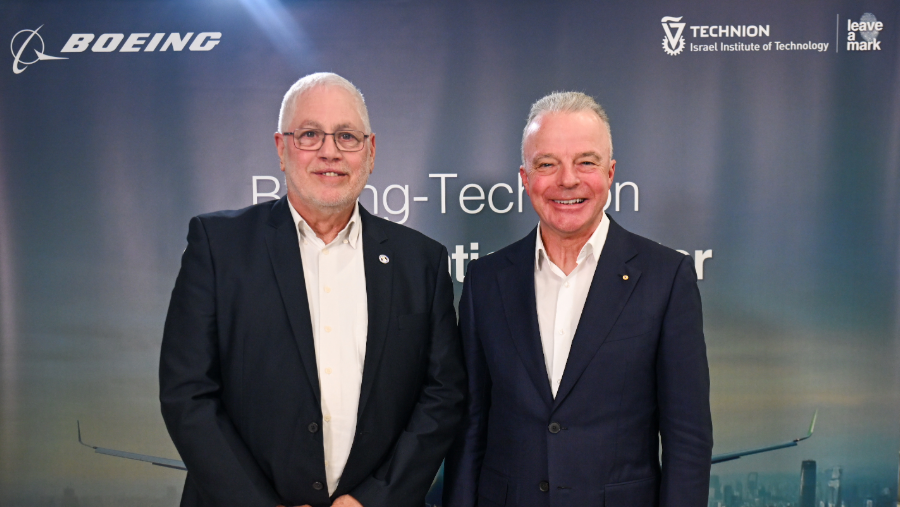
January 27, 2026 – Dr. Brendan Nelson, President of Boeing Global, visited the Technion yesterday to mark a milestone in the activities of the Boeing–Technion Innovation Centre for Sustainable Aviation Fuel (SAF) and to launch the implementation phase. This strategic partnership, the Boeing–Technion SAF Innovation Centre, was launched in 2023 to develop sustainable fuels for the aviation industry. According to the project partners, aviation’s long-term growth will be enabled by producing SAF from feedstocks including green hydrogen and carbon dioxide, and the joint centre will advance this process to a level that enables commercial production at a competitive cost.

Also participating in the visit on behalf of Boeing were Boeing Israel President Maj. Gen. (res.) Ido Nehushtan and Haggai Mazursky, Head of the SAF project. The Boeing delegation was welcomed at the Technion by Technion President Prof. Uri Sivan; Vice President for Research Prof. Noam Adir; Vice President for Innovation and Industry Relations Prof. Yuval Garini; and Head of the Centre Prof. Gidi Grader of the Wolfson Faculty of Chemical Engineering.

Dr. Nelson, a physician by training, previously held senior positions in the Australian government, including Member of the Australian Parliament, Minister of Defence, Minister for Education and Science, and Ambassador to Europe. During his visit to the Technion, Nelson said: “In addition to delivering high-quality fuel-efficient airplanes to our customers, Boeing works globally and regionally to enhance energy security, support the growth of the civil aviation industry, and create new economic opportunities through sustainable aviation fuel and other technologies. We are pleased to partner with Technion and other stakeholders in the SAF Innovation Centre to support Israel’s aerospace industry.”

“This is a historic collaboration of national importance for the State of Israel,” said Technion President Prof. Uri Sivan. “The partnership with the global aviation leader, Boeing, is, for us, a vote of confidence in the Technion, its researchers, and our technological capabilities. Through this collaboration, Technion experts are taking on a tremendous mission: to develop technologies for producing clean fuels through sustainable processes, thereby making a significant contribution to aviation—and no less importantly, to human health and the environment. I do not doubt that we will meet this challenge, just as we have met many others over the past hundred years.”

“Boeing has been active in Israel since before the establishment of the State and serves as an important supplier to El Al and the Israeli Air Force,” said Maj. Gen. (res.) Ido Nehushtan, President of Boeing Israel. “Israeli industries are now key suppliers to Boeing, and many Israeli systems are integrated into the company’s products worldwide. Boeing has continued to deepen its research and development ties with academia and industry in Israel, as well as its investments in the high-tech sector.” The President of Boeing Israel added that the collaboration between the Technion and Boeing will pave the way for the development of Israel’s most advanced technologies and capabilities, which will be integrated into future generations of aerospace systems around the world.

The Boeing–Technion partnership was initiated by Boeing and includes partners from across the industry and government in Israel. The Israeli Government has provided measures and financial support to accelerate the Israeli SAF industry, which include Israel’s Ministry of Innovation, Science, and Technology establishing the ISAF research consortium and the Israel Innovation Authority launching SAF-IL which is an incubation program for Israeli start-ups dealing with SAF development.

To lead this groundbreaking vision for the development of SAF, Boeing partnered with Prof. Gidi Grader of the Technion’s Wolfson Faculty of Chemical Engineering to establish the centre, which has now completed its proof-of-concept phase. As part of the partnership, 11 Technion faculty members and dozens of doctoral students from five different faculties are working on various aspects of aviation fuel production, including efficient and competitive manufacturing; theoretical aspects of catalytic reactions and fuel combustion; safety considerations; full life-cycle analysis; and the establishment and operation of an experimental fuel-testing facility at the Technion, which will be only the second of its kind in the world.

The announcement of the Boeing–Technion partnership was originally planned for October 2023. Despite the events of October 7 and the war that followed, the decision was made to continue with the technical work, as Dr. Nelson explained several months later: “We launched this initiative, a project of resilience and innovation in the spirit of the Jewish people and the State of Israel, shortly after the horrific October 7 attack. When I met the Prime Minister a few months earlier, I told him that if there is one country in the world capable of solving civil aviation’s emissions challenge, it is Israel, led by the Technion—the Israeli MIT.”

Now, two years later, following the completion of the initial feasibility phase, senior Boeing executives were presented with the progress achieved to date, and the second phase of the initiative was launched: the development of SAF produced from green hydrogen and carbon dioxide, and the advancement of the process to a level that will enable competitive commercial production.

What if a single breath — or a small wearable patch — could reveal disease long before symptoms appear? For years, Prof. Hossam Haick of the Technion – Israel Institute of Technology has been turning that revolutionary idea into a reality. By identifying invisible chemical signals emitted by the human body, Prof. Haick has helped transform how illness can be detected: faster, earlier, and without invasive tests.

Global Recognition for Transformative Innovation

His pioneering research has opened new paths for diagnosing cancer, neurological disorders, infectious diseases, and more — using breath, skin, and advanced sensing technologies rather than needles or radiation. That life-changing work has led to Prof. Haick’s election as a Fellow of the U.S. National Academy of Inventors. This prestigious distinction is widely recognized as one of the highest professional honors for academic inventors worldwide, reflecting broad international recognition of Prof. Haick’s scientific achievements, groundbreaking inventions, and far-reaching impact on health care, technology, and education.

Prof. Haick is among a select group of researchers and inventors worldwide who have completed the full innovation cycle: from basic scientific discovery, through technological development, to real-world impact that touches the lives of millions.

In an academic landscape where basic and applied science are often separate, he stands out as someone who bridges the two worlds, translating deep scientific discoveries into clinical and technological tools with global influence.

His work led to the emergence of a new scientific field — volatilomics — which studies the chemical “fingerprints” the body emits through breath and skin.

A New Vision for Early, Noninvasive Diagnosis

This groundbreaking discovery has led to fast, noninvasive tests that give accurate results in just minutes and are used in medical centers worldwide. Additionally, Prof. Haick’s team has created smart patches that can monitor health from afar, along with new imaging tools that use chemical signals instead of radiation. These tools help doctors catch diseases early and provide personalized health care.

Beyond the Laboratory

Prof. Haick has also translated innovation into real-world impact. He holds dozens of patents and has founded several startup companies that bring advanced diagnostics, wearable devices, and electronic sensing technologies into practical use. He also founded and leads seven European Union research consortia, uniting more than 70 partners across four continents to accelerate the development and clinical adoption of advanced medical technologies.

Educating the Next Generation of Innovators

Equally significant is Prof. Haick’s role as an educator and mentor. He has published more than 500 scientific papers, authored two books, and supervised over 110 graduate and postdoctoral researchers, many of whom now lead research groups and technology companies of their own. His pioneering online course on nanotechnology and nanosensors — the first of its kind — has reached more than 1 million learners in 87 countries, extending Technion research and educational impact worldwide.

A Moment of Great Honor

Prof. Haick will be formally inducted into the NAI on June 4, 2026, at the Dolby Theatre in Los Angeles. During the ceremony he will receive a medal, certificate, lapel pin, and rosette from the NAI President and the representative of the United States Patent and Trademark Office. This extraordinary achievement reflects both Prof. Haick’s personal excellence and the Technion’s enduring mission to advance science that improves lives around the world.