Israeli medical device company SoniVie, announced on Sunday that it received Investigational Device Exemption (IDE) approval from the US Food and Drug Administration for its REDUCED1 (Renal Denervation using Ultrasonic Catheter EmitteD energy) pilot study to treat resistant hypertension patients with renal artery denervation using its proprietary therapeutic intra-vascular ultra-sound system, or TIVUS.
Renal denervation with TIVUS is a minimally invasive procedure that uses high-frequency non-focused ultra-sound energy to burn away nerves in the renal artery. The TIVUS catheter is inserted into the pulmonary artery and selectively damages nerves afflicted by the disease without touching vessel walls or damaging adjacent tissues. This causes a reduction in the nerve activity, which decreases blood pressure and is meant for patients who suffer from resistant hypertension.
Resistant hypertension is defined as blood pressure that remains higher than 140/90 mmHg despite the use of three hierarchical classes of antihypertensive medications at their most appropriate tolerated doses. The condition affects millions of people around the world, increasing the risk of heart attack, stroke, and kidney failure.
Founded in 2014, SoniVie has developed a first-of-its-kind ultra-sound denervation platform with active programs establishing nuanced therapeutic solutions for pulmonary hypertension denervation, renal artery denervation for resistant hypertension, and lung denervation for obstructive pulmonary disease with chronic bronchitis.
“We are very pleased that the FDA has approved the REDUCED1 study,” said Christian Spaulding, chief marketing officer of SoniVie. “Sites initiation has started, and many clinical teams have responded very favorably about participating in the study.
“There is a significant number of patients that may benefit from our technology and we are genuinely happy for this important step towards the introduction of TIVUS in the US,” he added. “There is a lack of effective therapeutic solutions for patients suffering from resistant hypertension, and physicians are looking forward to a safe, effective and easy to use device treatment.”
“This is a significant US regulatory milestone for SoniVie, starting the feasibility study using the ultra-sound ablation platform in the US for the renal denervation indication,” said Tomaso Zambelli, CEO of SoniVie. “This is a major step and priority in the company’s history.”
On this World Blood Donor Day, let’s explore some Israeli tech that is making a difference to one of our most vital components: our blood
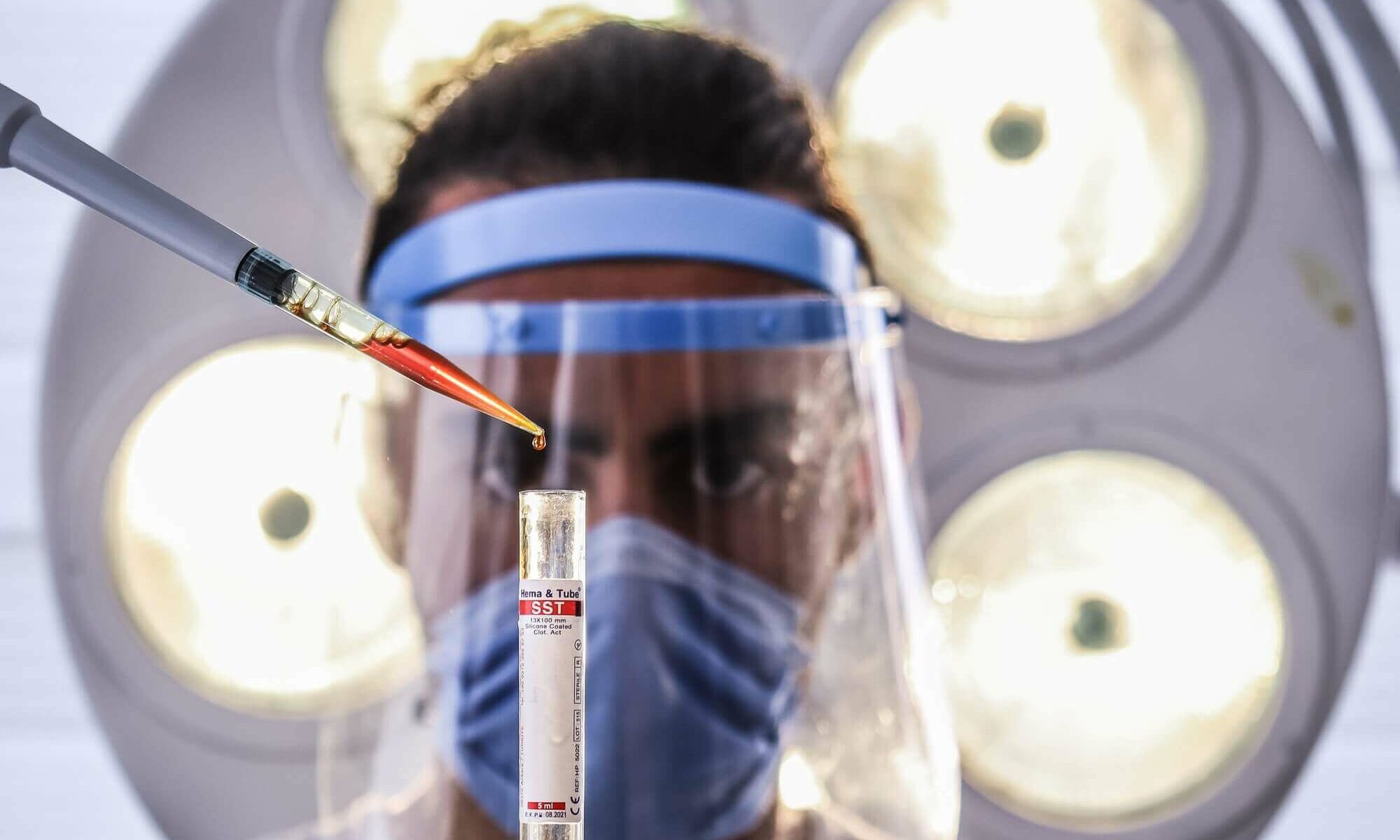
Hematological awareness is important as body vitality is exclusively dependent on blood flow. Blood is our natural producer of oxygen and carbon dioxide, and it is also a key mechanism for medical identification. For decades, doctors have prioritized blood analytics and testing as these results present in-depth information regarding diagnostics, treatment methods, and one’s overall physical state. Blood is as much the cure as it is the cause– blood donations are organized worldwide to act as a remedy for the shortage of blood and blood products that can single-handedly save hundreds of lives. Here in Israel, MedTech’s innovative efforts have always been advanced, yet amidst the effects of COVID-19 and how it continues to modify all spheres of society, Israeli MedTech innovations are at an all-time high. With the focus strictly on blood analytics, Israel’s start-up environment has pushed forth incentives and actions that have seemingly revolutionized how blood can be analyzed, detected, and measured. Here are some Israeli startups that play a role in hematology solutions.
PixCell
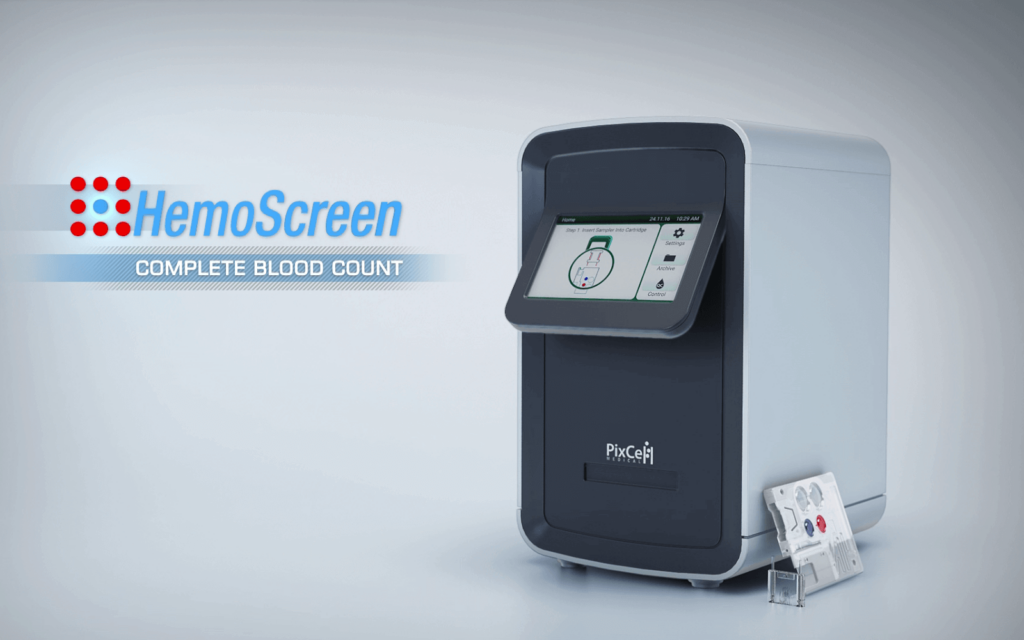
Blood diagnostic information, in most cases, does not do enough to create an effective impact on immediate health solutions and products. The devices and technologies that have been used thus far do not provide doctors and patients with substantial information when it matters most. Moreover, real-time blood testing is not accessible to everyone which presents numerous implications when patients are in emergencies. These obstacles have disrupted medical efforts for decades as there is a pressing need for in-depth, easily accessible blood diagnostic tools. In an accidental discovery made by a team of researchers at the Technion (Israel Institute of Technology), Viscoelastic Focusing (VEF) has been recognized as the saving grace toward efficient cell analytics. The Israeli startup PixCell has created the HemoScreen that uses advanced technology making use of VEF potential. This product uses a disposable cartridge with specific reagents to elicit a Complete Blood Count test. HemoScreen does not require maintenance or calibration and is versatile to fit the precise needs of its user.
PixCell was founded in 2008 with a keen focus on simplifying and regularizing real-time blood testing worldwide. Their research and entrepreneurial staff have surpassed company expectations with the discovery of Viscoelastic Focusing (VEF), paving a way for pivotal advancements in hematological efforts. Their team consists of Avishay Bransky (CEO, Co-Founder), Prof. Max Herzberg (Co-Founder), Armin Schon (CCO), Hanan Ben-Asher (COO, BD Manager), Mark Erez (CFO), Yaara Ben-Yosef (Director of RA and Clinical Affairs), and Eitan Hod (Director of QA and RA). PixCell has raised over $7 million in grant funding from the European Commission, the International Health-Tech Pilot Program, and the Israel Innovation Authority. In 2021 PixCell was acquired by Soulbrain Holdings.
RedC Biotech
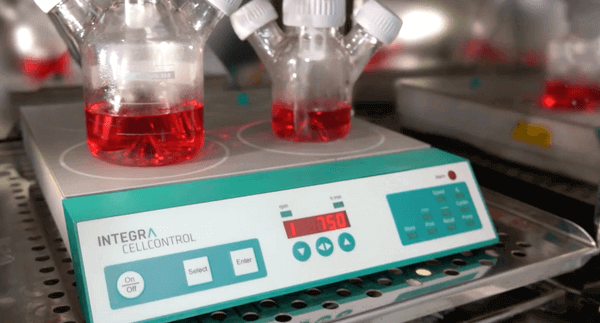
The global supply of red blood cells has seeped far under worldwide medical demands. This shortage has served as a detriment to medical interventions such as trauma, childbirth, operations, chronic illness, cancer, and the list goes on. Red blood cells are the oxygen-carrying capacity of the body which is why 120 million blood units are donated each year, yet there is still a concerning decrease in these donations. Blood drives and donation sites, although they function as a temporary solution, are still not enough to compensate for the urgency in transfusion methods, productions, and resources. The Israeli startup RedC Biotech has initiated a “one blood type fits all” method with RedC Universal Red Blood Cell Transfusions. This product is suitable for almost every patient and provides a uniform potency. It is pathogen-free and donor free and also eliminates undesirable blood components as well as additional hospital testing.
Credit: RedC Biotech
RedC was founded in Haifa in 2015 by Dr. Ari Gargir. Over the past couple of years, the company has received $1.4 million in pre-seed and seed funding from PipelBiz. Their revolutionary technology addresses issues associated with industrial red blood cell production, and cost reductions. From the lab to global production, Red C Biotech is eager to scale the count of red blood cells to save lives worldwide. RedC has a small employee base but is growing in accordance with its production timeline.
Improdia
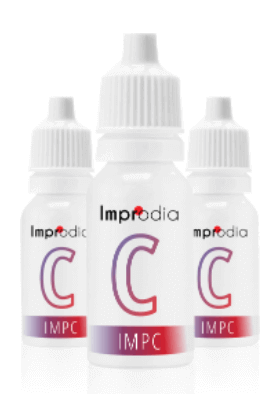
Current diagnostic tests cannot distinguish between acute and chronic inflammation, as well as monitoring immune functions that are pivotal for personalized treatment methods. With Improdia’s array of Unique BioMarkers, the innovative diagnostic company has developed a simple way to supervise inflammation levels for patients suffering from autoimmune and cancer diseases. ImproDdia’s technology department has made substantial discoveries enabling pharma companies a kickstart in their drug development processes as well as suggesting personalized treatment methods. Improdia’s Diagnostic Kit includes three easy-to-use, unique biomarkers with three distinct functions: the IMPC (for chronic inflammation), IMPI (for immunotherapy), and IMPD (for diabetes complications. IMPC evaluates the immune status and inflammatory pain levels of those with niche medical implications. It aids physicians in selecting the type and timing of specific treatments as well as monitoring the efficacy of such treatments. IMPI is a prognostic test for the efficiency of immunotherapy. It monitors the immune status of cancer patients before immunotherapy or chemotherapy. IMPD is a prognostic test for diabetes complications as it predicts the occurrence of these complications before they are medically obvious.
Improdia’s team consists of Miriam Lerner (Founder, Co-CEO, CTO), Gil Pogozelich (Chairman), Dr. Roy Eldor (Medical Director), Prof. Michal Baniyash (Inventor), and Prof. Ido Wolf (Member of the Scientific Advisory Board). The company has been based in Herzliya since 2012 and continues to aid doctors and patients in the diagnostic and management endeavours of those with chronic immune-mediated diseases.
Sight Diagnostics
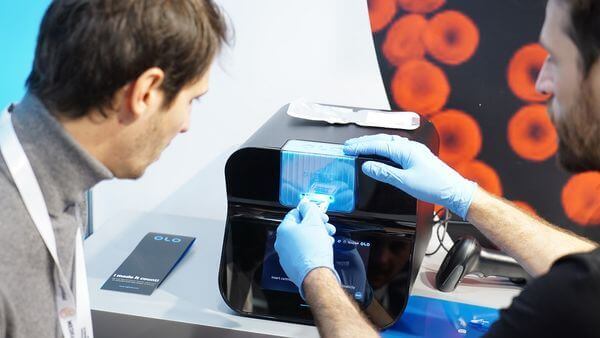
Sight’s technology represents breakthrough innovations in diagnostic methodology. Their latest blood analyzer, Sight OLO, performs a Complete Blood Count, the most ordered blood test, in minutes. It’s compact and designed to be used in a variety of settings. OLO creates a digital version of a blood sample by capturing more than 1,000 highly detailed images from just two drops of blood obtained from a finger prick or venous sample. These images are then interpreted by proprietary and fully automated AI algorithms, and the results are available within minutes.
Sight OLO provides 5-part differential complete blood count (CBC) results with 19 parameters and sophisticated flagging capabilities, for on-site testing. It is the first CBC analyzer that is FDA 510(k) cleared for blood taken directly from either a finger prick or a venous sample. Sight OLO has been validated for use in patients 3 months and above, in a variety of CLIA-certified (Clinical Laboratory Improvement Amendments) moderately complex clinical settings such as hospitals, emergency departments, oncology clinics, pediatric practices, and urgent care locations. The sample preparation process can be completed in under one minute, with the full results ready in minutes on a touchscreen interface, printout, email, or via LIS (Latent Semantic Indexing)/middleware. Sight OLO comes factory calibrated for a quick setup with internal Failsafe systems and requires no maintenance. Its minimal training and step-by-step on-screen guidance are designed to be used by operators with any level of experience. OLO also has an Operator Management feature that allows for complete control over who can access the device, including traceability of operator activities.
Sight OLO was founded in 2011 by Yossi Pollack (CEO) and Daniel Levner (Chairman of the Scientific Advisory Board). The company is based in Tel Aviv, London, and Brooklyn with 300 employees. With investments from Koch Disruptive Technologies, OurCrowd, and Longliv, Sight Diagnostics has raised over $120 million to date. Sight has gained worldwide traction with partners eager to use and expand the company’s advanced technology. Among them are Boston Children’s Hospital, Oxford University Hospitals NHS Foundation Trust, and Nicklaus Children’s Hospital in Miami.
EFA
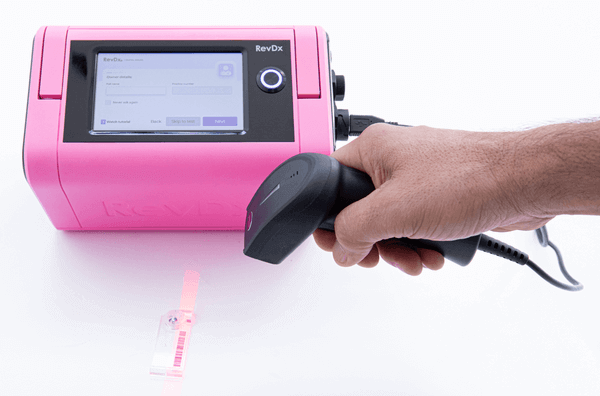
Handheld blood test diagnostic tools are not affordable for the average patient and consumer. Most of these tools require laboratory conditions and specific preparations which fail to account for real-time informed decisions an individual may have to make. Israeli startup EFA developed RevDx™, a revolutionary, European Commission-approved, mobile, and fully automated diagnostic system to be used for different care, including primary care physicians, home care, emergency care, and remote care. RevDx™ is easy-to-use; from a finger prick, you get results within minutes. The application provides a Complete Blood Count test, the most requested hematology test worldwide which provides indications for broad clinical conditions such as infections, disease, fever, immune system, and anemia.
Founded in 2016 by Yoel Ezra (CEO), an engineer and a physicist who served in a technological-operation unit in the IDF for over 23 years, EFA is acting to develop the RevDx solution as a platform that will enable the creation of more diagnostic applications over time. Among the company’s investors are Maccabi Healthcare Services, eHealth Ventures, Merchavia, and Medison. The company currently employs 12 people.
OrSense
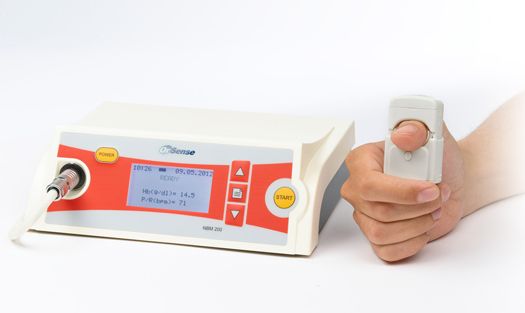
Diverse clinical settings have not found easy nor accurate methods to measure blood parameters as current testing devices and tools are not appropriately equipped for such conditions. The key to medical testing is to establish a comfortable environment for any and all patients; with invasive monitoring, though, this element is rather ignored. Israeli startup OrSense works to transform patient health through non-invasive monitoring as they develop and commercialize innovative monitoring technologies focused primarily on donor and patient comfort. Using their revolutionary SpectOLight ™ Occlusion Spectroscopy Technology, OrSense has developed the NBM 200 Device that detects blood hemoglobin (Hb), oxygen saturation levels and pulse rate (PR) values. Patients place their fingers on a ring-sensor probe where the portable desktop attached to the monitor device calculates and displays the figured measurements. To make matters even easier and more efficient, OrSense has developed a software application attached to the device that allows for Tablet or Smartphone use.
Since 1996 OrSense has been working worldwide to overcome key obstacles that do not account for comfortable, accessible, and efficient blood parameter testing. For over 20 years, OrSense has made substantial adjustments toward non-invasive monitoring technologies: the intellectual property portfolio at OrSense consists of 51 granted patents and over 20 additional applications. So far, OrSense has raised over $44.4 million in seed and grant funding from Israel HealthCare Ventures, Star Ventures, Saints Capital, The Lewis Trust Group, and Shimon Eckhouse. Their team consists of Yoav Resiman (Founder and CEO), Aharon Weinstein (VP of Research). Asher Zysman (CFO), and Chip Neff (President). OrSense is located both in Tel Aviv, and Raleigh, North Carolina, USA.
PatenSee
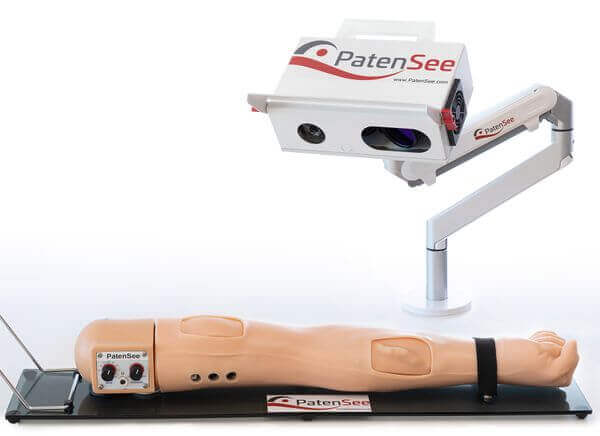
Patients who suffer from renal failure are required to be connected to a hemodialysis machine for a few hours, 2-3 times a week, via a fistula on the patient’s arm. The fistula is the point of connection between the hemodialysis machine and the patient for the treatment. One of the most dreaded complications for hemodialysis patients is fistula loss due to stenosis (blood clogging of the fistula) resulting in an inability to perform routine dialysis – a major risk to patient life. PatenSee is a medical device company (currently in the clinical stage) that has developed a contactless, machine vision-based, surveillance system for the early detection of vascular stenosis and/or a clogged fistula. The technology is designed to provide a very simple way to improve the quality of patient care and to support the nursing staff in the hemodialysis center without adding any burden on the patient or the clinic. The system can also be adapted to home use adding a critical diagnostic feature to home dialysis.
PatenSee was founded in 2019 as a portfolio company of MEDX Xelerator, a MedTech incubator working under a license from the Israel Innovation Authority. Hagay Drori and Oz Seadia founded PatenSee based on an unmet need presented to the MEDX Xelerator by a major strategic player in the dialysis field. Dr. Gal Goshen, PatenSee’s CEO, led it from its early concept through its first-in-human 60-patient clinical study, conducted less than two years after the company’s founding. PatenSee is currently raising a Series A round and is preparing for a multi-center, international, clinical trial of its second-generation imaging system.
ILAN founder aims to create warm ties with Israel among the growing Spanish-speaking population.
The Israel Latin America Network (ILAN), established last year by Jewish Mexican-Syrian businessman and philanthropist Isaac Assa, is expanding to the United States, Costa Rica, Chile, Guatemala and other countries in Central America.
“Over the last year we directly developed unique connections between the State of Israel and Latin American countries,” said Assa on June 9 at ILAN’s first award ceremony, held in partnership with the Peres Center for Peace and Innovation in Tel Aviv-Jaffa.
“Through ILAN, we formed strategic alliances with a number of branches throughout America, which will strengthen the economic, diplomatic and social resilience of the countries,” Assa said.
“In a few years, the Spanish-speaking population in the United States will increase to 100 million people, and therefore strengthening these connections is a supreme goal in the interest of the states and the peoples. With the help of the Israeli brain, the innovation and the local courage, we will be able to make groundbreaking international achievements.”
ILAN presented Shimon Peres Lifetime Awards to internationally prominent Israelis who have promoted relations between Israel and Latin America in the areas of health, quality of environment, economy and technology.
Among the recipients were the Technion’s Prof. Shulamit Levenberg, who developed the technology behind Aleph Farms cultivated steak; Dr Amir Kereshonvich, chief of pediatric neurosurgery at Schneider Children’s Medical Center, who with his wife, Hila, set up a volunteer-led initiative to perform complicated brain surgeries on children from the developing world; Henrique Cymerman, an Israeli journalist of Portuguese-Sephardi descent who serves as the Middle East correspondent for a several media outlets and is president of the Chamber of Commerce between Israel-Jordan and the Persian Gulf States; Tato Bigio, founding partner and CEO of UBQ Materials, which converts household waste into recyclable raw materials; and Ella Castelenus, a new immigrant from Mexico who founded Hola – Land, a platform that connects Latin America and Israel, and a partner in Cantera Capital, a fund for enterprises in Israel and Mexico.
The Technion-Israel Institute of Technology and Rambam Health Care Campus together with philanthropists Andi and Larry Wolfe, announced the establishment of the Wolfe Center for Translational Medicine and Engineering
The Technion is one of the few academic institutions in the world in which the Faculty of Medicine operates alongside engineering and scientific faculties. The university conducts extensive teaching and research activities in the fields of medicine as well as biomedical engineering, computing, design, and architecture.
The Rambam Health Care Campus is heavily active in the research and innovation fields through its partnerships with its Division of Research, technology transfer company Rambam MedTech, and the MindUp incubator in cooperation with IBM, Medtronic, and Pitango VC.
The Wolfe Center will elevate the partnership between Rambam and the Technion and will serve as a platform for comprehensive clinical applied research to advance human health technologies that address unmet clinical needs. Interdisciplinary teams will collaborate to solve human health issues, translate research insights into innovative therapeutic tools, and train the next generation of doctors and engineers.
The Center will be located within the Rambam campus inside the Helmsley Health Discovery Tower and serves as the first joint project of its kind between Rambam, academia, and the biomedical high-tech industry. The Tower will also host centers of excellence, clinical institutes, innovation centers, and several start-up companies, alongside an exhibition and visitor center.
“Research and innovation are critical components in the success of the healthcare system in the 21st century. The tremendous contribution of the Wolfe family will enable us to increase our capabilities. Research is now a necessity for keeping Israeli doctors relevant in a competitive and constantly evolving field. The new center will allow us to convince doctors who are engaged in the difficult, demanding clinical field to continue to work in a large medical center, by providing opportunities for advanced research,” said MikI Halberthal, professor and general director of Rambam Health Care Campus.
“Human health is one of the greatest challenges facing humanity in the 21st century and coping with this challenge requires a combination of capabilities from different worlds of content, from the patient’s bed and the doctors around it, to scientists and engineers from a variety of disciplines,” said Technion President Professor Uri Sivan. “Today, the Technion is creating a revolution aimed at connecting all those disciplines to deal with major challenges in human health, and the Wolfe Center will express the combination of the capabilities of one of Israel’s leading hospitals with a world-renowned scientific-technological university.”
The Technion – Israel Institute of Technology signed a historic agreement with Morocco’s Mohammed VI Polytechnic University (UM6P) this week to promote academic cooperation between the two universities.
This document was said to be the first of its kind to be signed between these two institutions.
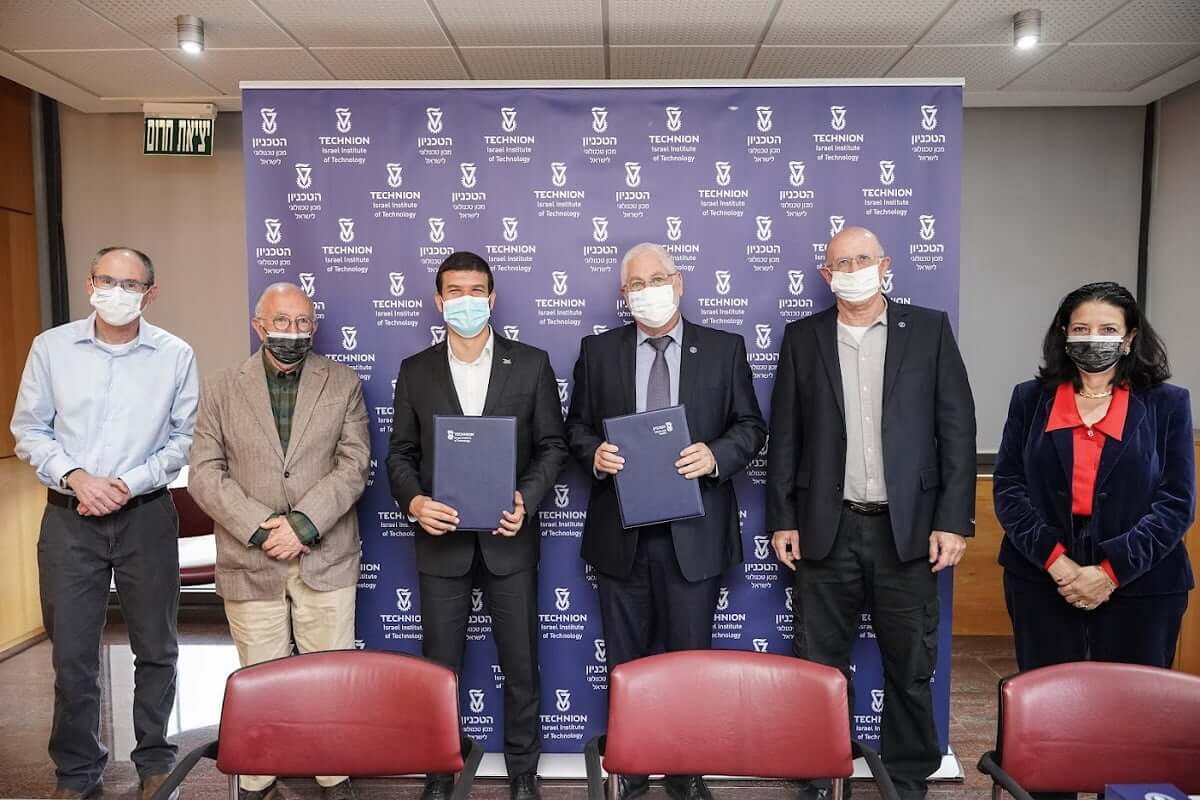
An agreement to recognize the academic collaboration was signed by UM6P President Mr. Hicham El Habti, Technion President Professor Uri Sivan, Senior Vice President of the Technion Professor Oded Rabinovitch, and Vice President of Research Professor Koby Rubinstein at a ceremony held at the Technion. The ceremony was chaired by Technion Vice President for External Relations and Resource Development Professor Alon Wolf.
The agreements were reached through the initiation of diplomatic relations between Israel and Morocco in December 2020 with the Abraham Accords.
Technion President Professor. Uri Sivan addressed the delegation and said that their visit to the Technion “reflects a rapid and dramatic historical change in the region. We at the Technion are determined to participate in leading this process and building bridges through education and research. Since the Abraham Accords, we have received delegations from the UAE and Bahrain, countries that none of us ever imagined would come to visit. Both of our institutions – the Technion and UM6P – educate young people and equip them for the future. The cooperation we are establishing here today goes beyond its academic value; it is our duty to the region and to the future of the next generation.”
“Today we are signing a piece of paper,” The President of Morocco’s Mohammed VI University, Mr. Hicham El Habti, said at the ceremony, “but what is more important is what is behind it – the mutual desire for cooperation, which will lead to student and faculty exchange from both institutions. It is an honor to be here at the Technion – and a great responsibility. We are part of a historic era, and we must continue to strengthen ties between Morocco and Israel. As a very young university, we are open to international cooperation and are delighted to establish this relationship with you.”
After the signing, both presidents exchanged gifts. Mr. Hicham El Habti gave the Technion President a book on the history of Moroccan Jewry, and Prof. Sivan gave the UM6P President a glass engraving bearing the symbol of the Technion.
In March, the Technion received a historic visit from a Moroccan delegation led by El Habti.
“There are many similarities between Morocco and Israel,” said Prof. Koby Rubinstein, Executive Vice President for Research of the Technion, “both in the physical terrain and climatic conditions, as well as in our people and interests. This cooperation is important to us and has every reason to be successful.”
“We introduce a novel, customizable three-dimensional interface for producing scalable structures, utilizing real data collected from coral ecosystems,” explains Ph.D. student Natalie Levy.
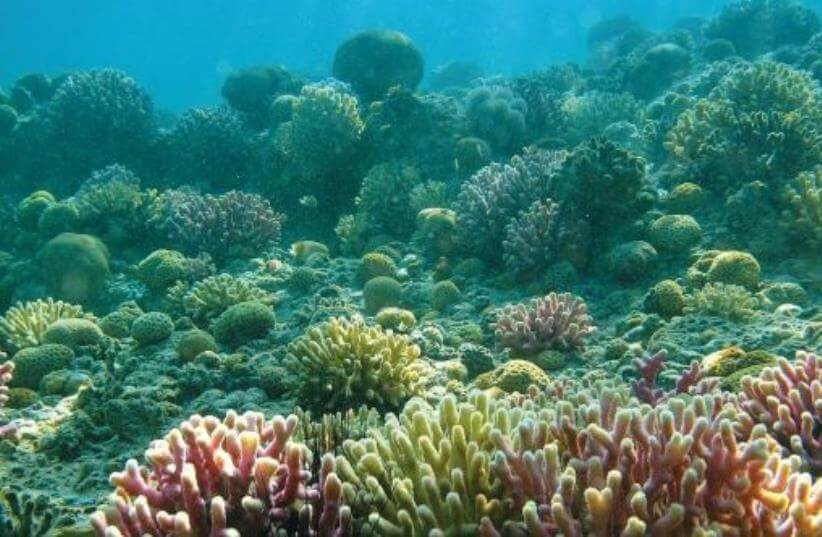
(April 29, 2022 / JNS) The world’s coral reefs are becoming extinct due to many factors such as global warming and accelerated urbanization in coastal areas, which places tremendous stress on marine life.
“The rapid decline of coral reefs has increased the need for exploring interdisciplinary methods for reef restoration,” explains Natalie Levy, a Ph.D. student at Bar-Ilan University in Ramat Gan, Israel. “Examining how to conserve the biodiversity of coral reefs is a key issue, but there is also an urgent need to invest in technology that can improve the coral ecosystem and our understanding of the reef environment.”
In a paper published in the journal Science of the Total Environment, researchers from four of Israel’s leading universities highlight a three-dimensional printing method they developed to preserve coral reefs. Their innovation is based on the natural structure of coral reefs off the southern coastal Israeli city of Eilat, but their model is adaptable to other marine environments and may help curb reef devastation plaguing coral ecosystems around the world.
The joint research was led by Professor Oren Levy and Ph.D. student Levy of the Mina and Everard Goodman Faculty of Life Sciences at Bar-Ilan University; Professor Ezri Tarazi and Ph.D. student Ofer Berman from the Architecture and Town Planning Faculty at the Technion–Israel Institute of Technology; Professor Tali Treibitz and Ph.D. student Matan Yuval from the University of Haifa; and Professor Yossi Loya of Tel Aviv University.
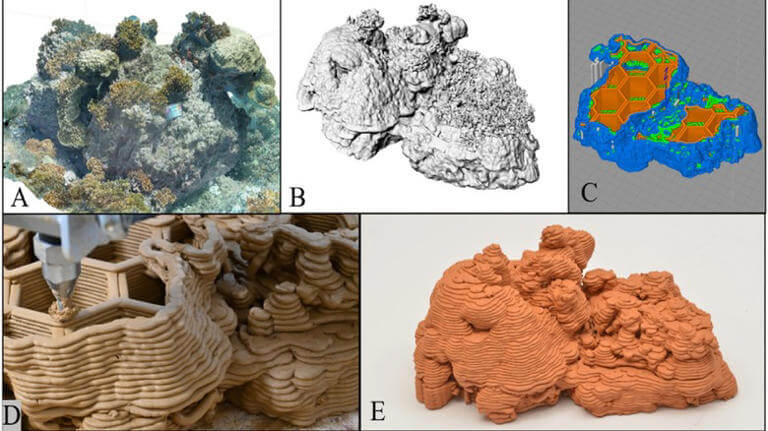
The process begins by scanning underwater photographs of coral reefs. From this visual information, a 3D model of the reef is assembled with maximum accuracy. Thousands of images are photographed and sent to the laboratory to calculate the complex form of the reef and how that form encourages the evolution of reef species diversity.
Next, researchers use a molecular method of collecting environmental genetic information, which provides accurate data on the reef’s organisms. This data is incorporated with other parameters and is fed into a 3D-technology algorithm, making it possible to build a parametric interactive model of the reef. The model can be designed to precisely fit the designated reef environment.
The final stage is the translation and production of a ceramic reef in 3D printing.
The reefs are made of ceramic that is naturally porous underwater, providing the most ideal construction and restoration needs to the affected area or for the establishment of a new reef structure as a foundation for the continuation of life. “Three-dimensional printing with natural material facilitates the production of highly complex and diverse units that is not possible with the usual means of mold production,” says Tarazi.
The process combines 3D-scanning algorithms, together with environmental DNA sampling, and a 3D-printing algorithm that allows in-depth and accurate examination of the data from each reef, as well as tailoring the printed model to a specific reef environment. In addition, data can be refed into the algorithm to check the level of effectiveness and efficiency of the design after it has been implemented, based on information collected in the process.
The workflow of 3D interface, starting with data collection using molecular tools and 3D imaging. Credit: Natalie Levy and Professor Ofer Berman of the Mina and Everard Goodman Faculty of Life Sciences at Bar-Ilan University.
“Existing artificial reefs have difficulty replicating the complexity of coral habitats and hosting reef species that mirror natural environments. We introduce a novel, customizable 3D interface for producing scalable structures, utilizing real data collected from coral ecosystems,” explains Levy.
Berman adds that “the use of 3D printing allows for the extensive freedom of action in algorithm-based solutions, as well as the assimilation of sustainable production for the development of large-scale marine rehabilitation.”
This study meets two critical needs to save coral reefs, according to the researchers. The first is the need for innovative solutions that facilitate large-scale restoration that can be adapted to support coral reefs worldwide. The second is the recreation of a natural complexity of the coral reef, both in size and design, that will attract reef species such as fish and invertebrates that support the regrowth of natural coral reefs.
The researchers are currently installing several 3D-printed reefs in the Gulf of Eilat. They believe that the results they obtain will help them apply this innovation to other reef ecosystems around the world.
A new Technion study looks at how marine organisms produce hard tissues from the materials available to them, and under harsh and hostile conditions.
An international research group led by the Technion – Israel Institute of Technology has recently deciphered the process through which marine organisms develop their hard and durable skeletons.
The wonders of underwater engineering
The study, led by Prof. Boaz Pokroy, doctoral student Nuphar Bianco-Stein and researcher Dr. Alex Kartsman from the Technion Faculty of Materials Science and Engineering conducted the study with the assistance of Dr. Catherine Dejoie from the European Synchrotron Radiation Facility (ESRF) in Grenoble, France. The results were published in the Proceedings of the National Academy of Sciences in the US.
The researchers focused their efforts on the involvement of magnesium-containing calcite in the biomineralization process – the process by which living organisms produce minerals to harden or stiffen existing tissues. Calcite is a common mineral that constitutes about 4% of the mass of the Earth’s crust.
“Biomineralization processes build structures that surpass artificial products of engineering processes in many aspects, such as strength and resistance to fractures,” Pokroy said.
What can we learn from the starfish?
The researchers found that the deposits of calcite particles in magnesium-poor substances create compression in the organisms’ skeletons that increase their rigidity. This occurs naturally, without the need for mechanical compression used in the production of similar materials in classical synthetic engineering processes.
“We have discovered that this phenomenon occurs in a huge variety of creatures, even creatures from different kingdoms in the animal world, and we estimate that it is even broader than what we have discovered,” Pokroy said. “Therefore, it is likely to be a very general phenomenon.”
The study was supported by an EU grant from the European Research Council.
Nine different organisms were examined, including brittle stars, red algae, starfish, coral and sea urchins. In brittle stars, the crystallization process is used for its calcite lenses, which essentially function as eyes scattered all over their arms.
Red algae, however, use the magnesium-calcite crystals to coat all their cells and increase durability as the algae are subjected to the pressures and physical trauma of shallow waters.
“There is no doubt,” Pokroy concluded, “that we have a lot to learn from these biological processes, and that our findings may lead to improved engineering processes in a variety of areas.”
Israeli smart mobility company Innoviz Technologies, announced on MondGrowth of muscle tissue on a plant-based ‘scaffold’ marks another milestone in the development of cultivated meat using 3D bioprinting.
A bioprinted plant-based “scaffolding” helps the successful cultivation of edible muscle fibers, researchers from the Technion-Israel Institute of Technology have discovered.
The development of cultivated meat, i.e. meat that does not involve the raising and slaughtering of animals, is a potential solution for the growing need for meat products following population growth, the environmental damage caused by breeding cattle, and the increasing awareness to animal welfare.
To fulfill the promise of cultivated meat to meet various consumer expectations, there is a need for technologies that allow for the production of whole muscle cuts that are as similar as possible – in terms of taste, smell, and culture – to those slaughtered from animals.
The process is outlined in a new article in Biomaterials by Professor Shulamit Levenberg and Ph.D. student Iris Ianovici of the Faculty of Biomedical Engineering, in collaboration with cultivated meat producers Aleph Farms.
PhD student Iris Ianovici, left, and Professor Shulamit Levenberg of the Technion’s Faculty of Biomedical Engineering
Other partners in the research described in the article are Dr. Yedidya Zagury, Dr. Idan Redensky, and Dr. Neta Lavon.
Researchers think that besides the scientific-engineering accomplishment, this technology is likely to enable the robust production of cultivated meat at large scale in the near future.
Levenberg became involved in cultivated meat several years ago after recognizing that her inventions in tissue engineering for medical needs were relevant for growing cultivated meat. Her research on the subject led to the founding of Aleph Farms, which sponsored the research study now being published. Last year, Aleph Farms presented the first cultivated ribeye steak in history – created in the Levenberg lab – and has since pursued the development of new products. Aleph Farms’ CEO is Didier Toubia, Levenberg is Chief Scientific Advisor, and Lavon is the company’s CTO.
The ability to produce a wide variety of cultivated meat products was the primary focus of the present research, which sought to develop the technology for creating thicker cultivated steaks while using alternative materials as “scaffolding.”
Enabling the perfusion of nutrients across the thicker tissue has been a significant challenge, with most of the currently used scaffolding materials for growing tissues being derived from animals. In the article, the Technion researchers present a solution in the form of an alternative bio-ink, which is used to bioprint scaffolds from animal-free proteins, as well as living animal cells.
The bio-ink contains the cells that will form the muscle tissue – satellite cells originating from a biopsy taken from livestock, and is formulated by combining alginate (a compound found within the cell walls of brown algae) and proteins isolated from plants – soy or pea proteins. The printing process enables the creation of protein-enriched scaffolds with different geometries. The printing process is based on a method in which the bio-ink is deposited into a suspension bath that supports the materials during printing.
After the scaffolds were printed with the living animal cells, high cell viability was observed. Furthermore, the cells successfully matured to create muscle fibers as the tissue grew. Since the geometry of the scaffold can be controlled, it is possible to control the introduction of nutrients and the removal of waste from the developing tissue.
“In the engineering process we developed in the lab, we tried to mimic the natural process of tissue formation inside the animal’s body as much as possible,” Levenberg said.
“The cells successfully adhered to the plant-based scaffold, and the growth and differentiation of the cells proved successful as well. Our bio-ink led to a consistent distribution of the cells across the bioprinted scaffold, promoting growth of the cells on top of it. Since we used non-animal-derived materials, like pea protein, which is non-allergenic, our findings promise greater development of the cultivated meat market moving forward,” she added.
Israeli smart mobility company Innoviz Technologies, announced on Monday that it has been selected by one of the world’s largest vehicle manufacturers to become its direct supplier of LiDar remote sensing solutions across several brands.
The company has not yet disclosed the name of the manufacturer but claims the partnership will increase Innoviz’s forward-looking book order by $4 billion to $6.6 billion.
Founded in 2016, Innoviz develops LiDAR remote-sensing solutions for fully autonomous vehicles. LiDAR is an acronym for “light detection and ranging” and it is used to calculate the ranges of various surroundings by targeting an object or a surface with a laser and measuring the time for the reflected light to return to the receiver. Innoviz’s flagship LiDAR system InnovizOne renders highly accurate real-time 3D images of the vehicle’s surroundings, providing enhanced perception capabilities that exceed that of human drivers.
“We are proud to deliver our outstanding InnovizTwo LiDAR and perception software as the direct supplier to support this new series production program,” said Innoviz CEO and co-founder Omer Keilaf. “Being selected by a large-scale multi-brand global vehicle maker is a significant catalyst for Innoviz and we expect this will affect the entire industry which has been waiting for a decision of this magnitude. We are expecting the scope of this deal to grow even further as additional car brands within the group adopt our platform. In addition, we anticipate more carmakers to follow this decision in their autonomous vehicle programs.”
Israel-born Johny Srouji, the senior vice president and arguably the most influential figure at Apple after the company’s CEO, lauds Israeli ingenuity as well as those working at the tech giant’s Haifa-based R&D center, where the company’s two state-of-the-art chips were developed
Two new Mac facilities, Apple Watch R&D, facial recognition, storage controllers. All these were created at Israel Apple’s R&D center which, next month, celebrates a decade of operations.
Johny Srouji, Apple vice president and the most senior Israeli executive in the global tech industry, tears away the center’s veil of secrecy, divulging how decisions are made at Apple and tells us about growing up in Haifa.
Apple vice president Johny Srouji (Photo: Apple)
The COVID pandemic has kept Srouji away from Israel for two and a half years – and he misses it. He misses his childhood home on Abbas Street near Wadi Nisnas in Haifa. He misses his extended family, one of the oldest in the city’s Christian Arab community. He misses the “amazing” Israeli food and the friends he’s made here over the years. He definitely misses the white, ultra-modern building on 12 Hamaskit Street in Herzliya, proudly displaying the famed Apple logo.
Srouji, 58, senior vice president of hardware technologies at Apple, is the world’s top Israeli tech executive and arguably the most influential figure at the company, second only to its CEO, Tim Cook. He holds a golden share in this building – the Israeli Apple R&D center. Steve Jobs himself, along with Tim Cook, decided to found the company’s first R&D center in Israel which had originally been proposed by Srouji and former Motorola executive Bob Mansfield, who had also worked extensively with Israelis.
Apple’s R&D center officially opened in March 2012, and next month it celebrates a decade of operations. “We employ the best of the best” says Srouji. “We’ve built a world class team and have made several acquisitions.
“What started with one employee – Aharon Aharon, Srouji’s lecturer at the Technion – Israel Institute of Technology who, after being appointed CEO, tasked Srouji with turning the concept into reality – is now a vibrant center employing a staff of 1,800, taking credit for some of Apple’s most outstanding recent innovations.
Due to Apple’s famous culture of compartmentalization and secrecy, the Herzliya center’s exact fields of activity have over the years remained undisclosed, deliberately dropping vague hints, such as “There’s something Israeli in every Apple device”.
The Israeli R&D center’s extraordinary achievements over the past two COVID-filled years, have earned Apple unprecedented profits, and have helped propel the center’s value to almost three trillion dollars. In this time, cracks have formed in Apple’s famed wall of secrecy.
After years of the company using very general terms in interviews, in his spacious office at the Apple Park (the “spaceship campus”) in Cupertino, California, Srouji now tells us why he calls himself a “very proud father” of the Israeli center and how his personal role models in Israel and growing up in Haifa in the 1980s have shaped his life.
The jewel in Apple’s crown over the last two years – taking even the experts by surprise – are three new, strong, ultra-fast M1 Mac processors. Based on the technology that runs Apple’s smartphone processors (ARM), both fell under Srouji’s sole responsibility and have replaced the old Intel processors, which were unceremoniously discarded.
Last October, Apple unveiled their flagship M1 max and the M1 pro processors, providing the world’s best performance for personal computers. It can now be revealed that the two chips, already in use in the most powerful Macs, were developed, behind a veil of secrecy, in Israel.
“These are two very complicated chips. The M1 max has 57 billion transistors. Both were developed in Israel,” says Sarouji. “Building the chip, assimilating it, its physical design, validation [testing the behavior of the chip] – was all conducted in Israel. And they’re really great.”
“By no coincidence, the Max and the Pro, were launched at the same time as our competitor, Intel’s new Alder Lake Core 12 processor, which was also developed in Israel. So, the crème de la crème of the world’s computer processors are made in Israel.”
Apple’s flagship M1 processor (Photo: Apple )
They were developed during COVID. How did you overcome limitations posed by the pandemic?
“It was very challenging. We were past the research and development stage, and we were waiting for a chip to arrive for the validation stage – a long and comprehensive series of tests. Then suddenly COVID hit. It created enormous problems as we need physical access to the laboratory with several engineers in the same room. Nonetheless, the teams in Israel and the United States didn’t miss a single development stage.
“Time differences between Israel and America mean that we were already used to working remotely. We developed creative tools for remote-working even for the laboratories. I’m very proud of the devotion and sacrifice made by engineers both in Israel and in the United States. I worked with them on the chips, both and remotely and in person. The collaboration was truly inspiring.”
(Photo: Shutterstock)
I’m guessing that the center in Israel is responsible for more innovations over the past decade.
“I can’t talk about everything, but let me give a few examples. Let’s start with what’s already been announced: Every storage controller in every Apple product comes from Israel. It started before we opened the R&D center with the acquisition of Anobit – our first Israeli company,” he says.
“People store their memories and pictures on iPhones and iPads, so we wanted to speed up the storage access, cut down energy use while securing the memories for life, so that people won’t be losing pictures. Anobit had a very skilled team, experienced building storage controllers based on Flash memory (SSD). They built our storage controllers. Nine months after the acquisition, they’d already made the first storage controller that went into a Mac, which we’ve adapted for iPhones, iPads and other devices.
“A few years later, in Israel we acquired a very small team to develop WIFI and Bluetooth capability for the Apple Watch. We then decided that the watch’s electronic brain, the SOC would be developed in Israel, so the team in Herzliya built that too.”
Former CEO, Aharon Aharon, explained that the Apple Watch development was kept secret to such an extent that when it was launched, it came as a surprise even within the company. Aharon served as CEO until 2017, when he left to assume the role of CEO of the Israel Innovation Authority (previously known as the Office of the Chief Scientist).
He learned the culture of secrecy the hard way: “At the beginning it was difficult to recruit. Apple would open up something in Israel, but wouldn’t say what it was. At first, even I didn’t know what was going on in Israel,” says Aharon.
Rony Fried has been running the center since 2017, doing his best to operate beneath the radar.
Apple Watch 5 (Photo: Apple)
According to Srouji, “In 2013, we acquisitioned PrimeSense, specializing in camera depth sensors, the technology facilitating unlocking the iPhone using facial recognition (Face ID). Our developers are presently working on sophisticated machine learning and imaging solutions.”
“The core technology for Lidar (sensor determining ranges using laser reflection), which we integrated into iPhones and iPads is also from Israel. Cinematic Mode, focusing video, first used in the iPhone 13, is based on part of the same technology.”
Let’s get back to founding the center. Both you and Bob Mansfield were familiar with the Israeli mentality. Weren’t you concerned with the “It’ll be OK… ” mindset which is so different from the Apple DNA?
Srouji laughs… “I’m Israeli. I was born in Haifa. I’m very much aware of all of this. We had a number of reasons for thinking of Israel.”
“Firstly, Israel really is Start Up Nation. There are lots of ideas and creative innovations here. It’s heavily ingrained into the culture, industry and good universities. If you’re looking for a high concentration of talent and great engineers – this is the place to find them,” he says.
“Secondly, when we look for dedication, commitment and loyalty to the employer, Israel does very well.
“We’d created a base in Israel and then we started building on that, one step at a time. We gradually took on more assignments and, despite various obstacles, the teams executed them all.”
Former Apple CEO Aharon Aharon (Photo; PR)
Aharon adds that “It wasn’t easy. Altering habits took some time. It took six months to integrate Anobit which came from the Israeli Start-Up culture… At Apple, everything is planned and focused.”
Srouji has been in the United States for twenty years – with a two-year break – fourteen of those years with Apple. He’s married to Radha from Fassuta, a Christian Arab town in the Galilee, and the couple have three adult children. The family lives in the neighborhood of Almaden, near the Apple Park in Cupertino, California.
With his brother, he attended the École des Sœurs de Nazareth High School, a leading private school near his home in Haifa. Although there was no computer in his home on Abbas Street in the 1980s, Srouji completed both undergraduate and masters programs at the Technion with distinction.
He worked at the IBM plant in Haifa for three years before joining Intel in 1992. A 2015 profile article in Calcalist, quoted a former Intel colleague: “After only a week, we were enchanted by him. He’s an unusually modest, quiet, hardworking polite man, but also the type who’ll, with a big smile on his face, get up to help out. He was the perfect teammate, never acting superior, although he was clearly more talented that the rest of us.”
In 1999 Srouji relocated to Austin, Texas to work at the city’s Intel plant where he spent three years. In 2005, he returned to the United States to work at IBM. He joined Apple in 2008 shortly following the launch of the first iPhone. Jobs soon made the decision that would boost Srouji’s career: After 15 years of using Intel’s microchips in their devices, Apple would start developing their own.
The Apple A10 Fusion 64-bit chip (Photo: Apple)
Could you give me some idea of the extent of this project?
“It was a very important strategic decision. It usually takes three to four years to produce a microchip, bringing it from conception to the marketing stage. Microchip design is unforgiving. You’re not targeting what the market presently needs, but rather what will be happening years from now,” he says.
“In 2010, we decided in principle that for our software, we needed our own hardware, including our own chips. This is very much what Apple is about and we want to keep it that way. We want the best performance we can get, not to match our competitors but rather to achieve more.
“We understood that Apple could create the best processors, graphics, digital imaging processing for cameras, video simulation for video encoding as well as the best security – all on one chip. Launching the first independent iPhone chip in 2010, we felt we had a strong foundation. Eventually, we thought it was time we develop our own for chip for the Mac.”
From 2011, Srouji headed developing the processors for the first iPhone and iPad. In 2017, Apple revealed that that his annual salary had reached $24 million, second only to Angela Ahrendts, the company’s senior vice president of retail, and double that of Cook. In case you were concerned, Cook’s annual salary last year was $100 million.
In 2016, Bloomberg magazine ran a cover page article titled, “The most important Apple executive you’ve never heard of,” claiming that he saved the company in 2015 by managing to develop the processor for the iPad Pro six months ahead of schedule.
Various versions of Apple’s iPhone (Photo: Apple)
About schedules – the iPhone 12 was launched a month late due to supply problems resulting from COVID. The iPhone 13 was launched on time. How do you overcome supply chain problems and a global microchip shortage?
“We work with our own microchip manufacturers, such as TSMC in Taiwan producing 5 nanometer chips. We have a world class technology team working with them. Development, including verification, validation and mass production is all planned years ahead. Nothing’s left to the last minute,” he says.
“Despite supply shortages and the slight delay of the iPhone 12 launch, 2021 was one of Apple’s best years, with a revenue of $123 billion, with Apple shares increasing in value by 1,200% over the last decade.”
You mention the best engineers in Israel and the United States, but engineers are in short supply both in these countries and in Europe. How do you overcome this?
“This is true. We work tirelessly on this front,” he says.
“Firstly, both in Israel and America, we approach colleges and universities, helping them build study programs or supplying guest lecturers. We sometimes even provide them with our own engineers to teach certain lessons. We want students to be enthusiastic about the challenges of developing microchips. I think it’s the most exciting kind of work there is, but I’m biased.
“Secondly, there sometimes aren’t enough computer science or electrical engineering university graduates, but there are graduates in related fields such as physics and mathematics, so we train them, so that within a couple of years, they can become engineers at Apple,” he adds.
“Thirdly, Apple values include diversity and equal opportunities. In Israel, we’re training Ultra-Orthodox women and Arab engineers, encouraging them to integrate into the tech sector.”
iPad Air (Photo: Apple)
Are you happy with the number of Israeli Arab joining Apple in Israel?
“I’m always aiming for more, but looking at the numbers, it’s good. We can definitely strive to do better, but I think we’re working correctly. It’s very much part of what Apple is about – we want good, diverse talent.”
Don’t you feel you’re a bit late in virtual worlds such as Metaverse? Is Apple planning anything in virtual reality (VR) or augmented reality (AR)?
“I can only say that we very feel that virtual and augmented reality are exciting and very important. Over a billion Apple devices on the market are ready for AR.”
What about the iPhone battery that hardly lasts the day?
“This is very complicated. When you design a battery, you want it to have the optimum energy within a given size, what we call ‘volumetric energy density.’ It also needs to last as long as possible, be secure and provide constant power supply,” he says.
“We need to think about the device and its electronics. The more energy it saves, the longer it lasts. How the energy is supplied from the battery to the phone, also matters. I have a team of great chemists addressing this issue.”
You can’t argue with success. Apple’s sales have never been better. Users, however, are saying that although the products are good, it’s “more of the same,” and that the magic from the Steve Jobs days has long gone, that it’s not exciting anymore.
Apple AirPods Pro (Photo: Shutterstock)
“I hope you’ll like our products. I believe we are creating that magic in every device we make. Let me give a few examples: Firstly – the AirPods, with their amazing sound quality and background noise cancellation.
“Secondly – the Apple Watch – just look at where we started and where we are now. Not only is it a wonderful watch, it’s also a great health device, measuring heart beats and ECG. It can be can used as a telephone and for making payments. We improve this device every year. I think that’s magic.
“Thirdly, what we’ve done with the M1 processor is magic. When we get this level of horsepower on a laptop or even a PC with great battery life, that’s magic. We’re also working on future technology and products. We really want to carry on surprising people, enrich their lives and make them happy.”
In February 2015, three years after opening the R&D center in Herzliya, the Apple CEO visited Israel. Srouji accompanied him, always trying to keep a low profile even when visiting then-President Reuven Rivlin, who exclaimed: “We are very proud of the Israeli that is one of the major figures in your company… we need five or six more Johnnies.” Cook responded: “If you find them, let me know where they all are.”
Tim Cook, Apple CEO (Photo: AP)
Do you think growing up in Israel has helped you in your career?
“I truly believe that the values we grow up with, that we bring to our adult lives along with the people from whom we learn, definitely affect our lives and careers. I was born in Haifa – a beautiful city with the Carmel and the beaches. Its real beauty, however, is its tolerance and human diversity. The city is home to a broad range of ethnic and religious groups, living in an unusual harmony. Growing up in this kind of environment, is part of who you are.
“I was also very lucky to be born in a city offering such good education. I went to an excellent school and then to the Technion. Again, I’m biased, but I think the Technion is a world class academic institution when it comes to engineering,” he says.
“In Israel I learnt a lot, especially how to think and approach difficult problems. Learning is important, but learning without in-depth thinking won’t take you far in life. You need both – how to think about and deal with things that you haven’t encountered before.
“What you learn from people you grow up with is also important. I had a lot of role models, both in Israel and America, but let’s stick to the role models in Israel: As a child, my first role model was my headmistress, an Irish nun. She was strict and meticulous, earning the respect of both pupils and staff. She’d enter a chaotic, noisy classroom, and suddenly the class would go quiet. This was simply out of our respect for her.
“My father, an artisan carpenter, who made foundry molds for metal casting, served as a further role model. He’d make large wooden molds into which molten liquid metal would be poured to make steel parts for the defense industry.
“He was the best in his profession and there were very few like him. The interesting part is that he charged less than he should, even when he challenged with particularly difficult, almost impossible tasks because he just wanted to do it. From him, I learnt about dedication and creativity,” he adds.
“In the 1980s, the Technion provided me with a further role model: I had a teacher, who was a Unix operating system genius. After hours, he headed his own independent data center at the Technion. His class was the hardest, so I challenged myself to do well in this class. I wanted to be like him. From him, I learnt about technical depth and how to truly devote yourself to something.
“My final role model is one of my first bosses. He understood people and could ‘read’ them after a single handshake. He was a great teambuilder and recruiter who knew how to push engineers to work their hardest. He was also an inspiring figure, a person you wanted to follow. From him, I learnt to surround myself with clever people and how to inspire and motivate others to do things they don’t think they can do.”
After twenty years in the United States, do you miss Israel?
“Naturally. I have lots of friends in Israel, and of course, my family. I wish I could come to Israel more often. COVID has meant that I travel less. And I obviously miss the food.”