TEL AVIV, Israel, May 19, 2025 — Quantum Machines, the leading provider of advanced hybrid quantum-classical control solutions, announced today the release of QUAlibrate, an open-source framework for calibrating quantum computers.

The framework dramatically shortens calibration times and provides a comprehensive solution for creating, executing, and sharing calibration protocols across different quantum computing platforms. By creating an open ecosystem, QUAlibrate enables researchers and companies worldwide to build upon each other’s advances, accelerating the path to practical quantum computers.

“QUAlibrate has been transformative for our company,” said John Martinis, CTO and co-founder of Qolab. “Its automated calibration capabilities now complete full calibrations in less than 10 minutes – tasks that otherwise would demand up to two hours of manual work. This efficiency boost frees up our team to focus on accelerating our QPU development.”

Calibration has emerged as one of the most critical bottlenecks in scaling quantum computers. To properly initialize and maintain a quantum computer’s performance, calibration must be performed not just once, but frequently during operation to compensate for system drift. As quantum systems grow in size, the calibration challenge becomes exponentially more complex. For instance, calibrating a 100-qubit superconducting quantum computer from scratch can take up to two days, and even recalibrating an already-calibrated system can take an hour or more. This becomes impractical when scaling to future systems with hundreds of thousands of qubits.

“We care both about how long it takes to calibrate and about how good the calibration is, two things that sometimes collide, and this impacts the performance of the quantum computer as a whole,” said Dr. Yonatan Cohen, co-founder and CTO of Quantum Machines. “We built an open-source solution because we believe this is a challenge the community can solve together. Researchers in both academia and industry continuously develop new calibration algorithms and protocols. One day, a team in Boston might develop a protocol that increases quantum operation fidelity, the next day a European company might create a method to speed up calibrations. The path to solving this fundamental challenge lies in a collaborative approach where teams can instantly leverage each other’s advances and build on them.”

To address this fundamental challenge, Quantum Machines has developed QUAlibrate, an open-source calibration framework that transforms quantum calibration from a collection of isolated scripts into a modular, collaborative system. QUAlibrate enables researchers and quantum engineers to create reusable calibration components, combine them into complex workflows, and execute calibrations through an intuitive interface. The platform abstracts away hardware complexities, allowing teams to focus on quantum system logic rather than low-level details.

In a recent demonstration at the Israeli Quantum Computing Center (IQCC), QUAlibrate completed a multi-qubit calibration of superconducting qubits in just 140 seconds. The result demonstrates the system’s speed and efficiency in real-world conditions.

QUAlibrate’s open-source nature and modular architecture mean that when researchers develop new calibration protocols, these innovations can be immediately shared, validated, and built upon by the broader quantum computing community. Companies can also develop proprietary solutions on top of QUAlibrate that leverage advanced approaches like quantum system simulation and deep learning algorithms. This creates an ecosystem where fundamental calibration advances can be shared openly and enables specialized tools that push the boundaries of performance.

“It was fantastic to see QUAlibrate rapidly perform a complex, full tune-up on the Architect system, OQC’s partner system with OINS and Quantum Machines,” said Simon Philips, CTO of Oxford Quantum Circuits (OQC). “The results clearly demonstrated the power and efficiency of QUAlibrate’s automated calibration approach, as showcased by Quantum Machines.”

“At Quantum Elements, we see QUAlibrate as a meaningful step toward a more open and empowered quantum ecosystem,” said Izhar Medalsy, co-founder and CEO of Quantum Elements. “Calibration has long been a hidden bottleneck, often locked behind proprietary tools and inaccessible workflows. By making it open source, Quantum Machines is helping turn calibration into a shared foundation the entire field can build on. We believe this kind of openness not only accelerates progress — it also gives scientists the clarity and control they need to push quantum computing forward, together.”

“QUAlibrate has laid a vital groundwork for fast, reliable and efficient calibration on our QPU while we continue to scale up the size, connectivity and fidelity,” said David T. Lee, Research Scientist at Academia Sinica. “It’s definitely a game changer.”

Along with the framework, Quantum Machines is releasing its first calibration graph for superconducting quantum computers, providing a complete calibration solution that can be immediately deployed and customized. The graph leverages QUAlibrate’s parallel calibration capabilities to dramatically reduce calibration times. Looking ahead, Quantum Machines and NVIDIA are developing software libraries that will integrate QUAlibrate with accelerators like the NVIDIA DGX Quantum, enabling even faster calibration times and higher fidelity calibrations using machine learning models.

Quantum computing researchers and engineers can begin using QUAlibrate today by accessing the open source repository at: https://github.com/qua-platform/qualibrate or visit Quantum Machines’ website to learn more: https://www.quantum-machines.co/products/QUAlibrate.

About Quantum Machines

Quantum Machines (QM) is a leading provider of quantum control solutions, driving the advancement of quantum computing with its Hybrid Control approach. By harmonizing quantum and classical operations, Hybrid Control eliminates friction and optimizes performance across hardware and software, enabling researchers and builders to iterate at speed, resolve setbacks, and bring visionary ideas to life. Its platform supports any type of quantum processor, empowering the industry to scale systems, accelerate breakthroughs, and push the boundaries of what’s possible.

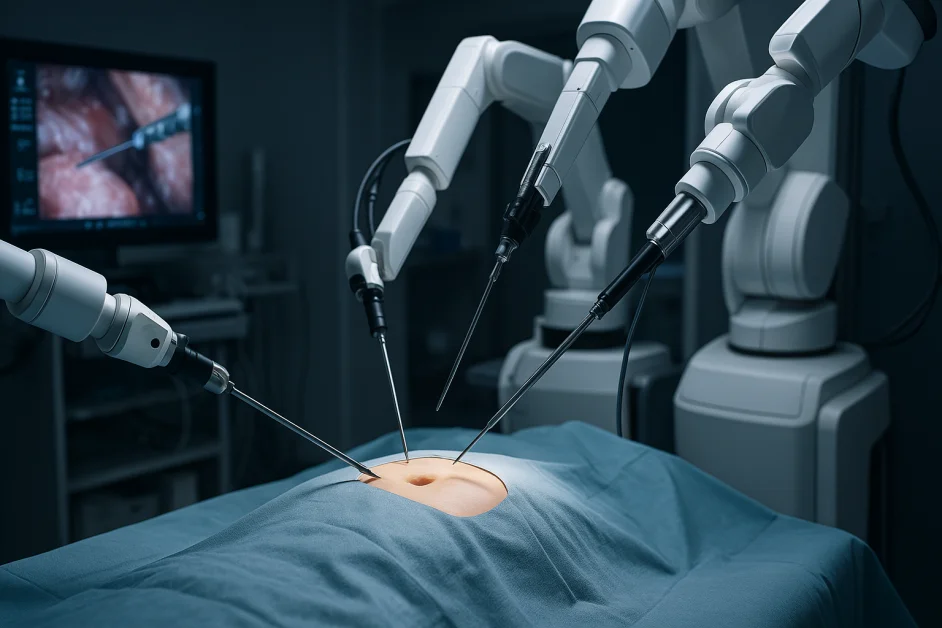
Medical robotics first entered general surgery in the 1980s with laparoscopic tools that enabled minimally invasive procedures, reducing incision size and recovery time. These early systems extended surgeons’ capabilities, transforming the surgical landscape.

Today, artificial intelligence (AI) is ushering in a new era of precision and control in the operating room. Yet despite this progress, robotic systems remain limited to select procedures, leaving most surgeries dependent on traditional methods — and many patients without the benefits of enhanced consistency and outcomes.

As medical technology continues to evolve, how can AI applications in surgical robotics scale to transform healthcare on a broader level?

Fueled by increased robotic VC funding and the digital transformation of the last five years, the robotics industry is seeing fast-tracked market results with no signs of stopping. Earlier this year, Nvidia announced its intent to increase investments in its robot development, signaling a positive shift for the future of robotics. Similar investments in robotics by large-scale players will further advance robotic technology through data collection and machine learning, while providing additional resources and insights.

Surgical robotics industry leaders, such as Intuitive Surgical, Medtronic, and Stryker, have pioneered robotic-assisted surgeries for various procedures. Since introducing its da Vinci system for general surgery in 2000, Intuitive Surgical has continued to iterate its robotic platform to expand its offerings to cardiac, bariatric, gynecology, and thoracic surgeries, among others. With the mass adoption of robotic-assisted surgeries, surgical robotics have consistently been adopted at a faster scale. Between 2012 and 2018 alone, robotic-assisted procedures rose 738% in general surgery.

Looking ahead, surgical robotics have even greater market potential, and are predicted to grow to over $14 billion by 2026 – up from just over $10 billion in 2023. This is mainly due to greater access to robotic surgery procedures, advancements in automation and digital technologies, and new players who aim to deliver cutting-edge medical solutions that harness the power of AI.

Deep Tech Approach

Built on the intersection of disciplines, deep tech merges multidisciplinary technologies such as AI, quantum computing, biotechnology, and robotics to usher in a new era of technology. Startups embracing a deep tech approach in robotic surgery are creating innovative solutions for the future, as can be seen in healthtech development, which can improve patient access to critical medical care. With deep tech development, surgical procedures may become fully automated down the road, requiring minimal surgeon assistance and significantly expanding access to treatment.

Emerging deep tech technologies in surgical robotics can make a lasting global impact. With roughly two-thirds of the worldwide population – 5 billion people – lacking access to surgical treatment, these new modalities, powered by AI, can expand general access and close the surgical care gap.

Fusing AI and Surgical Robotics

AI has innovated and changed how we interact with different technologies and each other. Over the last five years, the transformation brought on by AI has accelerated the development of robotics and created additional applications for AI within different modalities, including robotic surgery.

Here are three essential ways AI is making a fast and profound impact:

1. Embodied AI

Technology is changing how we interact with our environment and the people around us. Embodied AI, which includes autonomous vehicles and humanoid robots, is the fusion of AI with physical systems to execute complex tasks in real-world settings. When embodied AI is applied to surgical robotics, it has the potential to have long-lasting impacts on enhancing surgical care and improving existing techniques. However, embodied AI requires significant real-world data to develop training simulation models, which are used to train and expand AI capabilities and improve data-driven insights. Until recently, access to large amounts of training data has been somewhat limited; however, as the industry continues to invest in the training and development of AI models, the simulated data pools are growing at a quicker pace and improving embodied AI functionality.

2. Continuous Data Insights and Guidance

AI-based systems can absorb and comprehend large swaths of information in seconds – much faster than the human brain. By training machines on large data sets, data-driven insights can inform surgical decisions before surgeons even set foot in the OR. AI-driven training simulations can significantly benefit surgeons, as training on data sets that are based on thousands of surgeries provide surgeons with trends and techniques to deliver a better patient experience, and also allow them to prepare for and understand the intricacies of rare or complex cases before they face them in the OR. This process can significantly accelerate and shorten the long learning curve surgeons face when training to reach peak surgical performance.

When applied to real-time imaging and visualization technologies, AI-driven data can also enhance surgeons’ decision-making capabilities during operations. By providing surgeons with insights to adjust surgical plans during procedures, AI-based systems can empower surgeons to optimize techniques and approaches in real-time. Through AI-driven imaging systems, surgeons can receive advanced imaging analytics and real-time 3D “maps” of the surgical sites. These augmented overlays can give surgeons expanded insights into the surgical field alongside real-time feedback on their surgical techniques. Robotic surgery platforms are at the forefront of integrating this technology into the OR, with the goal of increasing surgical precision and outcomes.

Furthermore, by providing ongoing feedback post-operation, AI-based systems can provide valuable feedback to surgeons about their performances during procedures – highlighting weaknesses and strengths, and suggesting specific strategies on how to improve them. Such platforms can also recommend new treatment plans based on each patient’s history and the particular procedure’s data analysis, and empower surgeons with additional information that can enhance further treatment. As such, AI platforms have the potential to absorb and adapt surgical feedback throughout the full surgical cycle (before, during, and after) through an AI feedback loop to increase surgeons’ precision and performance.

3. Increased Accuracy and Precision

Individual surgical skills often vary among surgeons due to their access to top-tier opportunities, from program location to surgical mentorship access. For instance,  the field of ophthalmology has a steep learning curve. On average, it takes at least 15 years of training and surgical experience to reach peak performance as an ophthalmic surgeon. With a growing aging population and a dwindling number of surgeons, a new solution is needed to reduce the surgeon’s training period and standardize the accuracy and precision of care for all.

In addition to reducing the learning curve for surgeons and allowing them to reach peak performance faster, introducing AI-based platforms into the surgical process can increase accuracy and precision and may improve suboptimal outcomes. Semi-autonomous and increasingly autonomous features in robotic platforms can eliminate the surgeon’s natural hand tremor and improve overall precision and accuracy, thus improving clinical outcomes. In addition, the ability of AI-based systems to recognize unique anatomical structures and provide the exact location for incisions and other surgical steps – especially in complex procedures or anatomical areas – can significantly reduce the rate of surgeon errors by improving spatial awareness of anatomical structures. As such, all surgeons utilizing AI-based systems will be able to provide consistently more precise care.

When incorporated into the surgical process, AI-based robotic platforms provide invaluable insights that can enhance the overall experience for both the patient and the surgeon.

Conclusion

AI will continue to play a significant role in advancing healthcare in the future. Incorporating advanced AI technologies into our healthcare services, such as electronic filing, diagnostics, and health monitoring and tracking, as well as surgical care, is imperative. In doing so, we can improve the overall patient and surgeon experience.

In robotic surgery, AI  is expediting the technology’s transformation and patient access to consistent, high-tier treatment. Advancements in robotics, coupled with AI and automation, will continue to usher in new applications, creating a higher level of standardised care and launching healthcare quality and access to new heights.


A new study introduces choice engineering—a powerful new way to guide decisions using math instead of guesswork. By applying carefully designed mathematical models, researchers found they could influence people’s choices more effectively than relying on gut instincts or even traditional psychology. This discovery could pave the way for smarter, more ethical tools to improve decision-making in areas like education, health, and everyday life.

The new study, published in Nature Communications, demonstrates that mathematical models can be more effective than psychological intuition when it comes to influencing human decisions. Led by Prof. Yonatan Loewenstein from Safra Center for Brain Sciences (ELSC) at Hebrew University, in collaboration with Dr. Ohad Dan from Yale University and Dr. Ori Plonsky from the Technion, the research introduces a novel concept: choice engineering.

The study draws a distinction between two approaches to influencing behavior. The first, known as choice architecture, has gained widespread popularity since one of its pioneers, Richard Thaler, was awarded the Nobel Prize in Economics in 2017—with behavioral insights (“nudge”) teams emerging in governments around the world.

Choice architecture relies on psychological principles—such as primacy, anchoring, or intuitive heuristics—to subtly steer decisions. The second approach, proposed by the researchers, is choice engineering: a method that uses computational models and optimization techniques to systematically shape behavior with precision.

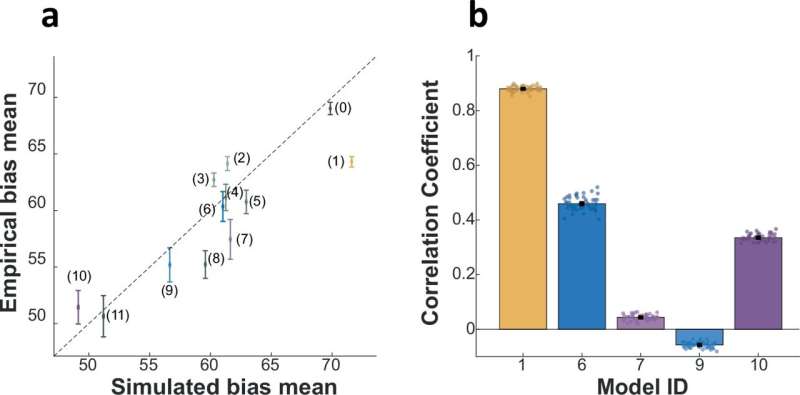
To put these approaches to the test, the team launched an academic competition where international academic teams were tasked with designing an incentivization mechanism (“reward schedule”) that would get people to choose one of two objectively equal-value options.

More than 3,000 participants took part in the experiment, each exposed to one of several reward strategies. Some were built on intuition and psychological insights, while others were crafted using computational models.

The most effective schedule was based on a computational model called CATIE (Contingent Average, Trend, Inertia, and Exploration), designed by Dr. Ori Plonsky together with Prof. Ido Erev from the Technion. The model integrates multiple behavioral tendencies into a unified predictive framework. This CATIE-based strategy significantly outperformed those based on the widely used machine-learning model Q-learning, and those informed by qualitative intuition alone.

“Our study shows that just as engineers use mathematical models to build bridges or design aircraft, we can use models of learning and decision-making to influence behavior—reliably and efficiently,” said Prof. Loewenstein.

The findings demonstrate that behavior can be engineered with surprising accuracy when guided by well-calibrated models. Moreover, the study offers a new method for evaluating cognitive models—not only by their explanatory power, but also by their effectiveness in shaping real-world decisions.

The implications are far-reaching. In fields ranging from education and public health to digital design and policy-making, choice engineering could enable the development of empirically optimized, scalable interventions. At the same time, the researchers note that ethical frameworks will be essential to guide the responsible application of these tools.

As a proof of concept, this study underscores the emerging potential of mathematical modeling in the cognitive sciences—not just for understanding behavior, but for actively guiding it.

The AI-powered inspection system will complement manual inspections to improve efficacy and boost customer experience.

Hertz, one of the world’s leading car rental companies, has partnered with Israeli AI-driven vehicle inspection systems UVeye to enhance its vehicle maintenance practices in the United States.

Vehicle inspections in the rental industry have always relied on manual inspections. AI-based maintenance processes enhance the accuracy and efficiency of the procedure.

UVeye’s AI-powered camera systems and machine learning algorithms enable real-time automated inspections of a car’s body, glass, tires and undercarriage. The system has been installed at hundreds of dealerships, fleet sites and auction lots globally.

Amir Hever, CEO and cofounder of UVeye, said its AI-powered inspection systems “complement manual checks with consistent, data-backed assessments completed in seconds.”

The partnership will also enhance Hertz’s service and vehicle availability thanks to Uveye’s proactive ability to detect maintenance issues quickly and precisely. For instance, the system captures and instantly analyzes high-resolution images of the tire treads to determine whether a tire needs to be replaced.

Hertz’s EVP Technical Operations Mike Moore said: ‘With millions of customers and over 100 years of service around the world, we’re continually focused on transforming every aspect of our company and that includes how we maintain our vehicles.”

During the initial rollout, the technology will be deployed at Hertz locations across major US airports, starting with Atlanta’s Hartsfield-Jackson International Airport, the first to be equipped with UVeye systems. Deployment is expected to be completed by the end of the year.

In 2024, UVeye was named as one of TIME’s “Best Inventions” and Fast Company’s “World’s Most Innovative Companies.” As of February, the company had raised a total of $380.5 million in capital. 

The company is developing DeltaStem, an AI-driven platform designed to improve the production of human cells for therapeutic use.

Somite AI, a biotechnology company developing AI tools for human cell therapy, has raised over $47 million in a Series A funding round led by Khosla Ventures. Other participants include Max Levchin’s SciFi Ventures, The Chan Zuckerberg Initiative, Fusion Fund, Ajinomoto, Pitango HealthTech, TechAviv, Harpoon Ventures, along with angel investor and former Chairman of Recursion, Dr. R. Martin Chavez.

The company, which once called itself “the OpenAI of stem cell biology”, has also welcomed its new CEO of Applications and Board Member Fidji Simo as an investor. Earlier investors included Texas Venture Partners, and this new round brings its total funding to roughly $60 million.

Somite AI is developing DeltaStem, an AI-driven platform designed to improve the production of human cells for therapeutic use. The new funding will advance its capabilities and support programs targeting Type 1 Diabetes, orthopedic injuries, muscular diseases, and blood disorders.

“We’re building the foundation model for the human cell,” said Founder and CEO Dr. Micha Breakstone. “By generating the world’s largest cell signaling dataset at 1000x the efficiency of current methods, we’re training DeltaStem to deliver protocols with unmatched purity, scalability, and reliability. We are rapidly driving towards an AlphaFold moment for developmental biology, enabling the scalable production of any cell, for anyone.”

Somite AI’s capsule technology generates large-scale cell state transition data that feeds into the DeltaStem model. According to the company, this allows faster development of cell differentiation protocols compared to traditional approaches.

“I think we’re really at a dawn of a new age where we’re really using or leveraging AI to usher in this new age or era of human regeneration and repair,” Breakstone added, in an interview with CTech. “I think if you believe in AI and the exciting opportunities that it yields and the ability to make us more creative, smarter, more intelligent, more prosperous, I think the next frontier is actually not resigning ourselves to letting our own body deteriorate. I think that is what Somite is about: to come in and replenish the body with our own types of cells, but any type of cell to cure diseases. That’s the next level of prosperity and abundance that we want to be ushering in.”

Somite AI was co-founded by Breakstone, a serial AI entrepreneur, and Dr. Jonathan Rosenfeld, Head of the Fundamental AI Group at MIT. Other co-founders include Harvard and University of Washington researchers Prof. Olivier Pourquié, Prof. Allon Klein, Prof. Jay Shendure, and Prof. Cliff Tabin.

“Traditional cell therapies are expensive, slow to develop, and unpredictable. AI can systematically solve these challenges,” added Vinod Khosla, founder of Khosla Ventures. “Somite AI’s foundation models, once fully developed and validated, will not only create value for their own pipeline, but have the potential to reshape the entire field of human cell therapy.”

The early-stage startups will benefit from a three-month partnership with the semiconductor giant and other multinational corporations.

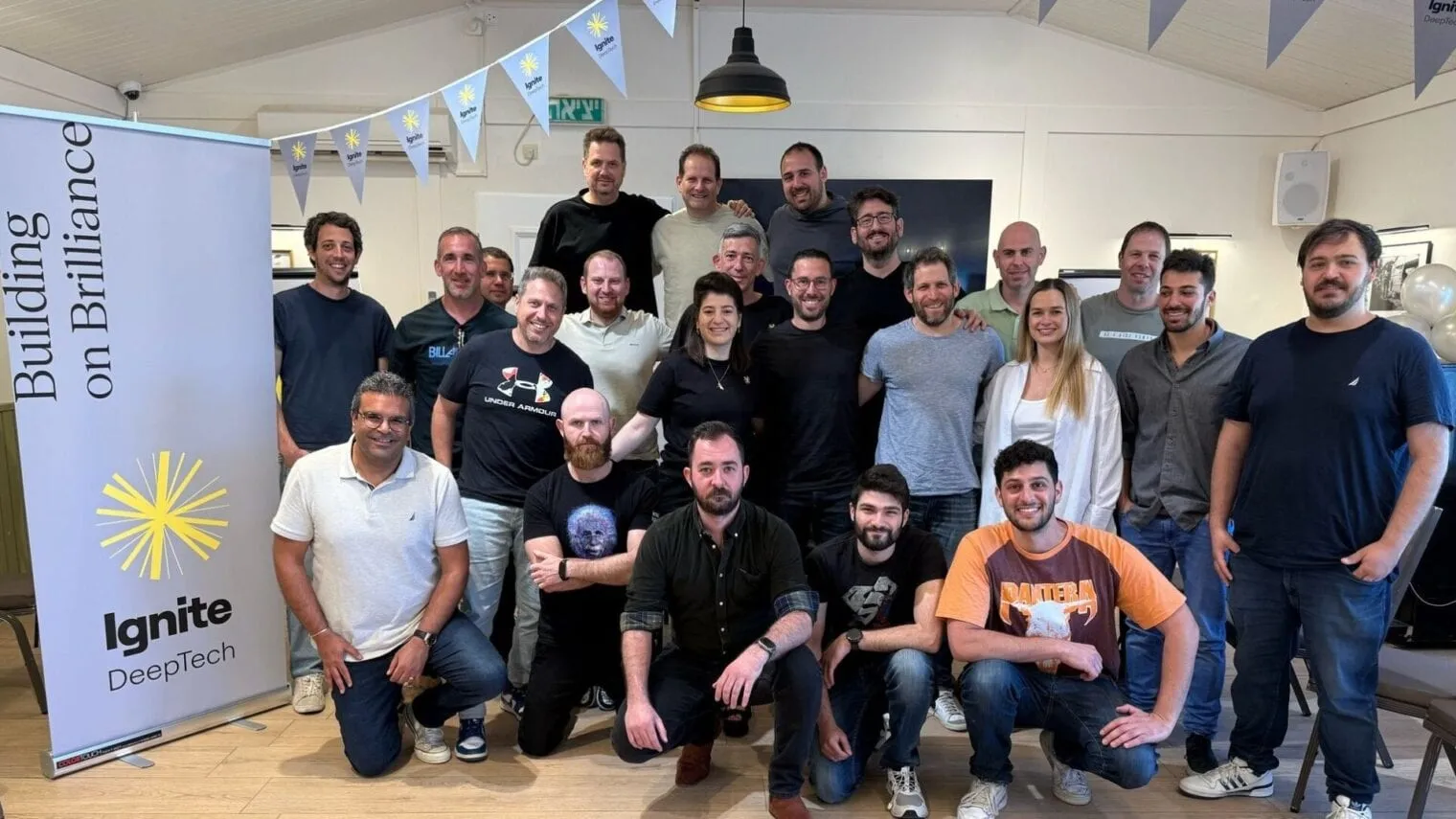
Ten of Israel’s brightest new hopes in the world of deep tech – complex innovations to solve the world’s toughest problems – have been selected for an intensive nurturing program.

The early-stage startups will benefit from a three-month partnership with the semiconductor giant Intel and other multinational corporations.

They were selected by Ignite DeepTech — a new independent accelerator inspired by Intel’s Intel Ignite initiative — from 258 applicants working to drive significant change in many sectors: cybersecurity, AI applications and infrastructure, data and cloud infrastructure, biotechnology, drones and robotics, particle accelerators, quantum technologies, developer tools and road safety.

Ignite DeepTech is supported by the Israel Innovation Authority and Israel’s Economy Ministry.

The Ignite DeepTech startups benefit from the hands-on guidance of experienced entrepreneurs, who don’t take equity. They also receive tailored, intensive support focusing on product-market fit, preparation for advanced funding rounds, looking after their mental health, product development, business strategy, marketing and customer management.

Many of the 10 chosen startups are still in stealth mode – operating under the radar while they develop their technology, to avoid tipping off competitors.

But here’s what we do know about them:

  • SkyPulse Technologies – Fast, agile, flexible made-in-Israel drones with high-end capabilities, designed for affordability and versatility in critical missions.
  • DYM sense – Revolutionising road safety with noninvasive alcohol detection technology that prevents drunk driving.
  • Impala.ai – A platform that allows companies to run large AI models and process vast datasets efficiently, making high-performance AI accessible and scalable for businesses.
  • MNDL Bio – AI-powered solutions that optimize gene expression and significantly increase protein production yields for companies that use genetic engineering.
  • DataFlint – A user-friendly platform that helps organizations using Apache Spark (for big data analytics) to quickly identify and fix performance bottlenecks in their systems.
  • Particle Lab – Pioneering a new architecture for particle accelerators (think Large Hadron Collider, in Geneva, but generally much smaller).
  • Troup AI – An LLM (large language model) inference platform, which means it infers, rather than relying on being fed data to be trained.
  • Twine Security – AI-powered digital employees, including one called Alex, who can perform cybersecurity tasks instead of humans.
  • Huskeys – An AI-powered security platform that defends against sophisticated, dynamic cyberattacks.
  • Jazz –  Cybersecurity.

Alon Leibovich, managing director of Ignite DeepTech, said: “We expect the deep-tech sector to experience explosive growth in the coming years, tackling real-world challenges like spacecraft, robotics, energy, and more.

“We’re excited to support the trailblazing startups selected for this program. Alongside our new programs for pre-seed startups and deep-tech executive training, this brings us closer to realizing our vision of a full support platform for Israel’s deep tech industry.”

Nature Reviews Clean Technology spotlights Decoupled Water Electrolysis (DWE) – a novel approach to green hydrogen production pioneered by H2Pro that solves key challenges in direct connection to solar and wind.

For decades, water electrolysis has remained stagnant, relying on conventional technologies like alkaline and PEM, where ongoing development yields only incremental gains in overcoming the barriers to affordable green hydrogen production. Now, a new category is gaining global recognition: DWE – an approach that tackles these challenges with fresh thinking. At the center of its rise is Israeli climate tech company H2Pro, whose bold reimagining of electrolysis is featured in a landmark review in Nature Reviews Clean Technology.

The article highlights a critical challenge: conventional electrolyzers struggle to operate safely and efficiently under fluctuating solar and wind power. Membranes, gas crossover risks, and operational constraints limit their ability to respond dynamically to intermittent renewable energy, driving up costs and limiting deployment.

“To unlock the full value of cheap renewable electricity, we need electrolysis that can go behind the meter and be fit for green – hyper-flexible, ultra-low cost, seamless on/off, and efficient across a wide range of power loads,” said Rotem Arad, CBO of H2Pro and article contributor. “By splitting hydrogen and oxygen into two distinct steps, mediated by a proprietary redox cycle, that’s exactly what H2Pro’s DWE does.”

The review was co-authored by Prof. Avner Rothschild and Dr. Guilin Ruan (Technion – Israel Institute of Technology), Dr. Fiona Todman and Prof. Mark D. Symes (University of Glasgow), Dr. Tom Smolinka (Fraunhofer-Institut für Solare Energiesysteme ISE), Prof. Jens Oluf Jensen (DTU – Technical University of Denmark), Gilad Yogev and Rotem Arad (H2Pro). Together, they examine the chemistry, system architectures, and commercial implications of decoupling hydrogen and oxygen — and validate growing consensus that DWE could be key to scaling green hydrogen cost-effectively.

“When we conducted the groundbreaking Technion research that became the foundation for H2Pro, we knew incremental improvements to legacy electrolysis weren’t enough,” said Dr. Hen Dotan, CTO and co-founder of H2Pro. “We let go of outdated assumptions — like the belief that hydrogen and oxygen must be produced simultaneously — and ended up pioneering not just a breakthrough technology, but a new mindset around electrolysis. We’re thrilled to see DWE gaining momentum and honored to be featured alongside the esteemed researchers advancing the field.”

H2Pro is now preparing to deploy the world’s first decoupled electrolysis system in the field — a major step in translating science into scalable commercial infrastructure. Scheduled for installation this year in Tziporit, Israel, it will also be the country’s first green hydrogen project.

Is there a difference in brain structure between men and women? If we were to find such a difference in a single neuron, would it matter?

One of the most useful models for studying these questions is the nematode Caenorhabditis elegans (C. elegans). This tiny worm has several characteristics that make it an excellent research model, one of which is that every cell in its body has a predetermined identity and lineage.

Like humans, C. elegans has two sexes. However, instead of male and female, the two sexes of this worm are male and hermaphrodite—a self-fertilizing individual capable of producing both male and female gametes (sperm and eggs), allowing it to reproduce without a partner.

Researchers from the Faculty of Biology at the Technion-Israel Institute of Technology have examined these sex-specific differences (sexual dimorphism) in C. elegans, and uncovered surprising findings.

The study, published in Proceedings of the National Academy of Sciences, was led by Dr. Yael Iosilevskii and Dr. Menachem Katz from Prof. Beni Podbilewicz’s Lab, in collaboration with Prof. David H. Hall of the Albert Einstein College of Medicine in New York.

The researchers discovered that a highly branched neuron called PVD, previously characterized in hermaphrodites, forms a different structure in males. Moreover, while in hermaphrodites, PVD functions primarily in pain sensing, in males, it has an additional role during mating; when its development is disrupted, males are slower and less coordinated. This discovery provides a unique example of sexual dimorphism in the structure of a single neuron, which is linked to behavioral differences.

‘Male’ vs. ‘female’ brains

It has long been established that men and women have different susceptibilities to various neurological disorders. For example, women are more prone to depression, while men have a higher risk of Parkinson’s disease. Could these differences be linked to the structure of individual neurons in the brain? This is difficult to determine due to the sheer number of neurons in the human brain—approximately 75 billion.

Even if a difference were found between the sexes in just one neuron, pinpointing its exact contribution would be challenging, as even the simplest tasks require a multitude of intricately interconnected neurons.

To explore the significance of a single neuron’s spatial structure, researchers have turned to the nematode C. elegans, just one millimeter long. A unique feature of this organism is that the identity of all 302 neurons in the hermaphrodite is invariant, allowing scientists to map their placement, spatial structure, and connections fully.

“Furthermore,” said Prof. Podbilewicz, “within the nematode population, there are also male individuals with distinct anatomy, additional neurons, and different behavior. This makes for a remarkably simple system where we can directly ask: What determines the structure of each neuron in the nervous system? Are there sex-specific differences, and do they affect behaviour?”

To answer these questions, Dr. Iosilevskii and Dr. Katz studied the development of the sensory neuron PVD. This neuron has a highly branched structure, with repetitive subunits resembling a candelabra (“menorahs”). Its distinctive shape and its development during the organism’s maturation have made it a research focus for over a decade. While much is known about its development in hermaphrodites, PVD had not been characterized in males or examined for sexual dimorphism.

The Technion researchers set out to determine whether male PVD neurons develop a different spatial structure and whether this difference influences a male’s behavior.

When examining PVD development in males, the researchers found that its menorah-like structures remained consistent across both sexes. However, they were surprised to discover that in adult males, PVD extends additional branches into the tail fan—a specialised male organ used for mating. Along with Prof. Hall, they found that these branches are entirely separate from the previously known neurons in this region.

This unique branching of PVD does not occur during the tail fan’s development but emerges immediately afterward, during the final molt from juvenile to adult. Shortly afterwards, the male begins to exhibit his sex-specific mating behavior. The researchers further discovered that when PVD does not develop properly, this mating behavior is impaired, causing males to become slower and less coordinated.

This discovery of sexual dimorphism in the structure of a single sensory neuron, which also relates to male-specific behaviour, provides a unique example in C. elegans and opens new avenues for studying sex-based neural differences. The discovery is expected to enhance our understanding of how such sexual dimorphisms alter responses both at the single-cell level and the behaviour of the whole organism.

Prof. Shai Shen-Orr of the Ruth and Bruce Rappaport Faculty of Medicine showcased his lab’s trailblazing efforts in harnessing computational tools and innovative methodologies to redefine our understanding of the immune system. A leading immunologist and director of the Zimin Institute of AI Solutions in Healthcare at the Technion and the new Technion Institute for Healthy Aging, his work spans from developing metrics like “immune age” to spearheading global health projects, promising transformative implications for medicine.

Immune Age and Predictive Medicine

One of Prof. Shen-Orr’s standout contributions is the concept of immune age, a metric that quantifies the immune system’s state. This marker has shown predictive power for various health outcomes, including cardiovascular disease, paving the way for early diagnosis and intervention.

“Your immune system is a learning system,” Shen-Orr explained, emphasizing how the immune system evolves over time and adapts to environmental challenges. “By understanding an individual’s immune age, health care providers can better predict and manage potential health issues, leading to more personalized and effective treatments.”

Developed using advanced mass cytometry and machine learning, this metric represents a leap in precision medicine, shifting the focus from general health indicators to immune-specific markers.

Bridging the Data-Insight Gap With AI

Prof. Shen-Orr’s research tackles a critical bottleneck in biomedical science: the gap between vast amounts of data and actionable insights. He has pioneered computational disease models that leverage artificial intelligence to improve drug development efficiency. For example, his lab’s algorithm, “Found in Translation,” enhances the predictability of findings from animal models, like mice, to human systems by up to 50%. “We train the computer system to learn the difference between a mouse and a human,” he said.

“Most drugs fail during development. It costs about $2.5 billion to bring a single drug to market, primarily because of failed trials. By improving the translational accuracy between species, we can reduce time, cost, and animal use significantly.”

The Human Immunome Project: A Global Collaboration

One of his most ambitious initiatives, Shen-Orr is co-chief science officer of the Human Immunome Project. This global nonprofit aims to map baseline immune variations across populations, genders, and geographic regions, addressing a fundamental gap in immunological research. The project holds the potential to revolutionize vaccine development and personalized immunotherapies by understanding how different immune systems respond to treatments.

An example that underscores this need is the malaria vaccine. While it demonstrated over 90% efficacy in trials conducted in the U.S., its effectiveness dropped to less than 20% in African populations, a disparity attributed to baseline immune variations.

“We’re at a singularity moment in immunology,” Shen-Orr said. “The tools to measure the immune system comprehensively, along with AI capabilities, have matured. Now is the time to leverage them for global impact.”

From Academia to Real-World Applications

The Technion’s emphasis on translational research is evident in Shen-Orr’s dual roles as an academic leader and entrepreneur. He co-founded CytoReason, a company that integrates AI-driven disease models into pharmaceutical research and development. The platform has already gained traction with leading industry players like Pfizer and Sanofi, demonstrating its potential to streamline drug development and reduce costs.

Moreover, his collaboration with other Technion researchers is pushing the boundaries of innovation. For instance, partnerships exploring the impact of diet on immune health are underway, aiming to create tailored nutritional solutions for aging populations.

Shen-Orr also advocates for equipping biologists and clinicians with computational and data science skills to harness the explosion of data in immunology. The Technion’s curriculum now incorporates quantitative thinking from the first year of medical school, preparing future physicians to engage with cutting-edge technologies.

Looking Ahead

Prof. Shen-Orr’s work exemplifies the Technion’s commitment to groundbreaking science with tangible societal benefits. By bridging biology, AI, and global collaboration, his research not only advances our understanding of the immune system but also lays the foundation for a future where medicine is predictive, personalized, and precise.

His collaborative efforts with institutions like Stanford University and the National Institutes of Health aim to deepen our understanding of immune health and develop new diagnostic tools and therapies. “We are studying the effects of the environment and pollution on immune health,” for example.

As he puts it, “We’re moving toward a world with less trial and error and more informed decisions in medicine. The immune system, with all its complexity, is the key to unlocking this future.”

From predictive medicine to global health initiatives, Shen-Orr’s work is paving the way for a deeper understanding of the immune system and its applications in improving human health. As the field continues to evolve, the Technion remains at the cutting edge, driving innovation and collaboration in immunology research.

Jacob Nagel, a brigadier general who still serves about 80 days a year in the reserves, is one of Israel’s foremost security experts and has served as acting national security adviser. He is also a Technion alum and visiting professor who heads the Technion’s Advanced Defense Research Institute and is a senior fellow at the Foundation for Defence of Democracies, a nonpartisan research institute based in Washington, D.C.

In August 2024, Prof. Nagel was asked by Prime Minister Benjamin Netanyahu to make recommendations for Israel’s security strategy and budget for the next decade. He formed a committee comprised of 12 experts and former high-ranking defence officials. The 130-page “Nagel Committee Report” was presented to the prime minister, defence minister, and treasury minister on January 6, 2025. All but 20 pages have been made public. We met with Prof. Nagel to discuss the committee’s key findings and the Technion’s role in their implementation.

Prof. Nagel, news reports about the committee’s report highlight two main points: First, Israel must be able to defend itself independently, and second, the Israel Defense Forces (IDF) must shift from a defensive posture to a more proactive and preemptive attack strategy. Is that accurate?

Jacob Nagel: That is partially accurate, because there’s much more to the report. When we presented it, I emphasized that while these two points are among the top five, the report includes over 80 recommendations covering a wide range of issues, including military preparedness, defence technology, manpower, and national security strategy.

One of the central themes is that Iran remains the primary threat to Israel. A significant portion of the defence budget must be allocated toward force buildup and preparedness for an inevitable confrontation with Iran. This includes investing in advanced weapons systems, intelligence capabilities, and cyber warfare. Another crucial shift is our transition from a strategy of containment and defence to one of offense and prevention. Preemptive attacks and proactive operations must be part of our military doctrine moving forward.

We also identified manpower as a critical challenge. The strength of the IDF is built not just on weapon systems but on human capital. The IDF faces a growing crisis in retaining top talent, and our recommendations focus on ensuring the best and brightest stay within the system. This requires enhancing career incentives, improving technological education, and fostering a stronger link among academia, the defence industry, and the military.

Regional Threats and Changes in Strategy

J.N.: Beyond Iran, we need to reassess our entire defence posture. We must ensure our capability to attack deep into enemy territory and enhance our missile defence systems. Additionally, we must adapt our ground forces and maneuverability to counter evolving threats. One of the key aspects of our recommendations is ensuring that Israel can independently produce critical defence weapon systems so that we are not dependent on foreign suppliers.

Some news reports claim your committee recommended preparing for potential conflict with Turkey. Can you clarify?

J.N.: They blew it out of proportion. Our report discussed the evolving regional landscape and emphasized that Israel must monitor and prepare for geopolitical shifts. For example, Turkey’s increasing presence in Syria is something we must pay attention to, but we never recommended initiating conflict with Turkey.

And what about Syria?

J.N.: The situation in Syria remains complex. The new administration, while not directly aligned with Iran, is still a volatile entity, originated from a terror organization. They understand that if they want to be recognized globally and stabilize their country, they must distance themselves from Iran’s influence. However, we cannot assume they will automatically become a reliable partner. We must remain cautious and watch their actions closely. Respect should be given based on behavior, not rhetoric.

At the same time, the Syrian military has been severely weakened, and their ability to threaten Israel directly is very limited. But we cannot let our guard down. We must ensure that terrorist organizations do not exploit the power vacuum to establish stronger footholds near our borders. Israel’s approach will be one of vigilance and readiness to act if necessary.

What is the current status of Hamas and Hezbollah? Can they be eradicated, or will they be replaced by other threats?

J.N.: Hamas, as a military organisation, has been largely dismantled. We have taken out 23 of 24 battalions. The only reason one remains is because it is believed that’s where most of the hostages are. However, Gaza still harbors thousands of terrorists and eradicating them will take years. The shift in our strategy is that we will no longer wait for threats to materialise — we will act preemptively. One other recommendation is for Israel to build underground infrastructure to protect our infrastructure and main systems.

Hezbollah poses a greater challenge. Their forces are better equipped. Even after the severe hit from Israel they salvaged around a third of their 200,000 missiles. That’s why our approach in the ceasefire in Lebanon differs. We maintain a presence and act immediately against imminent threats, without waiting for approval.

Technological Innovation and the Role of the Technion

You mentioned a need for underground infrastructure. What does that entail?

J.N.: This involves both civilian and military infrastructure. In the wake of World War II, many cities — like New York — expanded underground to provide shelters and secure facilities. Israel must do the same. Our enemies have built extensive tunnel networks in Gaza and Lebanon; we must develop underground command centres, production and storage facilities, and shelters to maintain operational continuity during attacks.

This effort requires a long-term investment of billions of shekels and will take years to implement, but we have already begun. The Technion plays an essential role in this by developing the necessary engineering solutions, structural reinforcements, and underground defence technologies.

Researchers at the Technion are working on innovative methods to detect, neutralize, and even counter enemy tunnels utilizing advanced robotics, AI-driven mapping, and detection technologies. These efforts ensure that Israel remains ahead in underground warfare capabilities and military resilience.

How else will the Technion contribute to defence strategies?

J.N.: The Technion plays a vital role in technological education and research. Our expertise in aerospace engineering is unique and critical to the development of next-generation UAVs [unmanned aerial vehicles], hypersonic missiles, and directed-energy weapons, and the new Center for High-Speed Flight will contribute to advancements in capabilities, autonomous systems, and advanced propulsion technologies. The research conducted here lays the foundation for future aerial combat and surveillance capabilities. Additionally, the Technion is working on AI-driven decision-making, quantum computing, and space technologies — all of which will define the future of warfare.

The Technion is launching a high-performance computing centre. Will it also play a role in Israel’s security?

J.N.: High-performance computing is crucial for simulations, data analysis, and AI applications. The Technion’s work in this field supports various defence and civilian projects by enabling more sophisticated computational capabilities. Our advancements in quantum computing, AI, and deep learning are vital for the next generation of defence systems.

Additionally, one of my roles at the Technion is to bridge the gap between academia and the defence industry and defence forces. Often, researchers have groundbreaking ideas but don’t know that they could apply to national security. Conversely, the defence establishment has needs but doesn’t always know that solutions and ideas already exist in academia. My centre [the Advanced Defense Research Institute] helps connect these dots.

During the war, we rapidly turned academic concepts into operational solutions for the battlefield, demonstrating the power of collaboration between academia and the military. This includes advancements in swarm drone technology, cyber defence, and battlefield robotics.

BRIG. GEN. PROF. JACOB NAGEL WITH ISRAEL’S MINISTER OF DEFENSE ISRAEL KATZ.

The Hypocrisy of BDS

What do you say to supporters of the Boycott, Divestment, and Sanctions (BDS) movement who claim the Technion is some sort of arm for the military?

J.N.: It’s important to highlight that universities worldwide play a similar role in developing research that ultimately benefits their nations’ defence industries. This is not unique to the Technion or Israel. The United States, for example, has academic institutions like MIT, Stanford, Purdue, and many more that conduct dual-use defence-related research and collaborate with military and civilian entities. The idea that the Technion is a military arm is a complete misrepresentation. The BDS movement, which attempts to delegitimize Israeli institutions, ignores the fact that many American universities engage in similar kinds of research and partnerships. This double standard is not only hypocritical but also intellectually dishonest.

Final Thoughts

Any final words on the report and Israel’s defence future?

J.N.: Our report is about ensuring Israel’s security for the next decade and beyond. We need strategic, technological, and manpower investments to remain ahead of our adversaries. The collaboration among academia, industry, and the defence establishment is crucial to this mission.

At the end of the day, it’s all about protecting Israel and ensuring our forces have the tools they need to succeed. The Technion will continue to be a cornerstone of these efforts by developing technological innovations that will make Israel stronger and keep it safe.