With the outbreak of the war, the Technion established an unprecedented support system that provided reserve-duty students with financial assistance, academic accommodations, tutoring, and emotional support
The Defense Minister’s Shield for 2025 was awarded to the Technion on Monday, December 29, in recognition of its outstanding support for military reservists. Technion President Prof. Uri Sivan and Vice President for Academic Affairs Prof. Oded Rabinovitch received the shield, which is granted to organizations and institutions that have demonstrated exceptional commitment to reserve-duty personnel. The award is intended to honor support for employees and students serving in the reserves, and to raise awareness of their contributions to society and the security of the state. The shield was presented to the Technion at the Reserve Forces Appreciation Ceremony, held in the presence of Defense Minister Israel Katz, the Chief of the General Staff of the IDF Lt. Gen. Eyal Zamir, and Chief Reserve Officer Brig. Gen. Benny Ben Ari.
From left to right: CEO of the Council for Higher Education Dr. Maya Lugasi Ben Hamo; the Chief of the General Staff of the IDF Lt. Gen. Eyal Zamir; Defense Minister Israel Katz; Technion President Prof. Uri Sivan; Vice President for Academic Affairs Prof. Oded Rabinovitch; and Chief Reserve Officer Brig. Gen. Benny Ben Ari. (Photo: Elad Malka, Ministry of Defense)
The Technion delegation included senior management representatives and members of the academic and administrative staff, alongside students – both women and men – who have served hundreds of days in reserve duty since the outbreak of the Swords of Iron war, including officers, combat soldiers, and staff personnel.
Since the beginning of the war, thousands of Technion students – along with many members of the academic and administrative staff and teaching teams – have been called up for reserve duty under emergency order. More than 1,000 students served over 150 days of reserve duty in the past year, and over 500 served more than 250 days. Since the start of the war, the Technion has provided reserve-duty personnel with an extensive support system that includes academic accommodations, tutoring, personal mentoring, emotional support, and financial assistance—made possible with the help of the Technion’s friends, alumni, and supporters in Israel and around the world.
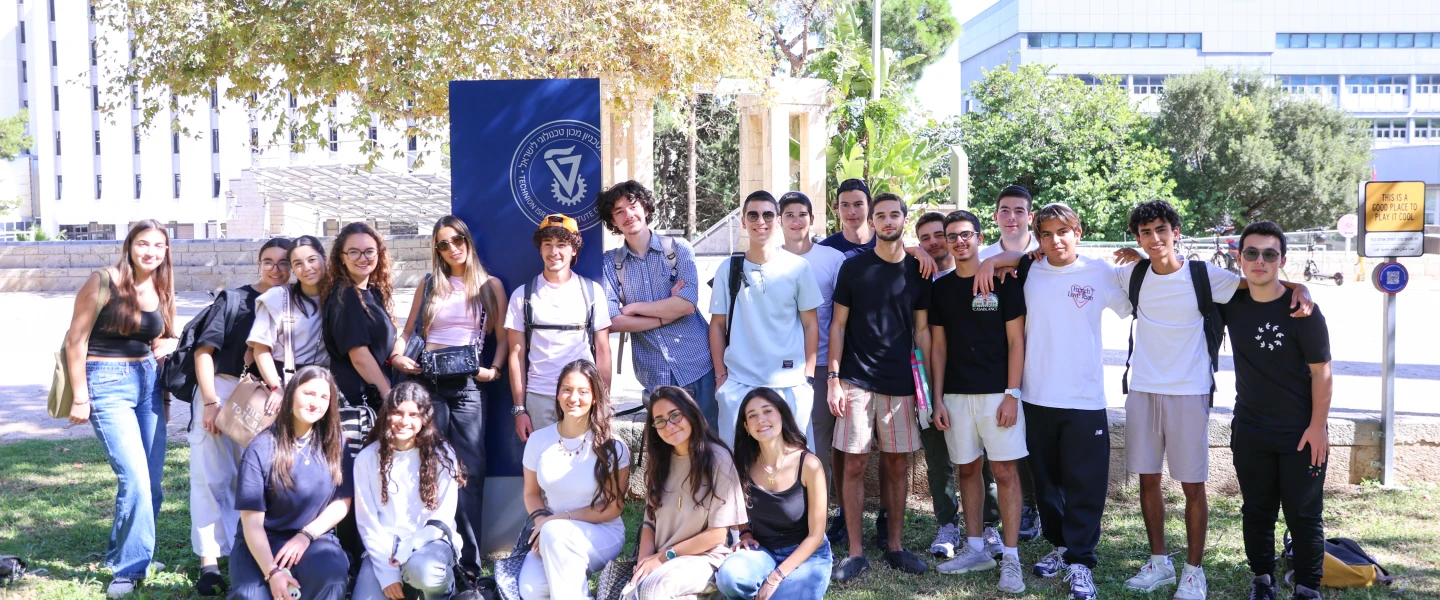
Executive Vice President and CEO of the Technion, Dr. Rafi Aviram; Vice President for Academic Affairs, Prof. Oded Rabinovitch; Technion President, Prof. Uri Sivan; and Dean of Students Prof. Guedi Capeluto, with students at the ceremony
“We are happy and proud to receive this honor,” said Technion President Prof. Uri Sivan. “Since its founding, the Technion has acted out of a sense of national mission and historical responsibility to Israeli society, its security, and its economy. Receiving the Defense Minister’s Shield is official recognition of the Technion’s commitment to the reservists of the Technion family, of whom we are immensely proud. Thousands of students and academic and administrative staff reported for duty on October 7, and many have since served hundreds of days in reserve duty. We owe them an enormous debt and are doing everything in our power to ease their daily lives – at work and in their studies – and to support them and their families. It is a great privilege.”
The Technion delegation with the Chief of the General Staff of the IDF Lt. Gen. Eyal Zamir
Prof. Oded Rabinovitch, Vice President for Academic Affairs, who served throughout the war as the Senior Vice President to the Technion President, said: “Our deep commitment to students serving in the reserves is embedded in the very essence of the Technion. Just as the students stepped forward to serve, the entire Technion community stepped forward for them and did everything possible to ensure their success. We set ourselves the goal of reaching every reservist and providing whatever assistance was needed, while reducing dropout rates to nearly zero. We are proud of our students and of the hundreds of Technion women and men who did everything they could to ensure their success, even amid the complex reality imposed on us by the war.”
Pioneering technology developed at the Technion enables the production of drugs inside the body using live bacteria
Technion researchers have developed an innovative approach that allows drugs to be produced inside the human body. The new technology, developed at the Faculty of Biotechnology and Food Engineering, uses live bacteria that manufacture the therapeutic substance. The researchers’ findings were recently published in Advanced Healthcare Materials.
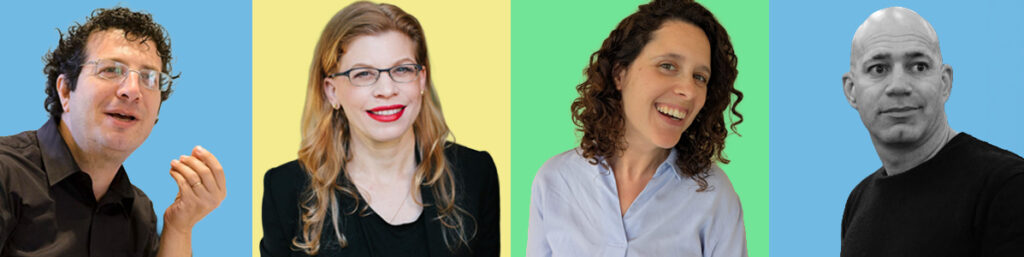
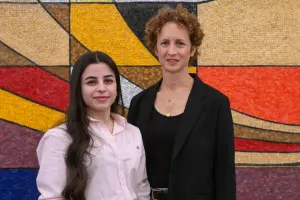
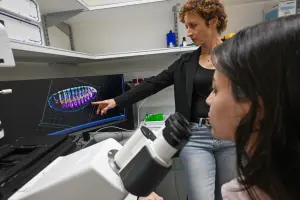
The research was led by Professor Boaz Mizrahi, Dr. Adi Gross, and Ph.D. student Caroline Hali Alperovitz. According to Prof. Mizrahi, “We are used to thinking that to introduce a drug into the body, it must be manufactured in a factory – sometimes on another continent – then formulated and finally administered to the patient via a capsule or an injection. Our paper describes a new paradigm for both drug production and consumption.”
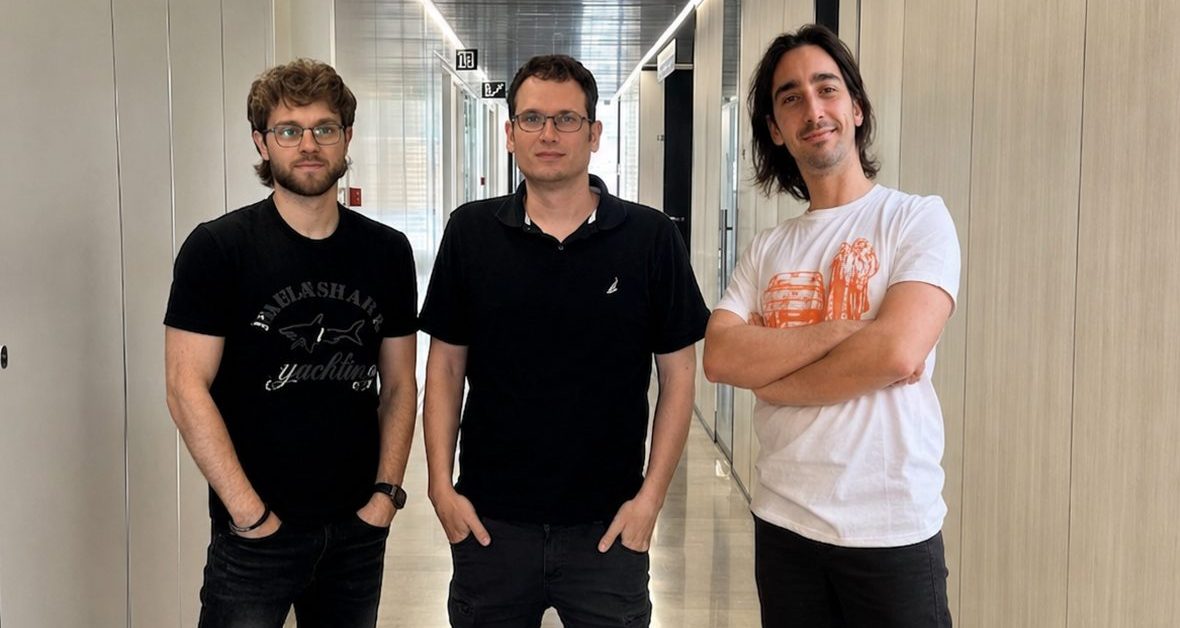
Prof. Boaz MizrahiDr. Adi GrossCaroline Hali Alperovitz
This new paradigm is based on using harmless bacteria modified to produce and secrete the desired drug inside the body. These bacteria are introduced directly into the affected organ, where they manufacture and release the drug locally, eliminating the need for swallowing or injecting additional substances.
The technology offers several key advantages. First, the drug is always fresh, as it is used immediately after being produced – a major benefit for protein-based drugs and molecules sensitive to oxidation. Second, the drug’s bioavailability is higher due to the proximity of the “factory” to the “consumer,” reducing side effects caused by drug degradation during transport in the body. Third, because the bacteria replicate within the tissue, a single “dose” of bacteria may be sufficient for weeks, lowering treatment costs.
In their study, the Technion researchers used the non-pathogenic bacterium Bacillus paralicheniformis, which they modified to produce an important protein called γ-PGA. This protein plays a crucial role in healing severe wounds, improving skin appearance, and reducing inflammation.
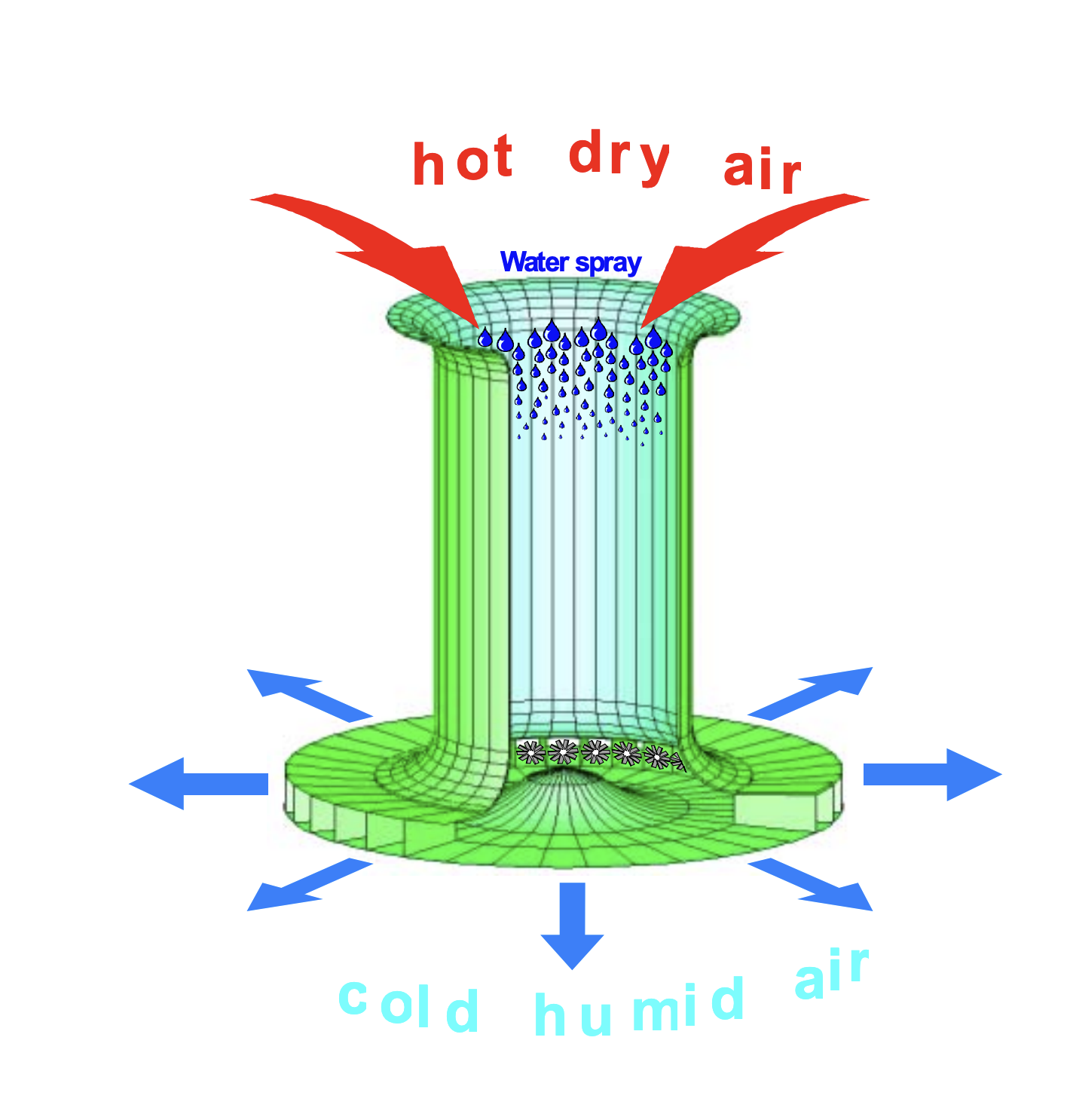
Illustration: The new concept — a bacterium (in light blue) serving as a miniature drug factory that produces the active compound in the target organ (the skin).
To deliver the bacteria into the body safely and painlessly, the researchers developed a microneedle patch. When applied to the skin, the tiny needles penetrate the dermal layer (dermis) without harming nerves or blood vessels. Contact with the dermis causes the microneedles to dissolve, releasing the bacteria and allowing them to function as a “smart biological factory” that produces the desired drug from available raw materials. Experiments confirmed the process works effectively, and the team optimized it with a nutrient medium providing the bacteria with essential materials. Detailed chemical analysis verified that the bacteria indeed produced a pure, active therapeutic substance.
To test the technology’s safety, the researchers applied the system to mice and found that their skin remained healthy, with the patch dissolving within just two hours, showing no signs of inflammation or tissue trauma.
“Large biological molecules and proteins are now used to treat a wide range of chronic and acute diseases,” explained Prof. Mizrahi. “Therefore, the innovative approach we developed could revolutionize the field of pharmaceuticals — instead of injections and pills, we could treat patients with a ‘living’ system that minimizes the need to repeatedly administer drugs, as is customary today.”
The research was supported by the Israel Science Foundation (ISF) and by the Russell Berrie Nano-technology Institute of the Technion.
Researchers at the Technion and their colleagues in China have discovered the emergence of photon “swirling” in disordered nanometric systems
The journal Nature Materials reports the discovery of “hidden order” in systems that are disordered in space and time. The breakthrough was achieved by Prof. Erez Hasman from the Faculty of Mechanical Engineering and the Helen Diller Quantum Center at the Technion – Israel Institute of Technology, together with colleagues in China led by Prof. Bo Wang, head of Spin Nanophotonics Group, at the School of Physics and Astronomy, Shanghai Jiao Tong University. Prof. Wang conducted his postdoctoral research in Prof. Hasman’s group and was part of the team behind the development of the spin laser made from two-dimensional materials.
In their paper, the researchers present a new physical phenomenon called “spin locking effect induced by Brownian motion,” which enables the detection of spin-order in a physically disordered system.
A brief explanation of two key concepts: Spin – one of the fundamental properties of elementary particles, describing their “rotation” or “twist.” This is a simplified and somewhat inaccurate metaphor, but it is the common way to describe spin. Brownian motion, also known as a “drunkard’s walk,” refers to the random movement of tiny particles (not necessarily atomic in size) suspended in or floating on a liquid. Einstein made this phenomenon famous when he published his findings in 1905.
Until now, it was believed that Brownian motion causes the scattering of photons off particles to be chaotic – that is, unpolarized and incoherent – and so too the spin of the scattered photons.
Illustration: Spin-locking effect of photons scattered from nanoparticles in a liquid, moving randomly due to Brownian motion.
The researchers set out to test whether, under specific light–matter interaction conditions, spin order could emerge – and found that it can. When they shone laser light on nanometric particles suspended in a liquid at room temperature, they discovered that the photons scattered sideways, beyond the laser’s impact zone, became “locked” in their spin. They demonstrated that this spin locking arises precisely because of the particles’ random movement – their Brownian motion.
This process also allowed the researchers to measure the size of the particles, since the spin-locking effect depends on both particle size and material type, thus revealing information about them.
According to Prof. Hasman: “Our discovery beautifully illustrates the importance of experimental physics. We have shown that it is precisely the most disordered systems – in both space and time – that hold the key to the emergence of deep order. The spin-locking effect in a system undergoing Brownian motion is a previously unknown phenomenon, and we hope and believe that its applications – from nanoparticle characterization to the development of new optical technologies – will make a significant contribution to science and industry in the future.”
Cover image featured on the February 2026 issue of Nature Materials
H2Pro believes it can slash costs and clean up one of the world’s dirtiest industries.
In the Caesarea industrial zone, an Israeli startup is working on a technology that could help reinvent one of the world’s most polluting industries. H2Pro, founded in 2019 after a chance bus ride conversation between two Technion professors and later led by serial entrepreneur Talmon Marco, is aiming to transform how green hydrogen, hydrogen produced without carbon emissions from renewable energy, is generated.
The means: a fundamental re-architecture of electrolysis, the decades-old process used to produce hydrogen from water. The ambition is bold, streamlining the process enough to drive the cost of green hydrogen down to around one dollar per kilogram, making it competitive with hydrogen produced using fossil fuels.
Prof. Avner Rothschild (left), Prof. Gideon Grader of H2Pro (Daniel Campos)
Today, the world consumes roughly 100 million tons of hydrogen each year, a market worth an estimated $200 billion. “The large hydrogen market today is in refineries, chemical plants, and steel manufacturing, and in the future, jet fuel production,” says H2Pro CEO Tzahi Rodrig. The problem is that hydrogen production accounts for roughly 2.5% of global greenhouse gas emissions.
“About half of the hydrogen used globally goes to ammonia production, and the other half to the oil industry,” says Prof. Gideon Grader, one of H2Pro’s founders from the Technion. “This market creates enormous pollution because of the way hydrogen is produced.”
Most hydrogen today is made using steam methane reforming (SMR), a cheap but highly polluting process that relies on natural gas. The clean alternative, electrolysis, which separates hydrogen from oxygen in water using electricity, has been known for more than a century, but it remains prohibitively expensive.
“The cost of producing hydrogen through electrolysis simply can’t compete with the polluting methods,” says Prof. Avner Rothschild, another Technion professor and company co-founder. The most expensive and problematic component, he explains, is the membrane at the heart of the electrolyser, which separates hydrogen and oxygen gases.
“Our invention challenged something that no one had questioned before,” says Rothschild. Instead of producing hydrogen and oxygen simultaneously, separated by a membrane, H2Pro’s system generates the two gases in separate stages.
In the first stage, one electrode produces hydrogen while the other temporarily stores oxygen. In the second stage, the oxygen is released. “This two-step architecture dramatically reduces costs and complexity,” Rothschild says.
The change required an entirely new type of electrode. “We had to reinvent the electrode, its composition, its structure, everything,” he explains. At H2Pro’s R&D facility in Caesarea, engineers manufacture electrodes from scratch, mixing metal powders and sintering them at temperatures of up to 1,200 degrees Celsius to withstand the harsh operating conditions inside the electrolyzer.
Protecting the technology poses its own challenge. “You can’t protect hydrogen itself, it’s a natural molecule,” says Dr. Revital Green of the Ehrlich Intellectual Property Group. “Once hydrogen is sold, there’s no way to trace its origin. That’s why protection has to focus on the system: the components, their configuration, and how they interact.”
For hydrogen to be truly green, it must be produced using renewable electricity from solar or wind. But those energy sources are inherently volatile.
“Conventional electrolyzers don’t cope well with fluctuations in power supply,” says Rothschild. “They degrade quickly, and that comes at a high cost.”
H2Pro’s system, by contrast, can be turned on and off repeatedly without damage. “Existing electrolyzers can’t handle constant cycling,” says Rodrig. “Ours can.”
That capability allows the system to be connected directly to solar fields. In theory, farmers growing tomatoes or cucumbers could also produce hydrogen on-site and sell it as an additional revenue stream.
“To reach one dollar per kilogram of hydrogen, every cost component has to be attacked,” says Rodrig. “Electricity is the biggest one. At around five cents per kilowatt-hour, the math starts to work.”
Talmon Marco, who chairs the company after selling Viber for $900 million in 2014 and Juno for $200 million in 2017, is cautious about timelines. “A dollar per kilogram is an extremely tough target,” he says. “But reaching a low, economically viable price, probably around 2031, is realistic.”
Marco frames the effort as part of a broader climate solution. “Green energy may be less fashionable right now, but progress is real, especially in China,” he says. “In the end, we’ll have to go where the problem leads us: solving the climate crisis.”
H2Pro has raised more than $100 million from investors, including Bill Gates’ Breakthrough Energy fund and Singapore’s sovereign wealth fund. A 50-kilowatt system is already operating at its Caesarea facility. In February 2026, a 500-kilowatt system is scheduled to go live in Ziporit, near the Sea of Galilee, followed by a much larger system, up to 50 megawatts, in Spain or Portugal.
“There simply isn’t enough green hydrogen today,” says Rodrig. “Even if everyone wanted to switch tomorrow, the supply doesn’t exist. Someone has to build the infrastructure.”
That demand could soon explode. “Aviation wants hydrogen. Shipping wants hydrogen. Heavy-duty trucking wants hydrogen,” he says. “We’re talking about a market that could eventually reach trillions of dollars.”
Cornell Tech hosted the inaugural Disability and Access in Tech and AI Summit on Oct. 9-10 on its Roosevelt Island campus, bringing together researchers, technologists, and community advocates to explore how disability and accessibility intersect with innovation. The summit welcomed speakers, students, faculty, alumni, and community members from Cornell’s Ithaca campus, New York City, and around the United States. The event, designed to be a space for dialogue, lived experience, and cross-sector collaboration in addition to showcasing research, was co-organized by Omari W. Keeles, senior director for diversity, equity, inclusion, and belonging, and Thijs Roumen, assistant professor of information science at Cornell Tech.
The idea to create the event emerged from conversations across campus and a growing recognition that accessibility deserves a central place in the tech landscape.
“We felt there was a bigger opportunity here,” said Roumen, who is also affiliated with the Bowers College of Computing and Information Science. “The most important outcome is to find one another — those who built technology, those who make policy, and those who use the technology. There is so much we can all learn from one another.”
Event organizers Thijs Roumen and Omari W. Keeles.
The event was powered by YAI, a nonprofit organization that supports people with intellectual and developmental disabilities. YAI’s involvement helped ground the summit in real-world impact, connecting Cornell Tech’s academic community with practitioners and advocates working directly with people with disabilities. YAI also co-hosted interactive workshops, including one where attendees could try out assistive technologies and engage with startup founders developing tools for communication and mobility. In welcome remarks, Keeles began the summit by acknowledging the systemic barriers that have historically excluded disabled voices from tech and academia. “When disabled researchers and practitioners lead and contribute to the development of technology, the outcomes are more responsive, more creative, and ultimately more just,” he said.
The opening keynote was delivered by Shiri Azenkot, associate professor of information science at Cornell Tech, Cornell Bowers, and the Jacobs Technion-Cornell Institute. Azenkot shared her lab’s work on making augmented and virtual reality technologies accessible to people with low vision and other disabilities.
One project involved designing an augmented reality system to help users locate specific products on store shelves, a task that can be frustrating and time-consuming without visual cues. Another explored how blind users could navigate social virtual reality environments using a “sighted guide” avatar they could virtually “hold onto.”
Throughout the summit, panels covered a wide range of topics, each rooted in personal experience and practical application. One session explored the challenges of navigating graduate school while undergoing cancer treatment, highlighting the often invisible nature of disability. Another focused on mental health and disability justice in higher education, with speakers reflecting on how institutions can better support students and faculty with neurodivergence or intellectual disabilities.
A panel on AI and safety examined how emerging technologies can support disabled people across cultures, while another featured startup founders building expressive communication tools for nonverbal users.
Stephanie Valencia, assistant professor at the University of Maryland, giving a talk on Day One of the Disability and Access in Tech and AI Summit.
The summit concluded with a powerful closing keynote by University of Washington Professor Jennifer Mankoff, a leading researcher in human-centered design and accessibility. Mankoff shared insights from her work on accessibility in AI and the importance of centering disabled voices in technology development. The event’s hybrid format, in-person on Thursday and fully remote on Friday, reflected this ethos, ensuring broader participation for those unable to travel to New York City and expanding the accessibility of the summit.
Roumen said he hopes the summit will inspire students and technologists to think more deeply about accessibility — not just as a niche concern, but as a universal design challenge.
“I hope more people, even those not directly working on accessibility, take this important demographic into consideration when developing technology and policy,” he said. “This will not only make the world better for people with disabilities, but for everybody else too.”
Pigs have long carried a bad reputation. They are often described as dirty, greedy animals that eat everything in sight and spend their days lying around. In reality, none of these stereotypes are true. Pigs are intelligent, have a highly developed sense of smell and like to stay clean. They often roll in mud not because of laziness but to cool down and protect themselves from parasites.
But there is another, far more important fact about pigs: they are now at the center of a medical revolution that could transform the future of organ transplantation. With demand for donor organs vastly outpacing supply, researchers are turning to genetically engineered pigs as potential life-saving sources of hearts, kidneys, livers and even lungs.
(Photo: Shutterstock)
The idea is not based on vague similarity to humans but on precise genetic engineering. By shutting off certain pig genes, such as the one that produces a sugar molecule called alpha-gal, and adding human genes, scientists can make pig organs appear more “human” to the immune system, reducing the risk of immediate rejection.
A global shortage
The need is urgent. More than 100,000 people in the United States are waiting for an organ transplant, most of them for kidneys, and thousands die each year before a donor is found. Israel faces a similar shortage. According to Prof. Mordechai Kramer, head of the lung transplant unit at Rabin Medical Center (Beilinson Hospital), only about 40 lung transplants are performed each year in Israel, while some 180 patients remain on the waiting list. “People die while waiting,” Kramer said. “And that’s just lungs. What about all the other organs?”
Clinical trials approved in the US
In recent months, two milestones have made headlines. In the U.S., the Food and Drug Administration for the first time approved large-scale clinical trials of pig organ transplants in humans. The biotech company eGenesis, a leader in the field, is set to begin pig kidney transplants this year, aiming to treat dozens of patients in a monitored trial. The step marks a shift from rare “compassionate use” cases to systematic research with broad patient groups.
The key lies in the blood vessels that connect directly with human circulation. In pigs, the sugar alpha-gal on the surface of cells triggers an immediate, destructive immune response. Using CRISPR gene-editing tools, companies disable this gene and add human genetic material to soften the body’s attack, allowing the organ to survive longer.
A pig lung that breathed inside a human body
Meanwhile, in China, doctors achieved a stunning breakthrough in May 2024 by transplanting a genetically engineered pig lung into a brain-dead 39-year-old man. The lung functioned for nine days before doctors ended the trial. Crucially, it did not trigger immediate rejection. “The great achievement is that hyper-acute rejection did not occur,” said Dr. Liran Levy, head of the lung transplant program at Sheba Medical Center near Tel Aviv.
Lungs are among the most complex organs to transplant because of their constant exposure to air and microbes, making them highly likely to trigger immune responses. That a pig lung could function for more than a week inside a human body offers new hope.
Pig livers and kidneys
Other recent experiments also show progress. In March 2025, researchers in China reported that a genetically modified pig liver survived for 10 days inside a brain-dead patient, producing bile and proteins while maintaining blood flow. In April 2025, doctors in New York announced that Tuanna Looney, a 54-year-old Alabama woman, had lived for 130 days with a pig kidney — the longest period ever recorded.
“She had been on dialysis since 2016 and was not eligible for a human kidney transplant,” said Prof. Eytan Mor, director of kidney transplants at Sheba Medical Center. “The fact that a pig kidney survived more than four months is remarkable. If we reach the point where it can last five years, that would be a giant leap for medicine.”
Israeli contributions
Israel has also played a role in advancing the field. In 2021, a team at Beilinson Hospital developed a method of stripping pig blood vessels and coating them with human cells taken from placentas. The approach makes the organ’s blood vessel lining look human to the immune system, complementing CRISPR-based genetic editing.
“This point of contact between the organ and human blood is critical,” said the researchers. “If we can reduce the immune system’s recognition of the organ as foreign, we can extend survival.”
Ethics and Jewish law
For many Jews, the use of pigs raises cultural and religious questions. But Prof. Kramer emphasized that Jewish law permits the use of pig organs to save lives. “There’s no prohibition here. This is about pikuach nefesh — saving a life. Even today, heart valves from pigs are used in patients. I cannot imagine any rabbi forbidding the use of a pig organ if it means saving someone.”
Beyond pigs: bioprinting and stem cells
At the same time, researchers are exploring other frontiers. At the Technion – Israel Institute of Technology, Prof. Shulamit Levenberg leads Israel’s first center for 3D bioprinting, which develops tissue from stem cells. “We are not yet able to print a fully functional lung that can oxygenate blood,” she said, “but the technology is advancing. For now, transplants from animals are closer to clinical use than 3D-printed organs.”
Still, scientists see the fields converging. Some are working on “universal” human stem cells for bioprinting, while others are engineering pigs to reduce rejection. The ultimate goal is to produce safe, reliable organs on demand.
Last Tuesday marked the 40th anniversary of Excel, one of the most powerful and influential tools ever created by the global software industry. When Microsoft’s now-legendary spreadsheet program was born — originally for Apple’s rival Macintosh computer — it wasn’t the first of its kind. Its predecessor, Lotus 1-2-3, still dominated the market.
What began as a simple, focused tool for accountants and bookkeepers evolved into a global powerhouse that helped drive the personal computing revolution. From students to CEOs, from startups to governments — Excel is now used by some 800 million people worldwide.
What is less known is that a decisive share of this phenomenal success — which has earned Microsoft billions over the years — belongs to hundreds of engineers in Excel’s Israeli development center in Herzliya, and to the two people who lead it: Tamar Tzruya Bar-Zakai, 54, and Yair Helman, 56. The pair, among Microsoft’s longest-serving and most senior executives (Helman has been with the company for 28 years, Tzruya for “only” 16), both live in Even Yehuda and have played a key role in transforming Excel — especially over the past decade — from a technical, even dull spreadsheet into a dynamic online platform now undergoing a revolution through artificial intelligence.
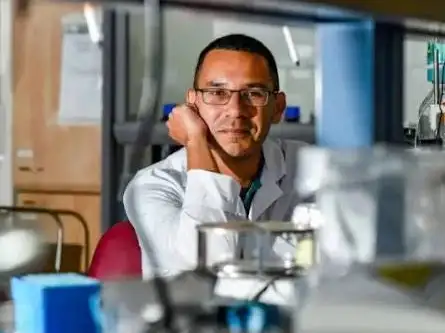
Yair Helman, who studied computer engineering at the Technion, now leads Excel’s Core Engineering team at Microsoft’s Israeli development centre.
I’ll never forget my first visit to the Technion in my early twenties. Visiting the engineering department with my parents, themselves devoted ATS supporters, we watched a professor conduct an aerodynamics experiment with nothing more than a hairdryer. That brilliant mind, working with limited resources, embodied Israeli ingenuity at its finest.
Following in my parents’ footsteps, I’ve only deepened my commitment to the Technion over the years. Recently, I established my first charitable gift annuity (CGA) to achieve two goals: supporting the groundbreaking work of Technion professors and researchers while generating a strong return on my investment.
Sometimes the best financial decisions are also the most meaningful. By funding a CGA, I’ve locked in an attractive interest rate that exceeds those of high-yield savings accounts or CDs while creating a reliable income stream for life. I also received an immediate tax deduction. After my lifetime, the remaining balance will support the Technion’s vital mission.
I’m doing well by doing good.
Here’s an interesting bit of trivia: donors who fund CGAs tend to outlive their actuarial expectations! Confounding factors aside, I’m proud to join this vibrant, long-lived cohort.
There’s no better time to fund a CGA than now. Rates are at historic highs, and Israel needs us more than ever. During my visit to the Technion last summer, I felt my passion for the Technion strengthen. I want to do my part to help brilliant Technion minds make groundbreaking discoveries and secure Israel’s future.
Imagine: After a business lunch in Tel Aviv, you’re back in New York City in time for dinner. Your teen aces her afternoon math exam in Boston before kicking her way to victory at a twilight soccer match in Los Angeles. Academic researchers are discovering new minerals on their weekly expeditions to the moon. You’re looking forward to a well-deserved summer vacation beneath the soaring mountains of Mars.
Possibilities like these may be science fiction today, but tomorrow they could become reality thanks to high-speed (or hypersonic) flight, enabled by technologies that Technion minds are working diligently to develop — not only to expand humanity’s access to distant locales, but also to preserve Israeli lives.
Indeed, the same technologies that will enable rapid transport across the globe and into space will also prepare Israel to defend itself against a new generation of airborne threats: missiles that can travel faster than a bullet and evade even the most cutting-edge defense systems.
Fielding an aircraft at hypersonic speeds — greater than Mach 5, or five times the speed of sound — is an extraordinary feat.
“When vehicles travel at hypersonic speeds, conventional aerodynamics, physics, and engineering go out the window,” said Brigadier General (ret.) Amnon Harari, director of the Center for High-Speed Flight at the Technion. “The time-tested mathematical equations that dictate forces like lift and thrust no longer apply.”
The conditions of hypersonic flight are extreme, to say the least. Shock waves form around the vehicle, the surrounding air becomes turbulent and chaotic, and the vehicle’s ability to position itself and maneuver is affected. The friction between the vehicle and the air generates pressure that could crush conventional aircraft and heat that rivals the surface of the sun. The chemical composition of the air changes, transforming the molecules into their atomic components, and then energizing them into ions — substances that attack surfaces and confound engines. Indeed, both the composition of the air and the speed at which it travels present significant challenges related to engine design.
“At hypersonic speeds, igniting an engine is like lighting a match in a hurricane,” said Joe Lefkowitz, associate professor in the Stephen B. Klein Faculty of Aerospace Engineering and co-founder of the Center for High-Speed Flight. In short, hypersonics necessitate a revolution in every aspect of aircraft design: a completely different propulsion system, aerodynamic design, materials, structure, controls, and fuels.
PROF. JOE LEFKOWITZ.
The Vital Importance of Hypersonics Research
Global interest in high-speed flight dates back to the 1930s, when the question of fielding a vehicle at very high speeds was merely a thought experiment.
Theory gave way to practice in the 1960s, as the United States and Soviet Union raced to space — or, more precisely, made the journey back to Earth. The hypersonic regime does not take effect in space, given the absence of air, but rather kicks in once the vehicle approaches Earth, accelerates due to gravity, and makes contact with air.
Today, the world’s interest in hypersonics is driven by military imperatives, as the U.S., China, Russia, Iran, and other nations race to develop these technologies to outgun their adversaries.
“Every world superpower has hypersonic technology in development,” explained Harari. “Most pertinent to Israel, our regional foes, including Iran and Iran-backed Houthi rebels in Yemen, are developing hypersonic missiles.”
– BRIGADIER GENERAL (RET.) AMNON HARARI, DIRECTOR OF THE CENTER FOR HIGH-SPEED FLIGHT AT THE TECHNION.
Such missiles are particularly deadly because they have the ability to maneuver, to curve and swerve, thereby evading traditional defense systems. They also have a greater ability than traditional missiles to strike without warning, because they can travel lower in the atmosphere, flying under the radar.
A Growing Threat to Israel
When Houthis attacked Ben-Gurion International Airport on May 4, 2025, they used a ballistic missile that some believe had hypersonic capabilities. The Houthis have claimed the missile has stealth technology, a range of 1,335 miles, high maneuverability, and the ability to travel up to speeds of Mach 16. While these claims have not been validated, we do know the missile defied Israel’s efforts to intercept it using its long-range Arrow Antimissile System and the U.S.-made Terminal High-Altitude Area Defense (THAAD) antimissile system. The strike damaged airport infrastructure, injured Israeli citizens, and temporarily grounded flights to and from the airport.
Iran, like the Houthis, has boasted of having hypersonic capabilities. Though the missiles Iran deployed against Israel in June 2025 lacked the maneuverability of true hypersonic missiles, the nation’s bluster indicates its hypersonic ambitions.
Israel had anticipated such a threat long before 2025. While David’s Sling, Iron Dome, and the Arrow Antimissile System have saved millions of Israeli lives, new defensive technology is needed to counter the hypersonic threats of today and tomorrow.
The Technion began exploring the possibility of a comprehensive program in hypersonic research as early as 2018, when Prof. Lefkowitz and Prof. Dan Michaels in the aerospace engineering faculty began drumming up interest among their colleagues. Their vision was to create a new center that would serve as a national hub for hypersonic research.
PROF. DAN MICHAELS, HEAD OF THE SYLVIA AND DAVID I.A. FINE ROCKET PROPULSION CENTER.
Technion leadership — and the University’s founding partner, Israel’s Directorate of Defense Research and Development — appreciated the relevance of hypersonic capabilities to Israel’s security. If Israel were to successfully defend itself against hypersonic missiles, it would need to understand how they operated.
Today, with the only faculty of aerospace engineering in Israel, the Technion is the national nexus for fundamental research on hypersonics in Israel. Launched in 2023, the Center for High-Speed Flight is breaking new ground in the field.
PROF. LEFKOWITZ’S COMBUSTION AND DIAGNOSTICS LABORATORY. CREDIT: SIVAN SHACHOR
A Technion Research Priority
The Center’s research aims to answer perplexing questions related to hypersonic flight: What kinds of materials can withstand the heat, pressure, and chemical reactions related to high-speed flight? How do you build an engine that can ignite and sustain a flame in air traveling so fast, air that is no longer composed of oxygen? How do you create fuels that not only provide energy, but also double as a coolant? What is the precise balance of lift and thrust needed to field a vehicle when the traditional laws of aerodynamics no longer apply?
Answering these questions will require extensive research infrastructure. Aircraft are designed using very large wind tunnels that simulate the conditions of flight. While the Technion already boasts one impressive tunnel that is designed to test materials and can heat air to temperatures of more than 9,000 degrees Fahrenheit, additional infrastructure is needed to test engines and fuels.
RENDERED IMAGE OF A SUPERHEATED JET ENGINE.
“Hypersonic conditions are so extreme that a single wind tunnel will not suffice,” explained Harari. “You need multiple tunnels to conduct this research, and that’s exactly what we’re building in the Center.”
Hypersonics research also requires expertise from multiple academic disciplines, including materials science and engineering, mechanical engineering, chemical engineering, and physics. By bringing together researchers from these diverse fields — both Technion faculty and visiting professors — the Center will facilitate this kind of collaboration.
“Our hope is that the Center for High-Speed Flight will serve as a hub for world-class, interdisciplinary collaboration on hypersonics,” said Prof. Michaels.
To advance this research, the Technion has assembled a diverse coalition of external collaborators, with funding for the Center coming from the Ministry of Defense, Israeli industry, and donors from the American Technion Society and around the world.
“What we’ve done in the Center is amazing,” said Harari. “Israeli defense companies that compete with one another on a daily basis for market share are sitting together around the same table.” They are also collaborating with branches of the U.S. military — particularly the Air Force Research Laboratory and the Naval Research Laboratory.
Harari continued, “Ultimately, our hope is that fundamental research born in Technion labs will provide our Israeli industry and military partners with the insights needed to create a protective shield around Israel — while also benefiting our greatest ally, the United States.”
The Future of High-Speed Flight
Though the defense applications of hypersonic technology are the most immediately relevant to Israel, the science might eventually lead to civilian applications, too. Perhaps most exciting is the potential for expanded access to space.
“Within the realm of hypersonic research, the civilian dream is space access,” said Prof. Lefkowitz.
As numerous disasters have reminded us, flying to space using a conventional rocket is risky. Rockets carry massive oxidizer tanks that can result in deadly explosions. Hypersonic engines — which are known as scramjet engines and can accelerate a vehicle up to 10,000 feet per second — rely on air flowing into the vehicle, which significantly reduces the oxygen required on board. This can make hypersonic travel to space both safer and cheaper and creates the possibility of making space travel a routine occurrence.
“Today, space travel is reserved for a handful of highly trained astronauts each year,” said Prof. Lefkowitz. “Imagine, though, if traveling to space were as easy as purchasing a ticket and packing your bags.”
Prof. Michaels points to the potential for interplanetary travel as an exciting extension of expanded space access. Just as rockets must withstand hypersonic conditions upon reentering Earth’s atmosphere, the same is true for entry to other planets’ atmospheres. Though fielding manned hypersonic vehicles presents a unique set of challenges — given the need to protect passengers from the intense heat and sound and to compensate for additional size and weight — such vehicles could expand the frontiers of scientific research.
“The potential of hypersonic technology to advance planetary research is quite promising,” said Prof. Michaels.
“From its roots in defense, hypersonic research has the potential to grow exponentially in decades to come, leading to new technologies that will benefit human travel in our solar system.”
– PROF. DAN MICHAELS
On the slopes of Mount Carmel, the Technion’s brightest minds are working hard to crack the code on hypersonics. For Israel, this research is not a luxury, but a vital security need.
Yet the same research that will help create a protective shield around Israel may one day afford humanity the luxuries we can only dream of — whether it’s traversing the Earth in hours or catching a flight to a nearby planet, making the globe smaller while also expanding our world. Though such capabilities may still seem distant, Technion research is drawing us closer to these extraordinary possibilities.
President Isaac Herzog this evening, (Wednesday, 22 October 2025), conferred the Israeli Presidential Medal of Honor upon nine distinguished laureates from diverse fields, in recognition of their lifelong contribution to the State of Israel and the Jewish people.
The ceremony took place at the President’s Residence in Jerusalem, in the presence of U.S. Ambassador to Israel Mike Huckabee, and with the participation of freed hostages Matan Angrest and Segev Kalfon and their families.
Initiated in 2012 by the Ninth President of Israel, Shimon Peres, the Israeli Presidential Medal of Honor is awarded to those “who, by virtue of their skills, service, or in any other way, have made an exceptional contribution to the State of Israel or to humanity.”
This year’s recipients of the Medal are:
Prof. Avi Ohry, Justice (ret.) George Karra, Galila Ron-Feder Amit, Prof. Dina Porat, Dr. Yossi Vardi, Sheikh Muwaffaq Tarif, Moti Malka, Dr. Miriam Adelson, and Dr. Mathias Döpfner.
From President Herzog’s remarks:
“Each and every one of our honorees tonight is a person of spirit and action, of vision and purpose. They refused to accept the world as it is and chose instead to work for the world as it can and should be. Each of them, in their own way, has changed a corner of our reality and made it better, and for that, our gratitude and appreciation will endure forever.
“I am particularly moved to welcome here tonight Matan Angrest and Segev Kalfon, who have returned to us from Hamas captivity in Gaza. How good it is to have you here with us.
“These past two years have not been easy for any of us. Even tonight, soldiers stand on the frontlines defending our people. Hostages, the bodies of our fallen are still held by a cruel enemy, and we cry out and demand their immediate release — by every means and in every way — until the last of them returns home. There are the wounded who remain in hospitals, those struggling to heal their minds and hearts, and families who continue to mourn. There is no Israeli who does not feel the pain and anxiety of this time.
“Yet we also see, in the midst of our trials, the spirit of mutual responsibility that defines us. This evening, in these nine exemplary figures before us, we are reminded of the light within us, of the values that unite the people of Israel and all humanity, across every belief and way of life. To each of you: thank you for choosing hope over despair.”
Remarks by Dr. Miriam Adelson, on behalf of the laureates:
“Two years ago, like all of us, I plunged into the depths of the trauma of war in Gaza. I did what I could to help, not in an army uniform, as I left that to my grandchildren’s proud generation, and not in a doctor’s coat, for we are blessed with devoted and talented physicians in Israel.
“My role was to help raise awareness in America of the true humanitarian crisis — the hostages. Alongside the deep grief for those we lost, there was immense relief and joy in watching them emerge, one by one, from the hell of the tunnels, returning to the paradise, imperfect though it may be, that we call the Land of Israel.
“The mission is not complete. Thirteen of our sons and daughters are still in captivity. We will not rest, we will not be silent, until they all come home. We are proud of our soldiers who risk their lives to defend us all, and we carry in our hearts the memory of those who gave their lives so that we might live.”
The Israeli Presidential Medal of Honor is the highest civilian recognition awarded by the President of the State of Israel. Since its inception, the medal has been presented to leading figures in Israel and abroad — including heads of state, social and cultural leaders, and Jewish figures worldwide — whose work exemplifies excellence, solidarity, and humanity.