Israeli researchers from the Technion are developing a solution that addresses the shortages in seasonal harvesters: robots that pick fruit for us.
Throughout history, early summer has often signaled the time to harvest. Harvesting, of course, has evolved considerably. As opposed to ancient times when mobilizing the whole community was necessary to fully harvest grain, there are sophisticated machines nowadays run by just a few individual operators that quickly navigate through fields and efficiently process many acres at a time.
However, in the case of fruits, there is still a need for a great deal of manual labor throughout the harvesting process today, but workers are in short supply. The farming labor and resource shortage is reported in many countries across the world including the United States, Australia, the United Kingdom, Vietnam and Brazil. Unharvested produce leads to a loss of food quality and spurs enormous economic losses, a fact that will become more evident and problematic as the world population continues to increase.
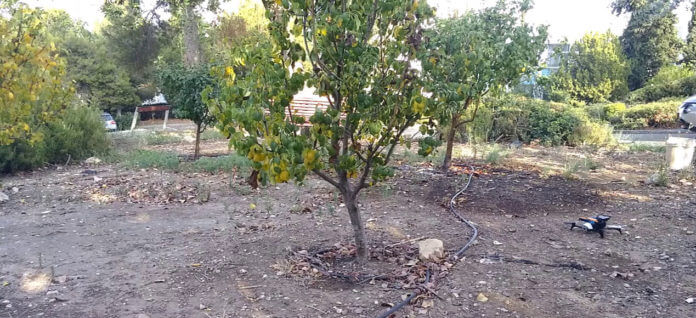
In a new Israeli study, researchers from the Technion developed a ground mobile robot that could drastically advance fruit agriculture and harvesting. The robot, whose development was led by Associate Professor Amir Degani from the Technion’s Environmental, Water, and Agriculture Engineering Department, will have the capability to use one or multiple small-sized drones to perform the operations required in orchards much more accurately and cheaper than the methods used by farmers today.
The study was recently presented at the “Water and Environmental Engineering in the Face of Climate Change” conference of the Environmental, Water, and Agriculture Engineering Department at the Technion’s Faculty of Civil and Environmental Engineering.
The Need for Better Fruit-Picking Robotics
The gap between the number of seasonal laborers and the volume of work is expected to significantly expand as the world population continues to grow. By 2050 there are expected to be more than 9 billion people in the world, and in order to feed them all it will be necessary to increase the volume of food production anywhere from 35-60 percent (unless the whole world switches to a plant-based diet).
One might expect though that with such a highly populated world there would be no shortage of working personnel, but sadly this is not the case.
“People have been moving from villages to cities for decades – and fewer people want to engage in manual labor,” Degani explains. “It’s seen in construction and agriculture, and it happens everywhere – including in countries with very large populations, like India and China. In India, for example, harvesting coconut is a very important task – but fewer and fewer people want to work in that field.”
According to him, the problem also exists in Israel. “As in many Western countries, there are quite a few years in Israel where apples fall to the ground because no one is there to pick them in time.”
Degani believes the solution to these problems lies in robots that know how to pick fruits.
“Just as automation has solved many of the problems that plagued field crops, like using machines such as combine harvesters, once we adapt this strategy to plantations farmers will be able to better streamline and reduce the uncertainty that currently surrounds the acquisition of skilled seasonal labor for specific times of the year,” he says.
It is important to note that automating harvests should be approached differently than those used for field crops, which involve rough, large, and overly expensive machines.
“In field crops, massive harvesting is carried out all over the area––usually indiscriminately,” says Degani. “Picking edible fruit should be gentle and selective. The fruits should be picked one by one and handled carefully.”
Interestingly, he claims that the robotic arms currently used in factories, which have a large range of motion and accurate precision capabilities that humans can only dream of, are not suitable for the task.
“Although these robotic arms know how to perform a pre-planned operation, their sensing and decision making capabilities are limited and are not suitable for agriculture,” he says. “Agriculture is a more difficult world. Agriculture takes place in an uncertain environment with fluctuating changes in light and outdoor conditions, so the robot must have complex sensing and decision making capabilities.” According to him, the robot should not be too expensive of an alternative because otherwise many farmers will not be able to afford it.
Call in Air Support
Degani and his team began to approach the challenge of the harvesting robot’s development by first addressing its maneuverability in the orchard, a task more complicated than it sounds.
“In order for the robot to patrol and weave through all the trees and detect pests or ripe apples, for example, it must know where it exactly is,” Degani explains. The orchard environment is relatively homogeneous from a ground point of view, with most of the trees looking about the same and the GPS reception not being particularly reliable.
This obstacle gave rise to the idea of establishing a connection between a ground mobile robot and a drone. The researchers found that when utilizing the perspective of a low-flying drone, the top-view observation of the orchard provides a unique signature of every tree formed by the shape of its canopy. The first study on the subject was published in the robotics and automation section of the IEEE magazine.
Currently, researchers are working on additional ways in which the farming robot can use small drones to perform the operations required for harvesting orchards. First, they demonstrated that a drone could hover around a tree, creating a detailed three-dimensional image of each of the trees in the area. These are needed to make the harvesting process more efficient and reflect more modern model of precision agriculture.
“The meaning of ‘precision agriculture’ is that instead of making decisions on issues relating to things like fertilization, irrigation, thinning, pest management, or harvesting at the entire field level, we will look at the agricultural plot at a higher resolution and make such decisions down to the individual tree level,” explains Degani.
This will make it possible to increase the volume of produce, by providing the best conditions for each individual tree, and beyond that, save the use of resources such as water, fertilizer, and potentially dangerous pesticides.
Degani believes the solution lies in the capabilities of a ground mobile robot that knows how to navigate around the wood, perform precise mechanical operations, and even pollinate flowers––another separate project currently under development in the laboratory.
A Shift From Human to Robot?
Today, Degani’s studies are in the prototype stage, and they demonstrate possibilities for future development. In any case, there are already several automation attempts in the fruit harvesting industry represented by Israeli companies such as FFRobotics, a robot equipped with the ability to emulate human hand-picking, and Tevel Aerobotics Technologies, which developed a flying harvester that is scheduled to enter its pilot phase in the coming year.
Beyond that, not only is the identity of the harvester expected to shift from human to robot – but the structure of the orchard itself is also speculated to change.
“The way we engineer and grow trees will change, and they will be designed in a way that is right for robotic harvesting,” Degani explains. “Even today you can see in the world apple orchards that look almost like a two-dimensional wall on which fruit grows. This is not genetic engineering but mechanical engineering operations designed to make the orchard grow as efficiently as possible.” The new orchard structure allows for denser planting and is designed to enable easier harvesting for both humans and robots alike. Studies are currently underway to determine the most efficient configuration, in preparation for an era in which robots will enter the agricultural landscape.
In the end, according to Degani, everything is aimed at becoming more efficient simply because we have no other choice.
“Even in modern agriculture, the farmer will be very important, but he will need much fewer working hands,” he says. “Like quite a few things, the data will be at the center, to help him make informed decisions, and the robots will carry out the tasks in the field. This is what will direct the efficiency so that we can reach a sufficient crop target that will feed all humans,” he says.
“Because there will be less land, less resources, and less manpower over time, there is a need to find a solution. Otherwise, fruits like apples will be accessible only to the very rich,” Degani concludes.
The study is related to a problem in AI and robotics called autonomous decision-making under uncertainty.
Researchers at the Technion – Israel Institute of Technology found a way to simplify decision-making and problem-solving under uncertainty in a way that reduces the amount of information computers need to analyze.
A new peer-reviewed study published in the International Journal of Robotics Research, led by Prof. Vadim Indelman, who heads the Autonomous Navigation and Perception Lab (ANPL) at Technion’s Faculty of Aerospace Engineering, and Khen Elimelech, shows the feasibility of reducing the amount of time for computers to process information without compromising the success of completing a function.
“We demonstrate that we can significantly reduce computation time, without harming the successful execution of the task,” the researchers said. “We also demonstrate that computation efforts can be reduced even further if we accept a certain loss in performance loss that our approach can evaluate online. In an age of self-driving cars and other robots, this is an approach likely to enable autonomous online decision making in challenging scenarios, reduce response times, and achieve considerable savings in the cost of hardware and other resources.”
The study is related to a problem in AI and robotics called autonomous decision-making under uncertainty, which concerns the capability of AIs to complete tasks reliably and autonomously over time in an unpredictable environment.
Technion noted that autonomous agents often do not have access to the variables related to a particular problem and instead function based on a “belief” based on probability models and measurements.
Illustrative image of AI. (credit: PIXABAY)
Belief space planning
A major area of research in the new study was computationally efficient decision-making under these conditions, called belief space planning. In order to solve this problem, an AI must weigh the costs and benefits of a potential action, which requires the researchers to predict how the “belief” will change over time.
The findings may help researchers solve decision-making problems using simplification and show that there are ways to save considerable amounts of computation time without a loss of accuracy.
Forsight Raised $10 million in seed funding in March 2021.
Israeli medtech startup ForSight Robotics is developing a surgical robotic platform to deliver what it describes as high precision and cost-effective vision-saving surgery. Forsight just raised $55 million in a Series A round of funding led by The Adani Group alongside existing investors Eclipse Ventures and Mithril Capital.
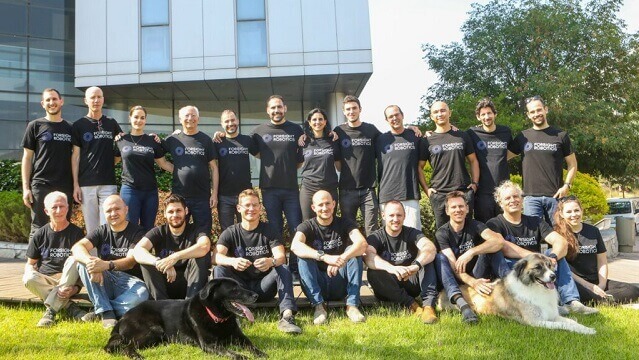
Founded in 2020 CEO Daniel Glozman, Ph.D., Joseph Nathan, M.D. and Moshe Shoham, Ph.D, Forsight declares that its mission is to transform the practice of ophthalmic surgery through a next generation robotic platform combining “state of the art robotic microsurgical technology, advanced visualization technologies, and next generation cognitive computing methods.”
Joseph Nathan previously directed healthcare commercialization at the Technion Israel Institute of Technology, where he forged partnerships worth over $1 billion with global pharmaceutical and med-tech companies. Daniel Glozman has specialized in robotics for medical applications for over 20 years, heading R&D at Medtronic Ventor Technologies, Magenta Medical, Diagnostic Robotics, and Guide-X — which he also founded.
Israeli medical professionals have been behind many new procedures to save people’s vision over the years. Losing your vision is one of the most frightening things which can happen to people. Israeli startup OrCam produces new technology for the blind and other people with visual deficiencies. Its MyEye is wearable technology that can give eyesight to the blind. But it does not heal them.
Forsight Robotics, however, tries to heal blindness. The company explains that many of the leading causes of blindness worldwide can be prevented through timely surgical procedures. Ophthalmic microsurgery is complex and challenging, requiring many years to master, and there is a shortage of trained ophthalmic surgeons to meet the demand worldwide. Creation of a robotic surgical platform will allow one to deliver consistent excellent results while scaling up ophthalmic surgery to solve the problem of preventable blindness worldwide.
“These are exciting times that will enable the transformation of ophthalmic surgery from art to science,” Forsight’s Dr. Joseph Nathan once declared.
“We are thrilled to bring robotics into the world of ophthalmic surgery,” Dr. Glozman once said. “Our goal is to democratize this highly sophisticated procedure, enabling patients around the world to easily access the treatment that can restore their vision.”
What if the cracked screen of your mobile phone or the solar panels providing energy to a satellite could self-repair?
These kinds of robots and electronics are not only a matter of science fiction — where self-aware machines can heal themselves — but of real interest for scientists and technology developers. Researchers from Technion, say self-repairing electronics may be possible and have the tech to prove it.
As the use of technology intensifies, electronics that have longer life spans become more valuable and essential for critical operations. The technology we use every day — smartphones, laptops, or tablets — has a very limited life span. These short life cycles are mostly due to electronic damage and normal degradation of electronic parts, including lithium batteries. From the government to the private tech industry, electronic damage can have significant consequences. For example, a study from the Electrostatic Discharge Association estimated that industries could lose up to £4 billion per year due to electrostatic electronic damage alone. By 2022, with an ever-expanding global cloud powered by endless servers, the risks are even higher.
Smoke, fire, water, dust, corrosion, temperature variations, radiation, mechanical shock, impact, contact failure, and thermal stress … there are numerous ways in which electronics can be damaged (via LiveWire). On the other hand, other technologies like NASA space technology or commercial satellites, which cannot be accessed for maintenance or repairs, require longer life spans but still depend on electronics susceptible to damage. Self-healing electronics, while still a dream, could become the “holy tech grail.”
A research group led by Professor Yehonadav Bekenstein from the Faculty of Materials Sciences and Engineering and the Solid-State Institute at Technion was studying perovskite nanoparticles for their potential to provide a green alternative to toxic lead materials used heavily in electronics. In doing so, they found something unexpected.
The team found on a microscopic level that the nanocrystals moved a hole (damage) through the areas of a structure to self-heal. Surprised by this, the researchers drew up a code to analyze microscopic videos and understand the dynamics and movements within the crystal. The researchers realized that the damaged area, or hole, formed on the surface of the nanoparticles, then moved to energetically stable areas inside, and was finally “spontaneously ejected” out. Researchers explained that through this self-healing process, the nanocrystals essentially reverted back to being undamaged (per Technion).
Researchers at the Technion believe that this discovery is a key step toward understanding the processes by which these nanoparticles can heal themselves. The team also thinks that perovskite nanoparticles should be used in solar panels and other electronic devices.
Attendees get to experience virtual flights using an in-flight simulator of the personal electric plane, which should go on the market in 2024.
In October 2021, ISRAEL21c reported that an Israeli flying car startup had started taking pre-orders for its personal electric plane (an eVTOL, short for “vertical takeoff and landing,” vehicle).
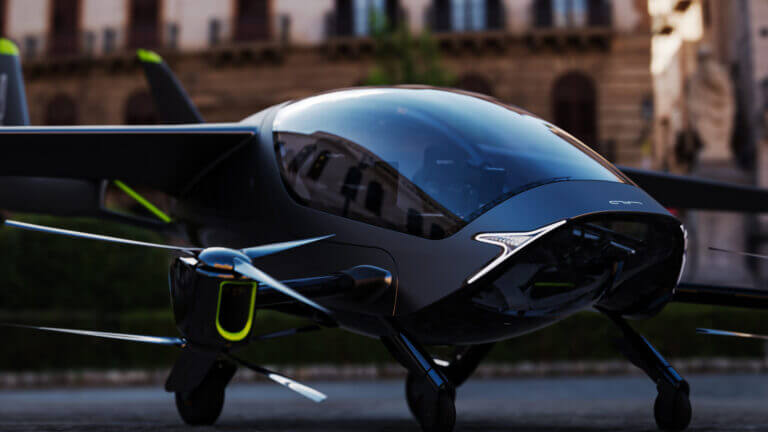
Now AIR, the company behind this latest and greatest way to commute to work, has unveiled the first full-scale prototype of its inaugural vehicle. The company took the wraps off its high-flying product at the Kentucky Derby.
Attendees were able to sit inside the aircraft and experience “virtual flight” using a simulator. The craft didn’t actually take off and fly, though.
Also at the Derby launch, AIR announced a new partnership with Aeroauto to establish a UAM (an “urban air mobility” vehicle) showroom and dealership in Florida.
A simulation of the AIR ONE in flight. Photo courtesy of AIR
“People have been dreaming of these incredible machines for decades,” notes Sean Borman, CEO of Aeroauto. “It is a great honor to [bring] an international manufacturer to North America as an AIR Brand Ambassador, while becoming their North American Flagship retailer for sales, service, and customer training center.”
Despite the excitement, the company still has plenty of work left to do. AIR is currently preparing to begin “hover testing” and is working with the FAA to formalize its application to operate flying cars in the US. Customer deliveries are still expected by 2024 – a couple of years wait but years ahead of the competition.
So far, AIR has completed a successful drop test and has finalized the first stage of the power and communication system integration on the craft. The company’s flagship eVTOL, the AIR ONE, has a number of unique features, including foldable wings and retracting landing gear that allow it to fit inside an average suburban garage.
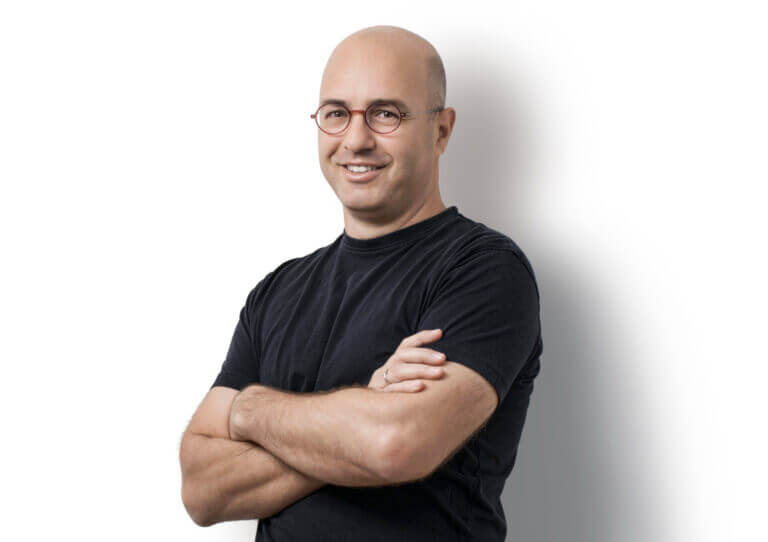
Rani Plaut, CEO of AIR. Photo courtesy of AIR
The AIR ONE is an electric battery-powered, fixed-wing, two-person craft propelled by eight vertical lift rotors. It has a range of 110 miles on a single charge at speeds up to 150 mph. It can carry a maximum payload of 440 pounds and charges up in less than an hour. The floor of this innovative eVTOL is partially made of glass – great for passing the time on the way to work.
AIR CEO Rani Plaut told ISRAEL21c last year that the company’s goal is “to make something as easy as a car with a practical range and a practical price. If we can do that, I think we can make a real difference.”
Other Israeli startups working on flying cars include Urban Aeronautics, Eviation, Pentaxi and Flytrex.
Electreon demonstrates a prototype stretch of road to Italian ministers, company executives; luxury car firm Maserati expresses interest in installing tech too
Israeli company Electreon, whose technology is integrated into roads that recharge the batteries of electric vehicles as they travel on them, is on track to design a lane for shuttles and service vehicles at Bergamo Airport northwest of Milan, Italy, the company said in a statement.
The project was clinched Friday at an event that officially launched a one-kilometer (0.62 miles) recharging circuit that Electreon has been testing in Brescia, northern Italy, since November 2020.
The launch was attended by Italian ministers along with senior executives from vehicle, infrastructure, and tech companies.
Bergamo Airport staff members are to test their vehicles out on the prototype road, called Arena of the Future, and if all goes to plan, the airport will move toward a commercial agreement with Electreon to create an electric lane on the airport’s tarmac.
According to an Electreon press release, the luxury car company Maserati also said it wanted to try its e-vehicles out at the Arena, with a view to acquiring the technology at its plants.
The prototype road was built following the October 2020 signing of a memorandum of understanding between Electreon and the Italian toll road infrastructure company Societa’ di Progetto Brebemi SpA. The goal of the MOU is to integrate Electreon’s wireless electric road system into infrastructure projects in Italy.
Cutting the ribbon to officially open the Arena of the Future, a demonstration electric charging road created in Brescia, northern Italy, by Israeli start-up Electreon. (Electreon)
At Friday’s event, Francesco Bettoni, head of the holding company that administers the A35 toll road, known as BreBeMi, set out the company’s vision for integrating Electreon’s technology into a stretch of road from Bergamo to Turin.
Solar fields are to be built along the road to power the system renewably.
“Europe has clearly stated its goals for the transition to sustainable transportation. We are ready for the commercial phase of the Arena of the Future technology,” Bettoni said.
He added, “I’m pleased to say that there’s great interest in the technology and we’re getting inquiries from many local authorities who are interested in integrating the technology into intercity roads.”
Aimed at reducing air pollution, the electric road does away with the need for recharging stations. According to Electreon’s website, a system of copper coils is laid beneath the asphalt to transfer energy from the electricity grid to the road and to manage communication with approaching vehicles. Receivers are installed on the floor of the vehicles to transmit the energy directly to the engine and the battery while the vehicles are on the go. Communication with all management units and all registered vehicles is via cloud technology.
The system allows for smaller batteries on electric buses, releasing more room for passengers, utilizes existing roads, and saves time because vehicles do not have to stop to charge or refuel.
An electric bus and an electric Fiat 500 try out the circuit at Arena of the Future, a demonstration electric charging road created in Brescia, northern Italy, by Israeli start-up Electreon. (Electreon)
During Friday’s event, an electric Fiat 500 car driving at 84 kilometers (52 miles) per hour around the track started with a battery that was charged 22 percent and finished with a charge of 48%.
An IVECO bus driving at up to 60 kilometers (37 miles) per hour also finished with an increased charge.
Electreon has numerous projects across Europe and in the US.
In Israel, it is partnering with the city of Tel Aviv-Jaffa and the Dan Bus Company in a large-scale commercial deployment of its wireless charging infrastructure to power electric buses.
Last year, Electreon was one of four Israeli firms named to TIME magazine’s annual list of “100 Best Inventions.”
Israeli smart mobility company Innoviz Technologies, announced on Monday that it has been selected by one of the world’s largest vehicle manufacturers to become its direct supplier of LiDar remote sensing solutions across several brands.
The company has not yet disclosed the name of the manufacturer but claims the partnership will increase Innoviz’s forward-looking book order by $4 billion to $6.6 billion.
Founded in 2016, Innoviz develops LiDAR remote-sensing solutions for fully autonomous vehicles. LiDAR is an acronym for “light detection and ranging” and it is used to calculate the ranges of various surroundings by targeting an object or a surface with a laser and measuring the time for the reflected light to return to the receiver. Innoviz’s flagship LiDAR system InnovizOne renders highly accurate real-time 3D images of the vehicle’s surroundings, providing enhanced perception capabilities that exceed that of human drivers.
“We are proud to deliver our outstanding InnovizTwo LiDAR and perception software as the direct supplier to support this new series production program,” said Innoviz CEO and co-founder Omer Keilaf. “Being selected by a large-scale multi-brand global vehicle maker is a significant catalyst for Innoviz and we expect this will affect the entire industry which has been waiting for a decision of this magnitude. We are expecting the scope of this deal to grow even further as additional car brands within the group adopt our platform. In addition, we anticipate more carmakers to follow this decision in their autonomous vehicle programs.”
Israel-born Johny Srouji, the senior vice president and arguably the most influential figure at Apple after the company’s CEO, lauds Israeli ingenuity as well as those working at the tech giant’s Haifa-based R&D center, where the company’s two state-of-the-art chips were developed
Two new Mac facilities, Apple Watch R&D, facial recognition, storage controllers. All these were created at Israel Apple’s R&D center which, next month, celebrates a decade of operations.
Johny Srouji, Apple vice president and the most senior Israeli executive in the global tech industry, tears away the center’s veil of secrecy, divulging how decisions are made at Apple and tells us about growing up in Haifa.
Apple vice president Johny Srouji (Photo: Apple)
The COVID pandemic has kept Srouji away from Israel for two and a half years – and he misses it. He misses his childhood home on Abbas Street near Wadi Nisnas in Haifa. He misses his extended family, one of the oldest in the city’s Christian Arab community. He misses the “amazing” Israeli food and the friends he’s made here over the years. He definitely misses the white, ultra-modern building on 12 Hamaskit Street in Herzliya, proudly displaying the famed Apple logo.
Srouji, 58, senior vice president of hardware technologies at Apple, is the world’s top Israeli tech executive and arguably the most influential figure at the company, second only to its CEO, Tim Cook. He holds a golden share in this building – the Israeli Apple R&D center. Steve Jobs himself, along with Tim Cook, decided to found the company’s first R&D center in Israel which had originally been proposed by Srouji and former Motorola executive Bob Mansfield, who had also worked extensively with Israelis.
Apple’s R&D center officially opened in March 2012, and next month it celebrates a decade of operations. “We employ the best of the best” says Srouji. “We’ve built a world class team and have made several acquisitions.
“What started with one employee – Aharon Aharon, Srouji’s lecturer at the Technion – Israel Institute of Technology who, after being appointed CEO, tasked Srouji with turning the concept into reality – is now a vibrant center employing a staff of 1,800, taking credit for some of Apple’s most outstanding recent innovations.
Due to Apple’s famous culture of compartmentalization and secrecy, the Herzliya center’s exact fields of activity have over the years remained undisclosed, deliberately dropping vague hints, such as “There’s something Israeli in every Apple device”.
The Israeli R&D center’s extraordinary achievements over the past two COVID-filled years, have earned Apple unprecedented profits, and have helped propel the center’s value to almost three trillion dollars. In this time, cracks have formed in Apple’s famed wall of secrecy.
After years of the company using very general terms in interviews, in his spacious office at the Apple Park (the “spaceship campus”) in Cupertino, California, Srouji now tells us why he calls himself a “very proud father” of the Israeli center and how his personal role models in Israel and growing up in Haifa in the 1980s have shaped his life.
The jewel in Apple’s crown over the last two years – taking even the experts by surprise – are three new, strong, ultra-fast M1 Mac processors. Based on the technology that runs Apple’s smartphone processors (ARM), both fell under Srouji’s sole responsibility and have replaced the old Intel processors, which were unceremoniously discarded.
Last October, Apple unveiled their flagship M1 max and the M1 pro processors, providing the world’s best performance for personal computers. It can now be revealed that the two chips, already in use in the most powerful Macs, were developed, behind a veil of secrecy, in Israel.
“These are two very complicated chips. The M1 max has 57 billion transistors. Both were developed in Israel,” says Sarouji. “Building the chip, assimilating it, its physical design, validation [testing the behavior of the chip] – was all conducted in Israel. And they’re really great.”
“By no coincidence, the Max and the Pro, were launched at the same time as our competitor, Intel’s new Alder Lake Core 12 processor, which was also developed in Israel. So, the crème de la crème of the world’s computer processors are made in Israel.”
Apple’s flagship M1 processor (Photo: Apple )
They were developed during COVID. How did you overcome limitations posed by the pandemic?
“It was very challenging. We were past the research and development stage, and we were waiting for a chip to arrive for the validation stage – a long and comprehensive series of tests. Then suddenly COVID hit. It created enormous problems as we need physical access to the laboratory with several engineers in the same room. Nonetheless, the teams in Israel and the United States didn’t miss a single development stage.
“Time differences between Israel and America mean that we were already used to working remotely. We developed creative tools for remote-working even for the laboratories. I’m very proud of the devotion and sacrifice made by engineers both in Israel and in the United States. I worked with them on the chips, both and remotely and in person. The collaboration was truly inspiring.”
(Photo: Shutterstock)
I’m guessing that the center in Israel is responsible for more innovations over the past decade.
“I can’t talk about everything, but let me give a few examples. Let’s start with what’s already been announced: Every storage controller in every Apple product comes from Israel. It started before we opened the R&D center with the acquisition of Anobit – our first Israeli company,” he says.
“People store their memories and pictures on iPhones and iPads, so we wanted to speed up the storage access, cut down energy use while securing the memories for life, so that people won’t be losing pictures. Anobit had a very skilled team, experienced building storage controllers based on Flash memory (SSD). They built our storage controllers. Nine months after the acquisition, they’d already made the first storage controller that went into a Mac, which we’ve adapted for iPhones, iPads and other devices.
“A few years later, in Israel we acquired a very small team to develop WIFI and Bluetooth capability for the Apple Watch. We then decided that the watch’s electronic brain, the SOC would be developed in Israel, so the team in Herzliya built that too.”
Former CEO, Aharon Aharon, explained that the Apple Watch development was kept secret to such an extent that when it was launched, it came as a surprise even within the company. Aharon served as CEO until 2017, when he left to assume the role of CEO of the Israel Innovation Authority (previously known as the Office of the Chief Scientist).
He learned the culture of secrecy the hard way: “At the beginning it was difficult to recruit. Apple would open up something in Israel, but wouldn’t say what it was. At first, even I didn’t know what was going on in Israel,” says Aharon.
Rony Fried has been running the center since 2017, doing his best to operate beneath the radar.
Apple Watch 5 (Photo: Apple)
According to Srouji, “In 2013, we acquisitioned PrimeSense, specializing in camera depth sensors, the technology facilitating unlocking the iPhone using facial recognition (Face ID). Our developers are presently working on sophisticated machine learning and imaging solutions.”
“The core technology for Lidar (sensor determining ranges using laser reflection), which we integrated into iPhones and iPads is also from Israel. Cinematic Mode, focusing video, first used in the iPhone 13, is based on part of the same technology.”
Let’s get back to founding the center. Both you and Bob Mansfield were familiar with the Israeli mentality. Weren’t you concerned with the “It’ll be OK… ” mindset which is so different from the Apple DNA?
Srouji laughs… “I’m Israeli. I was born in Haifa. I’m very much aware of all of this. We had a number of reasons for thinking of Israel.”
“Firstly, Israel really is Start Up Nation. There are lots of ideas and creative innovations here. It’s heavily ingrained into the culture, industry and good universities. If you’re looking for a high concentration of talent and great engineers – this is the place to find them,” he says.
“Secondly, when we look for dedication, commitment and loyalty to the employer, Israel does very well.
“We’d created a base in Israel and then we started building on that, one step at a time. We gradually took on more assignments and, despite various obstacles, the teams executed them all.”
Former Apple CEO Aharon Aharon (Photo; PR)
Aharon adds that “It wasn’t easy. Altering habits took some time. It took six months to integrate Anobit which came from the Israeli Start-Up culture… At Apple, everything is planned and focused.”
Srouji has been in the United States for twenty years – with a two-year break – fourteen of those years with Apple. He’s married to Radha from Fassuta, a Christian Arab town in the Galilee, and the couple have three adult children. The family lives in the neighborhood of Almaden, near the Apple Park in Cupertino, California.
With his brother, he attended the École des Sœurs de Nazareth High School, a leading private school near his home in Haifa. Although there was no computer in his home on Abbas Street in the 1980s, Srouji completed both undergraduate and masters programs at the Technion with distinction.
He worked at the IBM plant in Haifa for three years before joining Intel in 1992. A 2015 profile article in Calcalist, quoted a former Intel colleague: “After only a week, we were enchanted by him. He’s an unusually modest, quiet, hardworking polite man, but also the type who’ll, with a big smile on his face, get up to help out. He was the perfect teammate, never acting superior, although he was clearly more talented that the rest of us.”
In 1999 Srouji relocated to Austin, Texas to work at the city’s Intel plant where he spent three years. In 2005, he returned to the United States to work at IBM. He joined Apple in 2008 shortly following the launch of the first iPhone. Jobs soon made the decision that would boost Srouji’s career: After 15 years of using Intel’s microchips in their devices, Apple would start developing their own.
The Apple A10 Fusion 64-bit chip (Photo: Apple)
Could you give me some idea of the extent of this project?
“It was a very important strategic decision. It usually takes three to four years to produce a microchip, bringing it from conception to the marketing stage. Microchip design is unforgiving. You’re not targeting what the market presently needs, but rather what will be happening years from now,” he says.
“In 2010, we decided in principle that for our software, we needed our own hardware, including our own chips. This is very much what Apple is about and we want to keep it that way. We want the best performance we can get, not to match our competitors but rather to achieve more.
“We understood that Apple could create the best processors, graphics, digital imaging processing for cameras, video simulation for video encoding as well as the best security – all on one chip. Launching the first independent iPhone chip in 2010, we felt we had a strong foundation. Eventually, we thought it was time we develop our own for chip for the Mac.”
From 2011, Srouji headed developing the processors for the first iPhone and iPad. In 2017, Apple revealed that that his annual salary had reached $24 million, second only to Angela Ahrendts, the company’s senior vice president of retail, and double that of Cook. In case you were concerned, Cook’s annual salary last year was $100 million.
In 2016, Bloomberg magazine ran a cover page article titled, “The most important Apple executive you’ve never heard of,” claiming that he saved the company in 2015 by managing to develop the processor for the iPad Pro six months ahead of schedule.
Various versions of Apple’s iPhone (Photo: Apple)
About schedules – the iPhone 12 was launched a month late due to supply problems resulting from COVID. The iPhone 13 was launched on time. How do you overcome supply chain problems and a global microchip shortage?
“We work with our own microchip manufacturers, such as TSMC in Taiwan producing 5 nanometer chips. We have a world class technology team working with them. Development, including verification, validation and mass production is all planned years ahead. Nothing’s left to the last minute,” he says.
“Despite supply shortages and the slight delay of the iPhone 12 launch, 2021 was one of Apple’s best years, with a revenue of $123 billion, with Apple shares increasing in value by 1,200% over the last decade.”
You mention the best engineers in Israel and the United States, but engineers are in short supply both in these countries and in Europe. How do you overcome this?
“This is true. We work tirelessly on this front,” he says.
“Firstly, both in Israel and America, we approach colleges and universities, helping them build study programs or supplying guest lecturers. We sometimes even provide them with our own engineers to teach certain lessons. We want students to be enthusiastic about the challenges of developing microchips. I think it’s the most exciting kind of work there is, but I’m biased.
“Secondly, there sometimes aren’t enough computer science or electrical engineering university graduates, but there are graduates in related fields such as physics and mathematics, so we train them, so that within a couple of years, they can become engineers at Apple,” he adds.
“Thirdly, Apple values include diversity and equal opportunities. In Israel, we’re training Ultra-Orthodox women and Arab engineers, encouraging them to integrate into the tech sector.”
iPad Air (Photo: Apple)
Are you happy with the number of Israeli Arab joining Apple in Israel?
“I’m always aiming for more, but looking at the numbers, it’s good. We can definitely strive to do better, but I think we’re working correctly. It’s very much part of what Apple is about – we want good, diverse talent.”
Don’t you feel you’re a bit late in virtual worlds such as Metaverse? Is Apple planning anything in virtual reality (VR) or augmented reality (AR)?
“I can only say that we very feel that virtual and augmented reality are exciting and very important. Over a billion Apple devices on the market are ready for AR.”
What about the iPhone battery that hardly lasts the day?
“This is very complicated. When you design a battery, you want it to have the optimum energy within a given size, what we call ‘volumetric energy density.’ It also needs to last as long as possible, be secure and provide constant power supply,” he says.
“We need to think about the device and its electronics. The more energy it saves, the longer it lasts. How the energy is supplied from the battery to the phone, also matters. I have a team of great chemists addressing this issue.”
You can’t argue with success. Apple’s sales have never been better. Users, however, are saying that although the products are good, it’s “more of the same,” and that the magic from the Steve Jobs days has long gone, that it’s not exciting anymore.
Apple AirPods Pro (Photo: Shutterstock)
“I hope you’ll like our products. I believe we are creating that magic in every device we make. Let me give a few examples: Firstly – the AirPods, with their amazing sound quality and background noise cancellation.
“Secondly – the Apple Watch – just look at where we started and where we are now. Not only is it a wonderful watch, it’s also a great health device, measuring heart beats and ECG. It can be can used as a telephone and for making payments. We improve this device every year. I think that’s magic.
“Thirdly, what we’ve done with the M1 processor is magic. When we get this level of horsepower on a laptop or even a PC with great battery life, that’s magic. We’re also working on future technology and products. We really want to carry on surprising people, enrich their lives and make them happy.”
In February 2015, three years after opening the R&D center in Herzliya, the Apple CEO visited Israel. Srouji accompanied him, always trying to keep a low profile even when visiting then-President Reuven Rivlin, who exclaimed: “We are very proud of the Israeli that is one of the major figures in your company… we need five or six more Johnnies.” Cook responded: “If you find them, let me know where they all are.”
Tim Cook, Apple CEO (Photo: AP)
Do you think growing up in Israel has helped you in your career?
“I truly believe that the values we grow up with, that we bring to our adult lives along with the people from whom we learn, definitely affect our lives and careers. I was born in Haifa – a beautiful city with the Carmel and the beaches. Its real beauty, however, is its tolerance and human diversity. The city is home to a broad range of ethnic and religious groups, living in an unusual harmony. Growing up in this kind of environment, is part of who you are.
“I was also very lucky to be born in a city offering such good education. I went to an excellent school and then to the Technion. Again, I’m biased, but I think the Technion is a world class academic institution when it comes to engineering,” he says.
“In Israel I learnt a lot, especially how to think and approach difficult problems. Learning is important, but learning without in-depth thinking won’t take you far in life. You need both – how to think about and deal with things that you haven’t encountered before.
“What you learn from people you grow up with is also important. I had a lot of role models, both in Israel and America, but let’s stick to the role models in Israel: As a child, my first role model was my headmistress, an Irish nun. She was strict and meticulous, earning the respect of both pupils and staff. She’d enter a chaotic, noisy classroom, and suddenly the class would go quiet. This was simply out of our respect for her.
“My father, an artisan carpenter, who made foundry molds for metal casting, served as a further role model. He’d make large wooden molds into which molten liquid metal would be poured to make steel parts for the defense industry.
“He was the best in his profession and there were very few like him. The interesting part is that he charged less than he should, even when he challenged with particularly difficult, almost impossible tasks because he just wanted to do it. From him, I learnt about dedication and creativity,” he adds.
“In the 1980s, the Technion provided me with a further role model: I had a teacher, who was a Unix operating system genius. After hours, he headed his own independent data center at the Technion. His class was the hardest, so I challenged myself to do well in this class. I wanted to be like him. From him, I learnt about technical depth and how to truly devote yourself to something.
“My final role model is one of my first bosses. He understood people and could ‘read’ them after a single handshake. He was a great teambuilder and recruiter who knew how to push engineers to work their hardest. He was also an inspiring figure, a person you wanted to follow. From him, I learnt to surround myself with clever people and how to inspire and motivate others to do things they don’t think they can do.”
After twenty years in the United States, do you miss Israel?
“Naturally. I have lots of friends in Israel, and of course, my family. I wish I could come to Israel more often. COVID has meant that I travel less. And I obviously miss the food.”
From Nikola Tesla to Alexander Graham Bell and George Washington Carver, some of our favorite historical figures are inventors. The love of invention also bleeds into our stories, resulting in characters like Doc Brown, Wayne Szalinski, and Tony Stark. Inventors participate in and build upon scientific advances, putting new knowledge to practical use.
While some inventions don’t stand the test of time, leaving only a blip on our everyday lives, even if they remain in our hearts and minds — we’re looking at you Segway — others radically change the way we live and interact with the world.
Whether or not any particular recent invention is destined to be a flash in the pan or become a long-lasting part of our society remains to be seen. What we do know is that new inventions are making their way into our hands all of the time, and we want you to know about them. Here are the twelve coolest inventions to emerge from the minds of engineers and scientists in April 2022.
Coral reefs are a critical part of ocean ecosystems and they’re suffering from the effects of human activities including global climate change. Reefs account for only 1% of the Earth’s total surface but they sustain the highest level of marine diversity in the world (via How Stuff Works). If our reef systems fail, it will have a staggering impact not just on ocean ecosystems, but also on people all over the world who depend on them.
Consequently, conservationists are hard at work coming up with new and improved ways to sustain and restore remaining reef systems. A new paper published in the journal Science of the Total Environment reveals how conservationists are using 3D printers to construct customized artificial reefs.
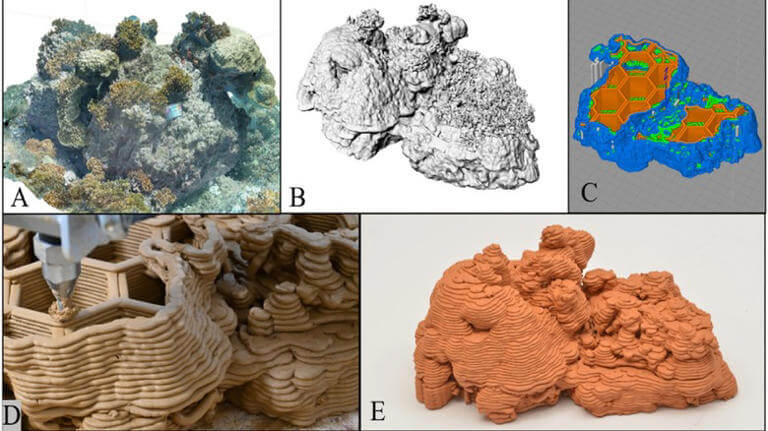
As explained in the paper, the process begins with scanning the existing reef to identify its core characteristics and replicate them as closely as possible. Then, using a custom printer built in partnership with the Technion Institute of Technology, the reef is laid out.
Instead of the plastic filament commonly used in commercial 3D printers, the reef printer uses terracotta clay because it is porous and favored by coralline algae. Moreover, the printed reefs can be made modular and stacked, such that vast portions of coral reefs could be rebuilt while maintaining the structural variety seen in nature.
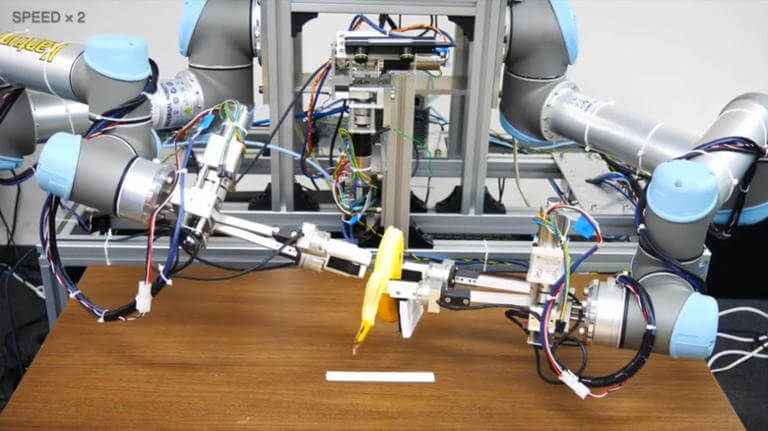
Robots are pretty good at discrete, repeatable tasks. That’s why we use them in factory settings where they’re only usually only called upon to the do the one thing they were specifically made for. More complex tasks, however, are typically reserved for humans. At least that was the case before engineers from the Intelligent Systems and Informatics Laboratory at the University of Tokyo built their new banana-peeling robot.
Peeling a banana is such a simple task that even a monkey could — and often does — do it. For robots, peeling a banana is a shockingly difficult task. We’re not asking them to punch parts from sheets of metal or move solid objects from one place to another. Peeling a banana requires finesse.
Peeling a banana also requires spatial awareness. Unlike the parts of a car, for instance, bananas come in all different sizes and shapes. That means the robot can’t simply repeat the same set of motions over and over. Instead, it has to know where the banana is, what part it needs to grasp, and how to move its robotic hands.
Scientists used AI deep learning to mimic the movements of human hands completing the same task. Even with the leading edge of machine learning, it’s still only successful a little more than half the time. In fairness to the robot, we’ve messed up simpler tasks.
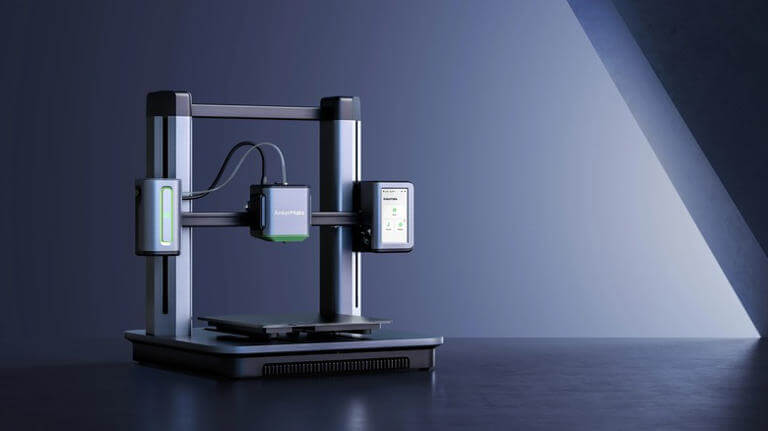
A cursory look at Anker’s website will reveal that the brand’s primarily focused on charging solutions from wireless chargers to portable charging blocks. Now, Anker is moving into a new area of engineering with the announcement of its first 3D printer, the AnkerMake M5.
3D printers aren’t exactly breaking news, but the AnkerMake comes with a slate of impressive features poised to make the device a player among existing printers. If you’ve ever started a big print and then walked away, you’ve probably experienced the dismay of checking on your print only to find that it’s come loose from the build plate or lost its sync and now you’re spitting filament all over the place. Not only have you wasted time, but you’ve also burned into your wallet, melting filament into an impressively recreated synthetic tumbleweed.
Anker aims to get around this problem with an AI-enabled camera that keeps an eye on your prints, so you don’t have to. Using a companion app, you can check in on your print at any time, or it will send you an alert if something goes wrong.
According to the Kickstarter campaign, this printer is also at least five times faster than competitors, pumping out large prints in a fraction of the time. If you’ve been waiting to get a printer until they became easier to use, this might be the moment.
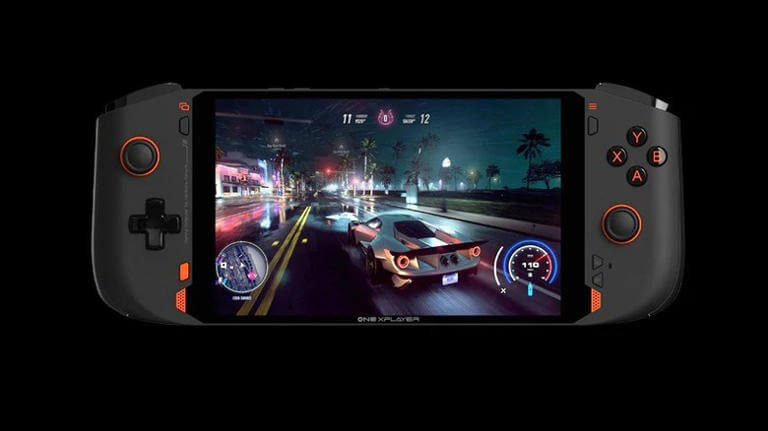
Handheld gaming is undergoing something of a revival with the popularity of the Nintendo Switch, Analogue Pocket, and similar retro gaming devices. The biggest limitation of those systems is the quality and selection of games you’re able to play. That’s where the OneXPlayer Mini comes in. It takes the power of a gaming computer and puts it in the palm of your hand.
Building on the popularity of the Steam Deck, OneXPlayer is hoping to capture consumers who are currently waiting for Steam Deck to become available again. The major downside is price — the OneXPlayer can be twice the cost of a Steam Deck, depending on which version you choose.
In exchange for that extra cost, you’ll get your hands on a pretty impressive gaming computer jammed into a handheld shell. It comes standard with Windows pre-installed and is essentially a shrunken gaming laptop.
If you don’t have the patience to wait for the Steam Deck to re-emerge or if you just prefer Windows over Linus, and you have the disposable income, the OneXPlayer Mini could be the solution to your handheld PC gaming needs.
From watches and phones to household appliances, everything is getting smarter. Now, thanks to Apple, that’s also true of your water bottle.
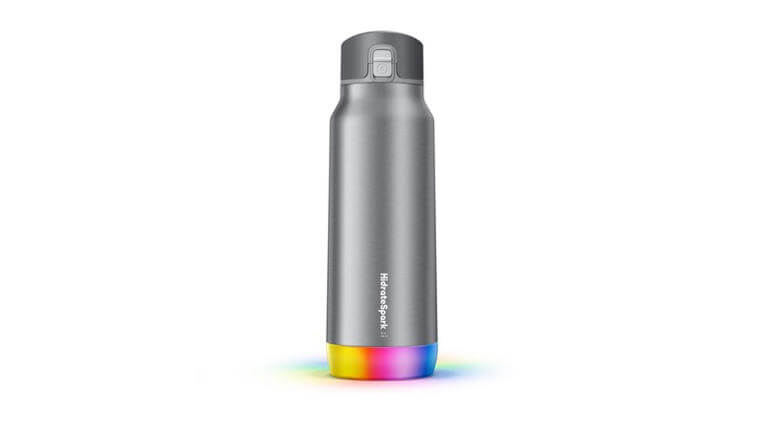
The HidrateSpark Pro Smart Water Bottle — a mouthful, we know — takes all the guesswork out of tracking your water intake. The vacuum-insulated exterior should keep your liquids cold for up to a full day and it has a host of other neat features.
Apple’s smart water bottle integrates with your Apple Watch and Apple Health. It takes into account your daily steps and exercise to calculate how much water you need (per Apple). The LED puck at the bottom of the bottle lights up to remind you when it’s time for a drink and tracks how many ounces or millimeters of water you drink throughout the day, using BlueTooth. You can also get a slightly less expensive version, without the insulation, in the form of the HidrateSpark Pro Tritan Plastic Sea Glass.
If you’ve ever wanted a fancy way to micromanage your basic survival tasks, the HidrateSpark Pro Water Bottle can’t be beat.
Cleanup efforts following the Chernobyl power plant disaster famously utilized lunar rovers like the Lunokhod 1 (per National Space Centre), and other robots, to navigate the irradiated terrain, with variable success. Lunar rovers were chosen specifically because they are designed to withstand the radiation present on the lunar surface, as a result of having no atmosphere.
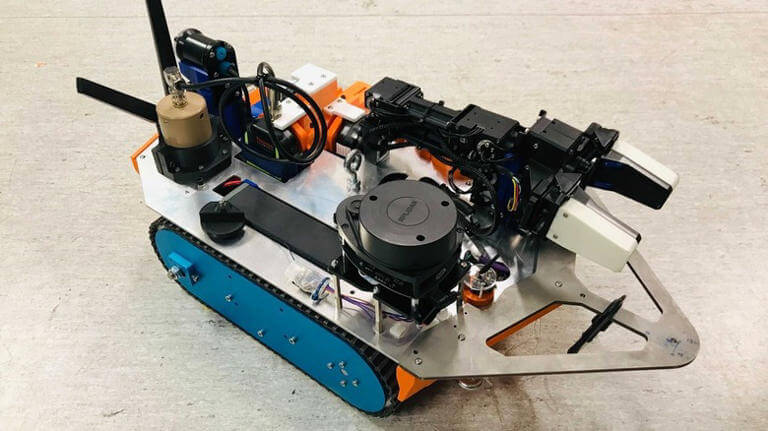
Now, a new nuclear inspection robot called Lyra is getting in on the action. As explained by Tech Xplore, Lyra was sent through 140 meters of ductwork in Dounreay’s nuclear facilities in Scotland. Lyra is equipped with five radiation detectors, two cameras, lights, a robotic arm, and a LiDAR system for mapping, (per Technology).
The full suite of instruments allowed Lyra to create a 3D video map of the explored area. Using the radiation sensors, the video Lyra returned included readings of radiation hotspots overlayed on top of the images.
Robots like Lyra could allow for more detailed mapping of radiation risks, reducing the need for humans to become exposed as we deal with nuclear incidents like those at Chernobyl or Fukushima, in addition to its role at Dounreay.
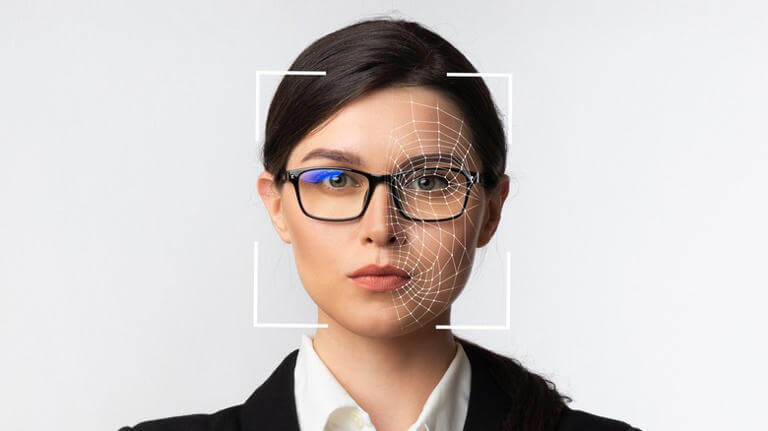
Facial recognition software isn’t new, but it is gaining new abilities. You likely have some version of it on your phone right now. We count on those programs to recognize us and grant access to our technology when we need it. We also count on them not to judge us for our appearance, even on our worst days. In the future, however, all of that could change because of a new advancement in facial recognition.
Researchers taught an AI not only to recognize facial features, but to make snap judgements about a person’s appearance. While being judged by a machine might hurt, it has important implications about the ways humans judge one another.
According to a research paper published in the Proceedings of the National Academy of Sciences, the first impressions we form upon meeting a new person influence decisions we make about them, including decisions about hiring and sentencing.
Researchers used machine learning to train an algorithm to make judgements based on photographs of faces which closely mirrored the judgements we make about ourselves and others. It’s unclear what factors the algorithm used to make its judgments, (per Tech Xplore), but scientists think the data can still teach us how our appearance impacts the way we engage with the world.
If an AI judging you isn’t unsettling enough, it could also be put to nefarious use, by modifying or curating pictures such that a person could present a particular visage to the world.
As interactions between humans and robots become more common, it will become increasingly important that robots have a better sense of the environment around them. The last thing we want is a robot harming someone or breaking something because they don’t know their own strength.
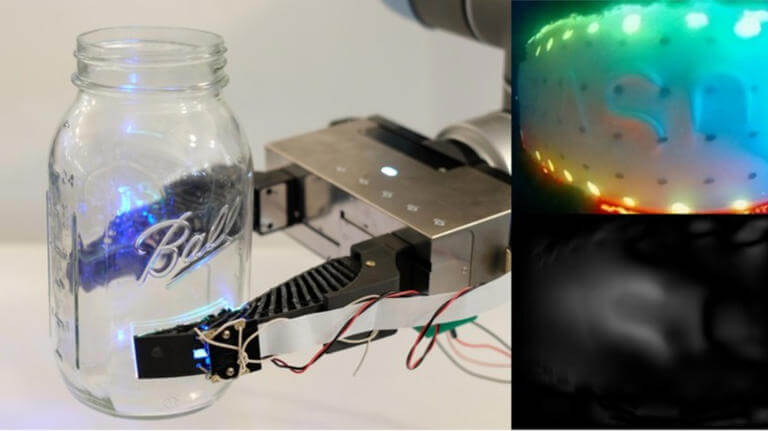
Scientists and engineers from MIT developed a new robotic system that uses Fin Ray grippers imbued with a sense of touch. As explained in a paper uploaded to Arxiv, Fin Ray grippers — which are modeled after fish fins — are useful for their ability to conform to the surface of an object. Rather than bend away from a surface, they curl inward to wrap around it.
Scientists achieved a sense of touch through an array of cameras embedded inside the grippers that watch for the way the fingers deform when in contact with a grasped object. By acutely measuring the way the gripper’s shape changes, they can determine what it’s holding in fine detail.
In tests, they were able to determine the letters on the surface of a glass jar as well as individual seeds ono a plastic strawberry. Incorporating this level of feedback could improve the performance of robots in situations when they are interfacing with people, making them safer and more effective.
While steam-powered jetpacks and skies filled with airships never manifested, at least in any lasting way, we are still living in a steam-powered world. Most of the world’s energy is generated using steam. Whether you’re burning fossil fuels like coal or transforming nuclear radiation into electricity, it all takes a translational step through steam. The heat generated from those sources is used to boil water, generating steam which turns a turbine. That mechanical energy is ultimately what ends up flowing through the wires in your house. Now, thanks to a new heat engine from engineers at MIT, the age of steampunk may be over at last.
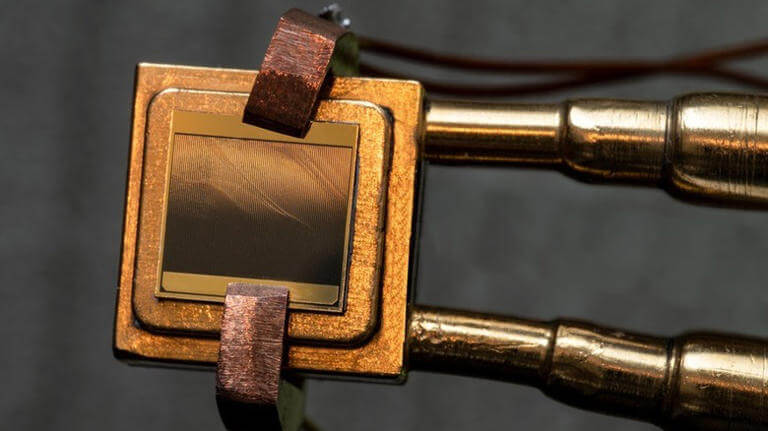
The new engine works using thermophotovoltaic (TPV) cells, which is really just a fancy way of saying it converts photons from heat directly into electricity. Moreover, it has no moving parts, which means it requires less maintenance than conventional turbines, (per Freethink).
While TPV engines have existed for some time, what makes this one special is its efficiency. It converts heat to electricity with 40% efficiency, making it more efficient than steam turbines which typically run at about 35%, (per MIT). According to researchers at MIT, this technology could lead to a decarbonized grid in the future.
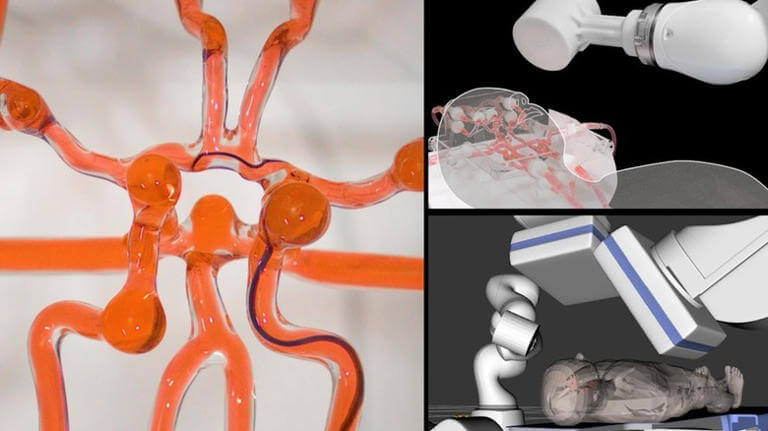
Endovascular operations for treating stroke or aneurysms require specialized training in which it takes years to become proficient (per EurkaAlert!). Consequently, only a small portion of doctors are able to complete them and they tend to be located at large medical centers in urban areas, (per MIT).
When a patient is experiencing a stroke or aneurysm, there is a “golden hour” during which they can be treated without lasting consequences. That’s all fine and good if you happen to be located within a few minutes of a major medical center, but for patients in outlying areas without access to specially trained surgeons, that could mean the difference between recovering or not.
With that in mind, engineers at MIT have developed a telerobotic surgical system using a modified joystick that surgeons can use to perform operations remotely. According to a paper published in the journal Science Robotics, the system uses a flexible magnetized guidewire to navigate through blood vessels and reach the location of a clot to retrieve it or break it up.
If these systems were set up at hospitals around the country and the world, they could be operated remotely by trained surgeons in other cities, reducing the response time as well as rates of fatality and long-term disability.
Paper is generally seen as a greener material than plastic, largely because plastic is seen as artificial while paper feels more natural. Certainly, paper is more easily recycled but it comes with its own environmental costs which include cutting down trees, processing, and transportation, (via BBC).
Reducing our use of plastics is one way to minimize our impact on the environment, but we also need better ways to reduce paper usage and reuse it when possible. Reusing paper can be difficult, particularly if you’ve already written or printed something on it. There’s little you can do aside from fold it into a paper airplane or chuck it in the recycling bin. Now, according to a paper published in the journal Advanced Materials, reusing your paper might get a lot easier.
Scientists from the Nanyang Technological University in Singapore have developed a new class of paper made from pollen instead of wood pulp. Pollen may be a greener material in and of itself, because it’s already produced en masse, (via Science Daily), but this paper can also be readily used again.
Researchers put their pollen paper through a process that makes it non-allergenic and then printed on it using a standard laser printer. Treating it with an alkaline solution removed all of the printed material without damaging the paper, allowing it to be used again. In tests, they were able to reuse their paper at least eight times, making it the ultimate in recyclable paper.
There’s nothing better than virtual reality for total immersion, but it’s still lacking a tactile element that would really help the technology level up. According to a recent paper, researchers at the University of Chicago have developed a virtual and augmented reality system which moves the user’s body for them, at least some of the time.
Pads positioned on the neck muscles use electrical muscle stimulation to take control of a player’s body and move it. In a fire safety demonstration, the technology was used to guide a player’s eye-line toward the location of a fire extinguisher or live fire. Additional demonstrations moved a player’s head in response to a punch from a virtual boxing opponent.
Importantly, the system senses what the user is doing in real-time and only initiates an involuntary movement when the muscles aren’t otherwise activated. So, there’s no risk of injury as a result of a triggered motion, even if you’re being punched in VR.
Researchers believe this could change the way VR and AR experiences are developed by removing the need to add visual cues guiding a player.
In September 2020, Israel, the U.S., the United Arab Emirates, and Bahrain signed the Abraham Accords, normalising relations between Israel and the two Arab nations.
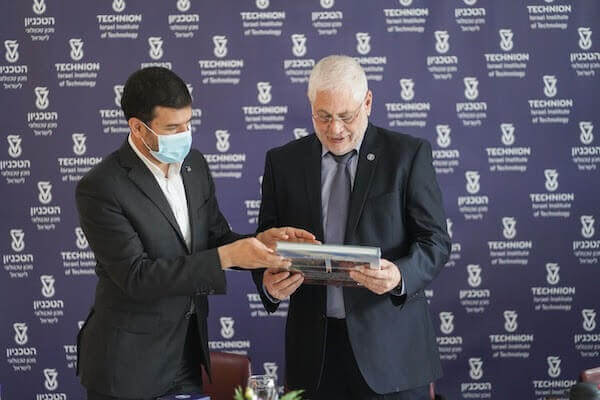
President of Mohammed VI University in Morocco, Hicham El Habti, presents a gift to Technion President Prof. Uri Sivan.
Morocco and Sudan followed suit three months later. Now, the Technion has signed an agreement of academic cooperation with Morocco’s Mohammed VI Polytechnic University (UM6P), “reflecting a rapid and dramatic historical change in the region,” said Technion President Uri Sivan.
Speaking at a ceremony on the Technion campus in April attended by UM6P President Hicham El Habti and delegations from each university, President Sivan said: “Since the Abraham Accords, we have received delegations from the UAE and Bahrain, countries that none of us ever imagined would come to visit. Both of our institutions – the Technion and UM6P – educate young people and equip them for the future. The cooperation we are establishing here today goes beyond its academic value; it is our duty to the region and the future of the next generation.”
UM6P President El Habti, who studied applied mathematics, economics, and engineering in France, told his Israeli counterparts: “We are part of an historic era, and we must continue to strengthen ties between Morocco and Israel. As a very young university, we are open to international cooperation and are delighted to establish this relationship with you.”
The two presidents exchanged gifts: President El Habti gave President Sivan a book on the history of Moroccan Jewry, while President Sivan offered President El Habti a glass engraved with the Technion’s insignia. The delegations then visited the David and Janet Polak Visitors Center and the Electron Microscopy Center. Members of the Moroccan delegation also met with individual Technion faculty to discuss research in water engineering, energy, biotechnology, medical engineering, entrepreneurship, and artificial intelligence.
UM6P focuses on applied research and innovation with an emphasis on African development. Established in 2013, it hosts the most powerful supercomputer in Africa, and has expanded rapidly to become a leading research institution for collaborations between Africa and Europe. It has international partnerships include with, among others, the Massachusetts Institute of Technology (MIT), Columbia Business School, the Max Planck Society, the École Polytechnique Fédérale de Lausanne, and McGill University. UM6P prioritizes research and innovation relevant to Morocco and Africa, such as industrialization, food security, sustainable development, mining, and social sciences — many of which are top-priorities in the Technion’s curriculum.