
Technion researchers find protein-disposal system in brain cells may actually spread toxic proteins linked to Alzheimer’s; instead of destroying them, cells sometimes expel them to neighbouring tissues, potentially accelerating disease progression in brain
In a surprising discovery, researchers at the Technion–Israel Institute of Technology have found that a cellular system tasked with disposing of toxic proteins—crucial in preventing Alzheimer’s disease—may actually be helping the disease spread across the brain.
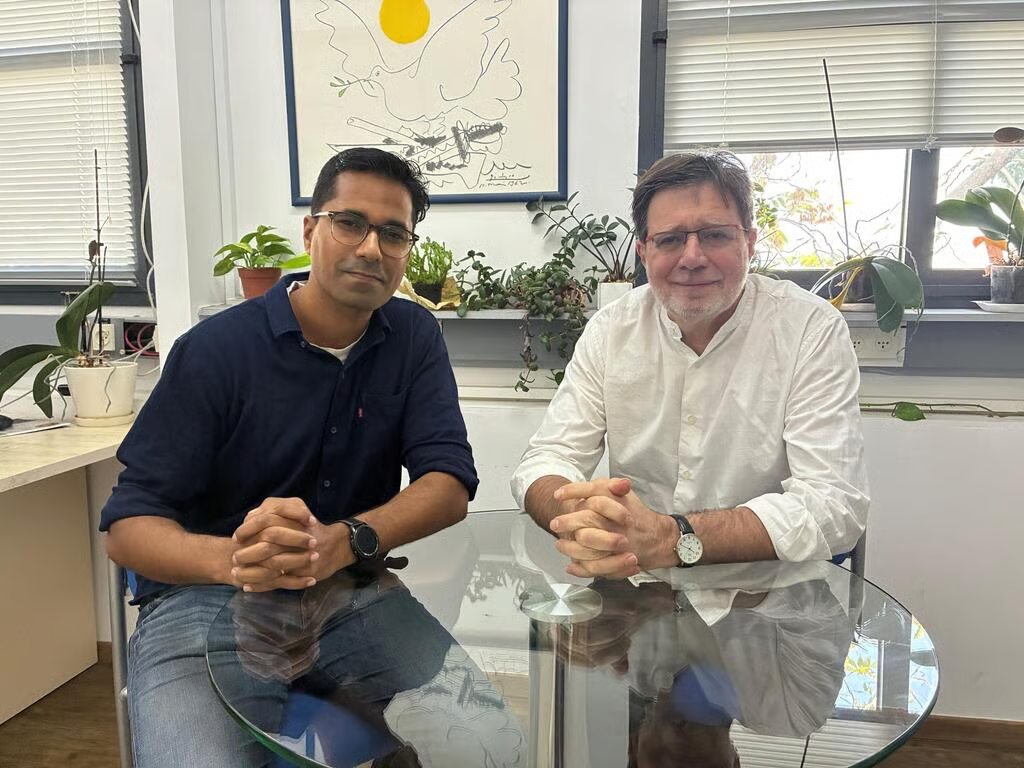
The study, led by Professor Michael Glickman, dean of the Technion’s Faculty of Biology, and postdoctoral researcher Dr. Ajay Wagh, reveals that, instead of breaking down defective proteins inside the cell, neurons may be pushing this “trash” into surrounding brain tissue. Their findings were published recently in the journal Proceedings of the National Academy of Sciences (PNAS).
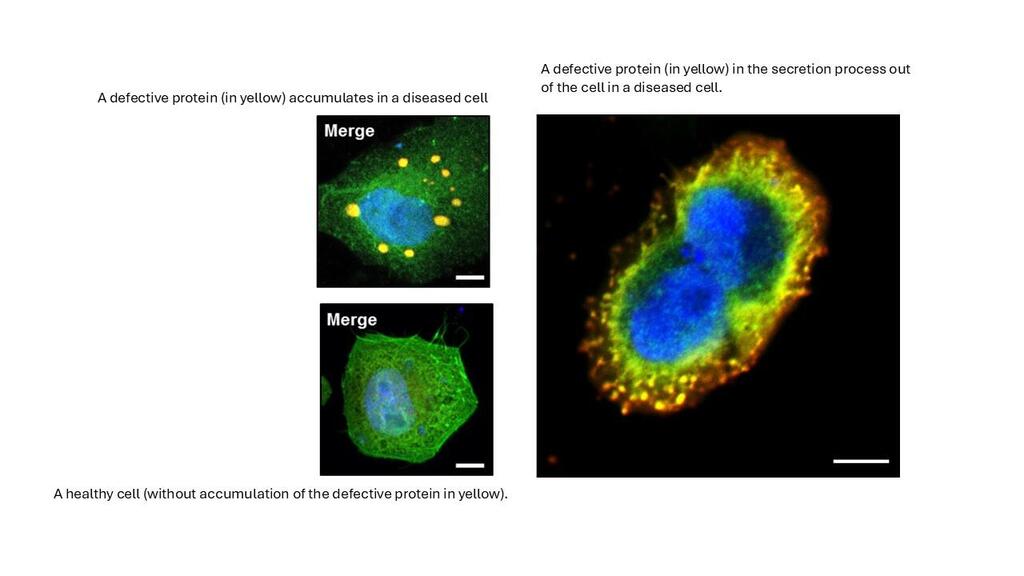
At the heart of the discovery is a mutated version of the protein ubiquitin, called UBB+1. While healthy ubiquitin helps cells identify and eliminate damaged proteins, UBB+1 disrupts this process and leads to toxic buildup, which is one of the hallmarks of Alzheimer’s disease.
Normally, a cellular protein called p62 helps neutralise this threat by packaging UBB+1 into protective vesicles, keeping it from damaging the cell. The vesicles can then take one of two paths: they’re either sent to the cell’s internal recycling centre (the lysosome), or they’re expelled into the space between cells.
It’s the second option that poses a danger. According to the Technion team, once UBB+1 is released into the brain’s extracellular fluid, fragments of the toxic protein can leak out and be absorbed by neighbouring neurons—potentially accelerating the spread of Alzheimer’s throughout the brain.
“We all want someone to take out the trash,” Glickman said. “But in this case, the cells are dumping their trash on their neighbors. Although this solves an acute problem for the individual cell, it may cause long-term damage to the entire tissue.”
The discovery could pave the way for earlier diagnoses of Alzheimer’s, possibly through testing cerebrospinal fluid for markers of UBB+1. It may also open the door to personalised treatments targeting the faulty disposal pathway.
The research was funded by the Israel Science Foundation and the European Research Council.